Sewing enthusiasts often wonder about the versatility of their tools, particularly when it comes to materials like leather. Leather is a durable and aesthetically pleasing material that can elevate any sewing project, but it requires a specific approach to sewing. One common question arises: can a regular sewing machine sew leather? This article delves into the capabilities of standard sewing machines regarding leather work and provides insights, tips, and considerations for those looking to explore this craft.
Understanding Leather as a Material
Leather is a unique material that is both flexible and strong. It is derived from animal hides and is processed through tanning to enhance its durability and appearance. The characteristics of leather make it popular for various sewing projects, including clothing, bags, and accessories. Understanding the properties of leather is crucial for anyone looking to sew with it.
Characteristics of Leather
Leather is known for several key characteristics:
- Durability: Leather can withstand wear and tear, making it ideal for items that require longevity.
- Flexibility: Leather is flexible and can conform to various shapes, which is beneficial for tailored items.
- Unique Aesthetic: Each piece of leather has a unique texture and color, adding a personal touch to projects.
- Variety: There are various types of leather, each with distinct qualities suited for different projects.
Sewing Machine Requirements for Leather
While some regular sewing machines can handle leather, not all are created equal. Here are the requirements to consider when sewing leather:
Machine Type
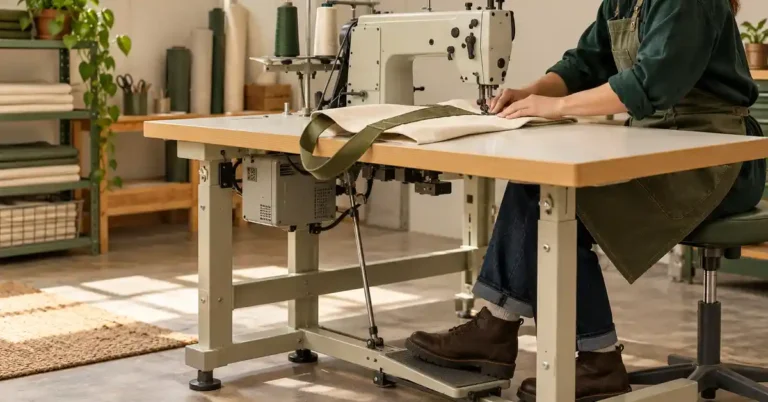
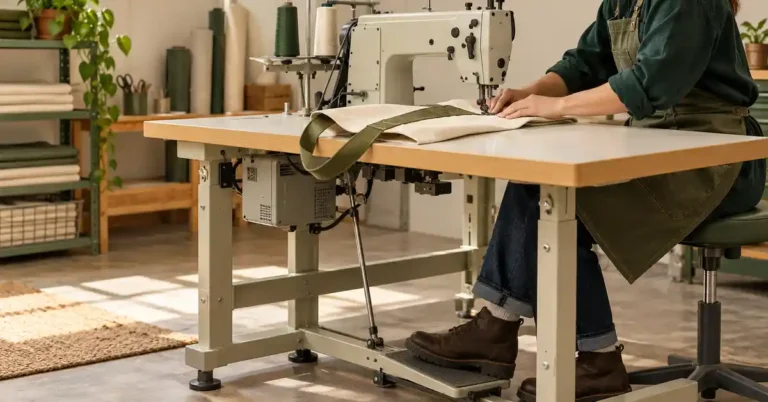
Heavy-duty sewing machines with a strong motor and robust components are often better suited for sewing leather. They can handle thicker materials without struggling.
Foot Type
Using a walking foot or a Teflon foot can significantly improve your sewing experience with leather. These feet help prevent the material from sticking and allow for smoother movement.
Stitch Options
Look for machines that offer a variety of stitch options. A straight stitch is commonly used for sewing leather, but having the option for zigzag and decorative stitches can enhance your project.
Types of Leather for Sewing
When it comes to sewing, not all leather is created equal. Here’s a brief overview of the most common types of leather you might encounter:
| Type of Leather | Description | Best Uses |
|---|---|---|
| Full Grain Leather | Highest quality leather, retains natural grain. | High-end bags, wallets, belts. |
| Top Grain Leather | Second highest quality, sanded and finished surface. | Clothing, bags, and furniture. |
| Genuine Leather | Lower quality, made from the layers beneath the top grain. | Economical products, low-end handbags. |
| Suede | Soft, napped leather made from the underside of the hide. | Clothing, accessories, and home decor. |
| Bonded Leather | Made from leather scraps bonded with polyurethane. | Inexpensive projects and crafts. |
Best Needles and Threads for Leather
Using the correct needle and thread is essential for successful leather sewing. Here’s what to consider:
Needle Types
Leather needles are specially designed to sew through thick materials. They have a wedge-shaped point that allows them to pierce leather without damaging it. Here are common needle types:
- Leather Needles: Ideal for most leather projects.
- Jeans Needles: Good for thicker leathers due to their strong construction.
- Universal Needles: Can be used for lighter leather, but may not be as effective for thicker materials.
Thread Types
When it comes to thread, polyester or nylon threads are recommended for leather projects due to their strength and durability. Here are some options:
- Polyester Thread: Strong and resistant to UV light, making it ideal for outdoor items.
- Nylon Thread: Known for its stretch and strength, suitable for high-stress areas.
- Waxed Thread: Often used in hand-stitched leather projects for added durability.
Techniques for Sewing Leather
Understanding the techniques involved in sewing leather is vital for achieving professional results. Here are some essential techniques:
Preparation
Before starting, prepare your leather by cutting it accurately and ensuring the edges are clean. Use a rotary cutter or a sharp pair of scissors for precise cuts.
Pinning and Clipping
Instead of pins, use clips to hold leather pieces together. Pins can leave holes and damage the material. Additionally, clips allow for a more even distribution of pressure when sewing.
Stitching
When stitching leather, use a longer stitch length (3-4 mm) to prevent perforation. A straight stitch is typically the most effective. For decorative elements, consider using a zigzag or decorative stitch if your machine allows.
Finishing Edges
Finishing the edges of leather can enhance its appearance and prevent fraying. Techniques include:
- Burnishing: Smooths edges with heat or friction.
- Edge Paint: Adds a polished look.
- Bias Tape: Covers raw edges for a neat finish.
Common Challenges When Sewing Leather
Sewing leather can be rewarding, but it also comes with challenges. Here are some common issues and how to overcome them:
Sticking and Slipping
Leather can stick to the sewing machine bed, making it difficult to sew. Using a Teflon foot can help mitigate this issue. Additionally, placing a piece of tissue paper under the leather while sewing can provide a smoother surface.
Needle Breakage
Using the wrong type of needle or applying too much pressure can lead to needle breakage. Always use a leather needle and ensure your machine is set correctly.
Puckering
Puckering can occur when the leather is not fed evenly through the machine. Using a walking foot can help maintain even tension on the material.
FAQ Section
A: Yes, many regular sewing machines can sew leather, but it’s crucial to use the appropriate needle, thread, and foot attachment to achieve the best results.
A: A leather needle is recommended as it has a wedge-shaped point that can penetrate the material without causing damage.
A: It’s best to use polyester or nylon thread, as they are strong and durable, making them suitable for leather sewing.
A: Techniques such as burnishing, edge painting, and using bias tape can help finish leather edges neatly and professionally.
In conclusion, while a regular sewing machine can sew leather, it is essential to understand the requirements and best practices involved. By selecting the right machine, needle, thread, and techniques, you can successfully create beautiful leather projects. Ready to dive into sewing? Don’t forget to check out Why I Love My Brother SE600 Embroidery Machine After 3 Months, or explore Finally Found the Best Left Handed Sewing Scissors! for more sewing tips. Happy sewing!