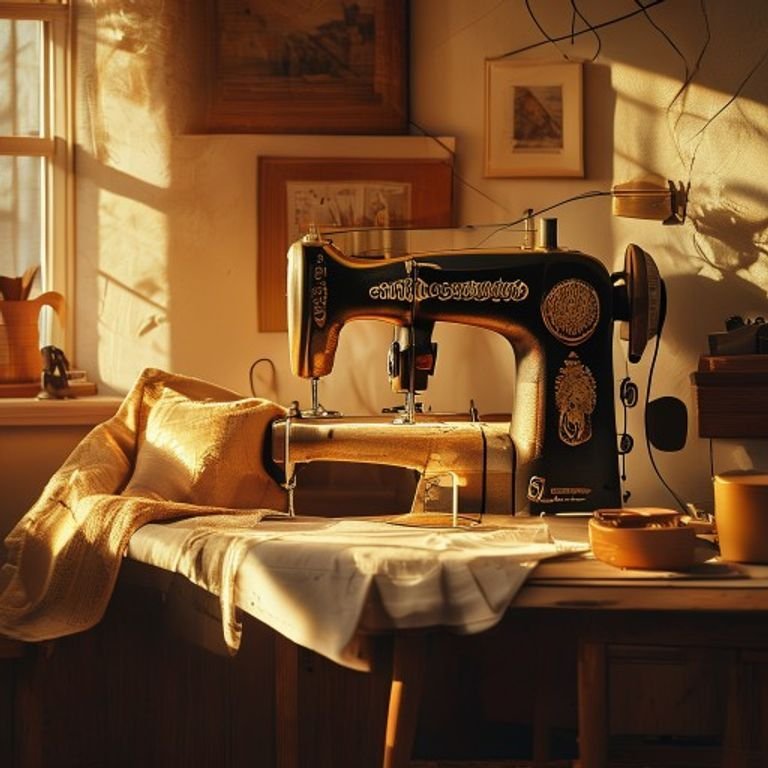

Quilting is a cherished craft that combines creativity and functionality, allowing crafters to produce beautiful and practical textile artworks. When considering the tools necessary for this endeavor, many aspiring quilters wonder, “Can I quilt with a regular sewing machine?” This question is crucial for those just venturing into the world of quilting, as it can determine the types of projects they can undertake and the techniques they can master. In this article, we’ll explore the capabilities of regular sewing machines for quilting, delve into tips and techniques to make the most of your machine, and help you decide if investing in a specialized quilting machine is right for you.
Table of Contents
- Understanding Quilting
- Regular Sewing Machine Capabilities
- Tips for Quilting with a Regular Machine
- Advanced Techniques for Quilting
- When to Upgrade to a Quilting Machine
- FAQ
Understanding Quilting
Quilting is the process of sewing together layers of fabric to create a padded material, often used for blankets, wall hangings, or clothing. The typical quilt consists of three layers: a top layer (the quilt top), a middle layer (batting), and a bottom layer (the backing). Quilting stitches hold these layers together and add decorative elements to the finished product. Understanding the fundamentals of quilting is essential for anyone interested in this craft.
Regular Sewing Machine Capabilities
Regular sewing machines are designed for a variety of sewing tasks, including garment construction, home decor projects, and general stitching. Many machines come equipped with features that can facilitate quilting, such as adjustable stitch lengths, a range of presser feet, and the ability to handle multiple layers of fabric. Here are some key features to look for:
| Feature | Description |
|---|---|
| Walking Foot | A walking foot helps feed multiple layers of fabric evenly, reducing puckering and shifting. |
| Free Motion Capability | Allows for free-motion quilting techniques, letting you move the fabric freely under the needle. |
| Adjustable Stitch Length | Customize stitch lengths for quilting, with longer stitches often preferred for decorative quilting. |
| Needle Position Adjustment | Some machines allow you to adjust the needle position for precise stitching along seams. |
Tips for Quilting with a Regular Machine
While it’s entirely possible to quilt with a regular sewing machine, having the right techniques and preparation can enhance your experience and results. Here are some practical tips:
1. Prepare Your Fabric
Before you start quilting, make sure your fabric is prepared correctly. Pre-washing fabric can prevent future shrinkage and color bleeding. Iron all layers to ensure they are flat and smooth.
2. Use the Right Needle
Choosing the correct needle is vital for successful quilting. A needle designed specifically for quilting, such as a quilting needle or a universal needle, can help prevent fabric damage and improve stitch quality.
3. Layering Your Quilt
Properly layering your quilt is critical. Start with the backing fabric, place the batting on top, and finally add the quilt top. Use safety pins or basting spray to hold the layers together temporarily while you quilt.
4. Take It Slow
When quilting with a regular sewing machine, take your time. Rushing can lead to mistakes and uneven stitches. Slow, steady movements help maintain control over the fabric.
5. Practice Free Motion Quilting
If your machine has free motion capabilities, practice on scrap fabric before starting on your quilt. Free motion quilting allows you to create unique designs, but it requires practice to master.
6. Use Quality Thread
Your choice of thread can greatly affect the quality of your quilting. Opt for high-quality cotton thread for durability and a professional finish. Avoid using cheap threads that may break or cause tension problems.
Advanced Techniques for Quilting
Once you’ve mastered the basics, you may want to explore advanced quilting techniques. Here are a few methods that can elevate your quilting projects:
1. Foundation Piecing
This technique involves sewing fabric pieces onto a foundation material, allowing for precise and intricate designs. It’s especially useful for complex patterns.
2. Applique
Applique is the art of sewing one piece of fabric onto another to create designs. This can add depth and texture to your quilts.
3. Trapunto
Trapunto is a technique that involves adding extra padding to certain areas of your quilt for a raised effect. This adds dimension and visual interest.
4. English Paper Piecing
This method uses paper templates to create precise shapes, often resulting in stunning designs. It’s a hand-sewing technique that can be done anywhere.
5. Whole Cloth Quilting
This style involves quilting a single piece of fabric rather than piecing together multiple fabrics. It focuses on the stitching patterns rather than the fabric itself.
When to Upgrade to a Quilting Machine
While many quilters start with regular sewing machines, there may come a time when upgrading to a dedicated quilting machine is beneficial. Here are some signs that it might be time to consider an upgrade:
1. Increased Project Complexity
If you find yourself quilting larger projects or more intricate designs regularly, a quilting machine can offer the features and space needed for these tasks.
2. Desire for More Features
Dedicated quilting machines often come with features like larger throat space, advanced stitch options, and specialized feet that can make quilting more enjoyable and efficient.
3. Frequent Quilting
If quilting becomes a regular part of your crafting routine, investing in a high-quality quilting machine can save time and enhance your results.
For those still exploring the world of embroidery, you may want to check out our article on Which Embroidery Machine Is Best for Home Use? Top Picks! for insights on how to choose the right machine.
FAQ
A: Yes, you can absolutely use a regular sewing machine for quilting! Many quilters start with a basic machine before upgrading to specialized ones.
A: Look for features like a walking foot, free motion capability, adjustable stitch length, and needle position adjustment.
A: Using a walking foot and basting the layers together can help minimize fabric shifting during quilting.
A: It depends on your quilting needs. If you find yourself quilting frequently or working on larger projects, a quilting machine may be beneficial.
In conclusion, while you can quilt with a regular sewing machine, understanding its capabilities and implementing effective techniques will significantly enhance your quilting experience. With patience and practice, you can create beautiful quilts that reflect your style and craftsmanship. Whether you choose to stick with your standard machine or eventually upgrade to a specialized quilting machine, the key is to enjoy the process and let your creativity shine.