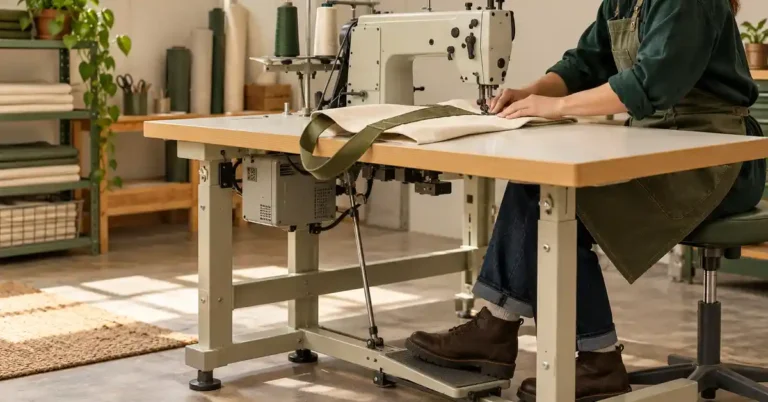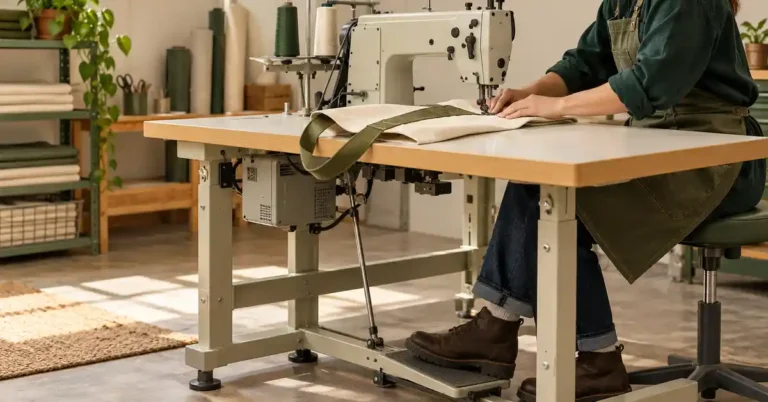
Many sewing enthusiasts wonder whether they can quilt on a regular sewing machine. This question often arises from the desire to create beautiful quilts without investing in a specialized quilting machine. In this article, we will explore the possibilities of quilting on a standard sewing machine, the techniques you can use, and tips to make your quilting experience enjoyable and successful.
Can You Quilt on a Regular Sewing Machine?
Quilting is often regarded as a specialized craft requiring specific machines designed for the task. However, many quilters successfully use regular sewing machines to create beautiful quilts. The key is understanding the limitations and capabilities of your machine. A standard sewing machine can handle piecing fabric together, sewing quilt tops, and even doing some quilting stitches, but it may not accommodate larger or more complex quilting projects as easily as a dedicated quilting machine.
Essential Tools and Equipment for Quilting
Before you begin your quilting journey, it’s essential to gather the right tools and equipment. Here’s a list of must-haves:
| Tool/Equipment | Purpose |
|---|---|
| Rotary Cutter | For cutting fabric accurately and efficiently. |
| Cutting Mat | Protects your work surface and provides a grid for accurate cutting. |
| Quilting Ruler | Helps measure and cut fabric precisely. |
| Walking Foot | Evens out the fabric layers while sewing, preventing slipping. |
| Free Motion Foot | Allows for intricate quilting designs by letting you move the fabric freely. |
| Thread | High-quality thread ensures durability and a professional finish. |
| Batting | Provides warmth and thickness to your quilt. |
| Fabric | Your choice of fabric for the quilt top and backing. |
Choosing the Right Fabrics
When selecting fabrics for your quilt, consider using cotton, as it is durable and easy to work with. You can mix and match prints and solids to create a visually appealing design. Be cautious about using stretchy or slippery fabrics, as they can be challenging to manage on a regular sewing machine.
Preparing Your Machine
Before starting your quilting project, ensure your sewing machine is in good working condition. Check that the needle is sharp and appropriate for the fabric weight, and replace the bobbin with a fresh one filled with high-quality thread.
Basic Quilting Techniques
Once you have your tools ready and your machine set up, you can start with basic quilting techniques. Here are some fundamental methods to get you started:
Patchwork Piecing
Patchwork piecing is the process of sewing together different fabric pieces to form a quilt top. This technique is essential for creating designs and patterns. Ensure your seams are consistent for a professional finish.
Quilt Sandwich
The quilt sandwich is the foundation of your quilt, consisting of three layers: the quilt top, batting, and backing. Lay the backing fabric right side down, place the batting on top, and finally, add the quilt top right side up. Pin or baste the layers together to prevent shifting during quilting.
Straight Line Quilting
Straight line quilting involves sewing parallel lines across the quilt surface. This technique is one of the simplest and most effective ways to quilt. Use your walking foot for even stitching and ensure your lines are spaced evenly for a professional look.
Advanced Quilting Techniques
Once you feel comfortable with the basics, you can explore more advanced quilting techniques that can elevate your quilts.
Free Motion Quilting
Free motion quilting allows you to create intricate designs by moving the fabric freely under the needle. Use a free motion foot for this technique. It may take some practice to develop your skills, but the results can be stunning.
Quilting with Templates
Using templates can help you achieve more complex shapes and designs in your quilting. You can purchase templates or create your own. Pin the template onto your quilt sandwich and use a fabric marking pen to trace the design before quilting.
Binding Techniques
Binding is the finishing touch on your quilt. It involves sewing a strip of fabric around the edges to provide a clean and polished look. There are various binding techniques, including bias binding and double fold binding. Whichever method you choose, take your time to ensure neat corners and straight edges.
Maintaining Your Machine for Quilting
Proper maintenance of your sewing machine is crucial for successful quilting. Regular cleaning and oiling will ensure your machine runs smoothly. Here are some maintenance tips:
Regular Cleaning
Dust and lint can accumulate in your machine, affecting performance. Clean the bobbin area and feed dogs regularly, and use a soft brush or cloth to remove debris.
Oiling Your Machine
Consult your sewing machine manual for specific oiling instructions. Regularly oiling your machine will keep it running smoothly and prevent wear and tear.
Needle Replacement
Change your needle frequently, especially when working with multiple layers of fabric. A dull needle can cause skipped stitches and frustration.
Common Challenges in Quilting on a Regular Machine
While quilting on a regular sewing machine is entirely feasible, you may encounter some challenges along the way. Here are a few common issues and how to address them:
Fabric Shifting
Fabric shifting can occur when sewing multiple layers. To minimize this, use a walking foot and pin or baste your quilt sandwich securely.
Uneven Stitches
If your stitches are uneven, it may be due to incorrect tension settings or a dull needle. Test your tension on scrap fabric and replace the needle if necessary.
Quilt Bunching
Quilt bunching can happen if the layers are not adequately pinned or basted. Ensure you take your time to secure the layers before quilting to avoid this issue.
FAQ
A: Yes, many regular sewing machines can accommodate free motion quilting with the appropriate foot. Make sure to lower the feed dogs and practice on scrap fabric first.
A: High-quality cotton thread is often preferred for quilting, as it provides strength and durability. Avoid using low-quality threads that can break easily.
A: Use a walking foot and secure your layers with pins or basting stitches to prevent shifting during quilting.
A: Yes, but it may be challenging due to size constraints. Consider breaking larger quilts into smaller sections or using a quilting frame to assist with larger projects.
Conclusion
Quilting on a regular sewing machine is not only possible but can be incredibly rewarding. With the right tools, techniques, and a bit of practice, you can create beautiful quilts that showcase your creativity and skill. Remember to maintain your machine, choose the right fabrics, and take your time with each step. Whether you’re making a quilt for yourself or as a gift, the satisfaction you’ll gain from completing a quilt on your regular sewing machine is unparalleled.
If you’re interested in enhancing your sewing skills further, consider exploring other resources, such as Embroidery Digitizing for Mac: A Seamless Experience! for embroidery projects or comparing different models with Babylock vs Brother Embroidery Machine: Honest User Comparison.
Happy quilting!