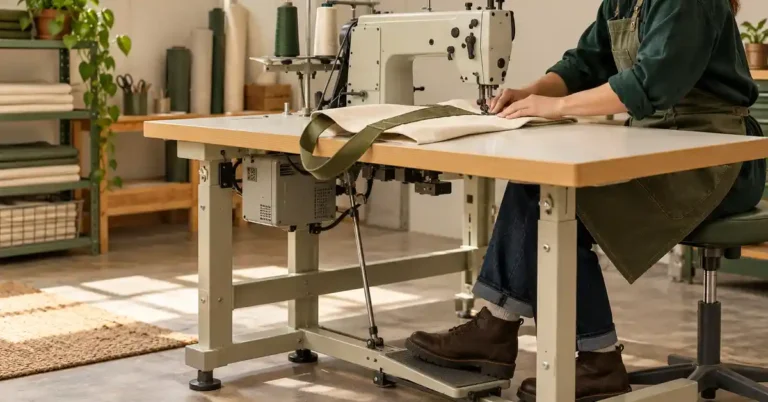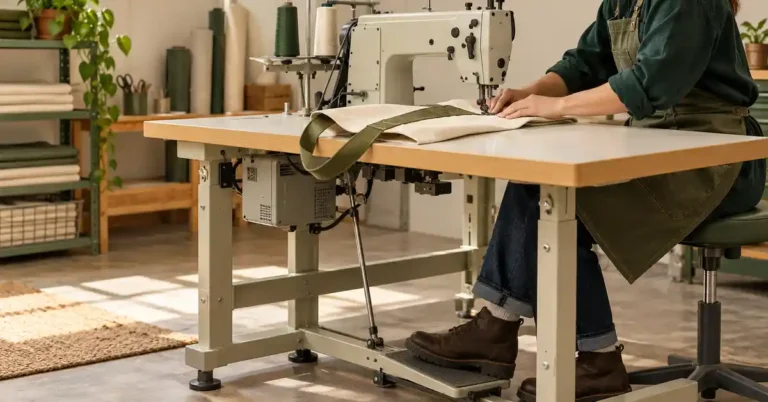

Sewing leather can be a daunting task for many crafters and sewing enthusiasts, especially if you’re not familiar with the specific requirements and techniques involved. A common question that arises is, “Can you sew leather with a regular sewing machine?” The answer isn’t as straightforward as it might seem. While it is technically possible to sew leather with a regular sewing machine, there are several factors to consider to ensure a successful project. This article will explore the ins and outs of sewing leather, what you need to do it effectively, and the best practices to follow.
Can You Sew Leather with a Regular Sewing Machine?
The short answer is yes, you can sew leather with a regular sewing machine, but it comes with some caveats. Regular sewing machines are typically designed for lighter fabrics like cotton or polyester, and sewing leather can put a strain on them. However, with the right adjustments and tools, you can successfully sew leather without damaging your machine or the material.
Types of Leather
Before diving into the sewing process, it’s essential to understand the different types of leather you might encounter. Leather comes in various grades and thicknesses, each with its unique characteristics:
| Type of Leather | Characteristics |
|---|---|
| Full-Grain Leather | Durable, retains natural markings, ages beautifully. |
| Top-Grain Leather | More consistent finish, slightly less durable than full-grain. |
| Genuine Leather | Lower quality, often made from leftover pieces. |
| Suede | Soft, napped finish, usually less durable. |
Understanding these types will help you choose the right leather for your project and the appropriate techniques for sewing it.
Tools and Equipment Needed
To sew leather effectively, you’ll need specific tools and equipment that can handle the material’s unique properties. Here’s a list of essential items:
- Leather Needle: These needles have a wedge-shaped point designed to penetrate leather without tearing it.
- Walking Foot: This attachment helps feed the leather evenly through the machine, preventing slipping.
- Thick Thread: Use heavy-duty polyester or nylon thread for durability.
- Cutting Mat and Rotary Cutter: For precise cuts without damaging your work surface.
- Leather Glue: Helpful for holding pieces together before sewing.
Preparing Your Sewing Machine
Before you begin sewing leather, it’s crucial to prepare your sewing machine properly. Here are the steps you should follow:
- Change the Needle: Replace the regular needle with a leather needle to avoid damaging the leather.
- Adjust the Tension: You may need to adjust the sewing machine tension settings to accommodate the thickness of the leather.
- Increase the Stitch Length: Longer stitches (around 3-4 mm) are generally recommended for leather to minimize perforation.
Sewing Techniques for Leather
When sewing leather, it’s essential to use the right techniques to ensure a professional finish. Here are some tips to keep in mind:
1. Pinning and Clipping
Leather can be challenging to pin due to its thickness. Instead of traditional pins, use clips to hold the pieces together without leaving holes.
2. Using a Throat Plate
Replace the throat plate of your sewing machine with one that has a wider hole for the needle. This helps accommodate the thicker material and prevents snagging.
3. Sew Slowly
Take your time when sewing leather; rushing can lead to mistakes. Sew at a moderate pace to ensure accuracy and control.
Common Challenges and Solutions
Working with leather comes with its challenges. Here are some common issues you may face along with their solutions:
1. Needle Breakage
Using a regular needle can cause it to break when sewing leather. Always use a leather needle and ensure it is appropriate for the thickness of the leather.
2. Uneven Stitching
If your stitches are uneven, check the tension settings and make sure you are using a walking foot to help feed the leather evenly.
3. Leather Slipping
Leather can slide around under the presser foot. Using a walking foot and leather clips can help keep it in place.
Care and Maintenance of Leather Projects
Once you’ve successfully sewn your leather project, proper care and maintenance are crucial to ensure its longevity. Here are some tips for maintaining your leather items:
- Cleaning: Use a damp cloth to wipe down the leather. Avoid soaking it in water, as this can damage the material.
- Conditioning: Regularly condition your leather with a leather conditioner to keep it supple.
- Storage: Store leather items in a cool, dry place away from direct sunlight to prevent fading and drying out.
FAQ
A: While you can sew many types of leather with a regular sewing machine, it’s best suited for thinner leathers. Thicker leathers may require a heavy-duty sewing machine.
A: Use heavy-duty polyester or nylon thread, as these materials provide the necessary strength and durability for leather projects.
A: Yes, a walking foot or Teflon foot is recommended to help guide the leather through the machine without slipping.
A: It’s possible, but it may be more challenging. A walking foot helps prevent slipping and ensures even stitching.
A: Yes, using a leather needle is crucial, as it is designed to penetrate the material without causing damage.
Conclusion
Sewing leather with a regular sewing machine is indeed possible, but it requires the right preparation, tools, and techniques. By understanding the specific types of leather, equipping yourself with the necessary tools, and following best practices, you can create beautiful leather projects. Whether you’re making a bag, wallet, or any other leather item, being mindful of the unique properties of leather will lead to a successful and enjoyable sewing experience. For those interested in expanding their sewing capabilities further, consider investing in a reliable and easy-to-use embroidery machine, such as the Barudan, or explore our review of the Jinyu embroidery machine. Happy sewing!