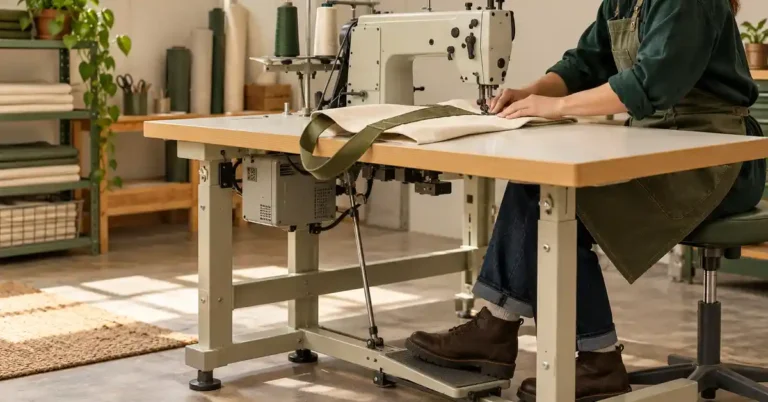
Embroidery is a fantastic way to add personal touches to your sewing projects, whether you’re crafting unique home decor or customizing clothing. Many enthusiasts often wonder, “Can you use embroidery thread on a sewing machine?” The short answer is yes, but there are important nuances to consider for optimal results. This article will delve into the intricacies of using embroidery thread on sewing machines, providing you with insights, tips, and best practices to enhance your sewing experience.
Understanding Embroidery Thread
Embroidery thread is specifically designed for decorative stitching and is often finer and shinier than standard sewing thread. It’s made from various materials, including rayon, polyester, and cotton, each providing a different finish and durability. Understanding the properties of embroidery thread is crucial if you’re considering using it on a sewing machine.
Properties of Embroidery Thread
- Shininess: Embroidery threads often have a sheen that adds a decorative touch.
- Strength: While they are designed for decorative purposes, many embroidery threads are strong enough for sewing tasks.
- Flexibility: The flexibility of embroidery thread makes it suitable for various fabrics.
Sewing Machine Compatibility
Not all sewing machines are created equal, and some may not handle embroidery thread well. It’s essential to understand your sewing machine’s capabilities before using embroidery thread.
Types of Sewing Machines
There are mainly three types of sewing machines you might consider:
| Type | Features | Best For |
|---|---|---|
| Mechanical Sewing Machines | Manual controls, fewer features | Basic sewing tasks |
| Electronic Sewing Machines | Automated features, multiple stitch options | Intermediate sewing projects |
| Embroidery Machines | Specifically designed for embroidery, includes built-in designs | Advanced embroidery projects |
What to Look For
- Check if your machine has a free arm feature, which helps in maneuvering fabric.
- Ensure your machine can handle different thread thicknesses.
- Consult your machine’s manual for any specific recommendations regarding thread types.
Types of Embroidery Thread
Choosing the right type of embroidery thread for your project can significantly affect the outcome. Here are the most common types:
Rayon Thread
Rayon thread is known for its shine and vibrant colors. It’s commonly used in machine embroidery but can fray easily. It’s best for projects that won’t undergo heavy wear and tear.
Polyester Thread
Polyester thread is durable and resistant to fading, making it ideal for projects exposed to sunlight or frequent washing. It’s generally suitable for use on sewing machines.
Cotton Thread
Cotton embroidery thread offers a more matte finish and is great for quilting and projects where a softer look is desired. Make sure to use a compatible needle when working with cotton threads.
Metallic Thread
Metallic thread adds a shimmering effect to your projects but can be tricky to work with due to its tendency to fray. A special needle designed for metallic threads is recommended.
How to Use Embroidery Thread on a Sewing Machine
Using embroidery thread on a sewing machine involves a few steps to ensure a smooth sewing process. Here’s how you can do it:
1. Choose the Right Needle
Using the correct needle is crucial for successful sewing with embroidery thread. Select a needle that matches the weight of your thread:
| Thread Type | Recommended Needle Size |
|---|---|
| Rayon | 75/11 |
| Polyester | 80/12 |
| Cotton | 90/14 |
| Metallic | 90/14 (with a special metallic needle) |
2. Adjust Tension Settings
Embroidery thread is usually finer, which may require adjusting the tension settings on your sewing machine. Start with a medium tension and adjust as necessary until you achieve a balanced stitch.
3. Thread Your Machine Properly
Follow your sewing machine’s threading guide to ensure the thread is properly inserted. Make sure the embroidery thread is seated correctly in the tension discs.
4. Set the Stitch Length and Width
Adjust the stitch length and width based on your project. For decorative stitching, you might want to experiment with wider stitches to highlight the embroidery thread.
5. Test on Scrap Fabric
Always perform a test run on a scrap piece of fabric. This allows you to fine-tune your settings and ensure that the thread behaves as expected.
Tips for Successful Sewing with Embroidery Thread
To achieve the best results when using embroidery thread, consider the following tips:
Use a Stabilizer
A stabilizer helps to prevent fabric distortion during sewing, especially when working with intricate designs. Choose the appropriate stabilizer based on your fabric type and design complexity.
Maintain Your Sewing Machine
Regular maintenance of your sewing machine ensures smooth operation. Clean the bobbin case, oil the machine, and check for any worn-out parts.
Keep Thread Tension Balanced
Inconsistent tension can lead to uneven stitches. Monitor your tension settings regularly, especially if you switch between different types of threads.
Common Issues and Solutions
Using embroidery thread may come with its own set of challenges. Here are some common issues and their solutions:
Thread Breakage
If your thread keeps breaking, check for:
- Improper threading
- Incorrect needle size
- Too much tension on the thread
Puckering Fabric
Puckering can occur due to too tight tension or the absence of a stabilizer. Make sure to adjust the tension and use a stabilizer to prevent this issue.
Skipped Stitches
Skipped stitches may indicate that the needle is too dull or the wrong size for the thread. Change to a new needle that matches the thread type.
Frequently Asked Questions
A: Yes, you can use embroidery thread for regular sewing, but it is best suited for decorative purposes rather than heavy-duty sewing tasks.
A: The needle type depends on the thread material; for rayon, use a 75/11 needle, and for polyester, use an 80/12 needle.
A: Yes, a stabilizer is recommended to prevent fabric distortion and ensure clean, even stitches during embroidery.
Conclusion
Using embroidery thread on a sewing machine can open new avenues for creativity in your sewing projects. By understanding the types of threads, adjusting your machine settings, and following best practices, you can enhance your sewing experience. Whether you’re creating beautiful embroidery wall hangings or customizing clothing, the right approach will help you achieve stunning results. For more inspiration, check out our article on Beautiful Embroidery Wall Hanging Designs, and explore the capabilities of the Bernina 830 Sewing and Embroidery Machine for your embroidery adventures. Happy sewing!