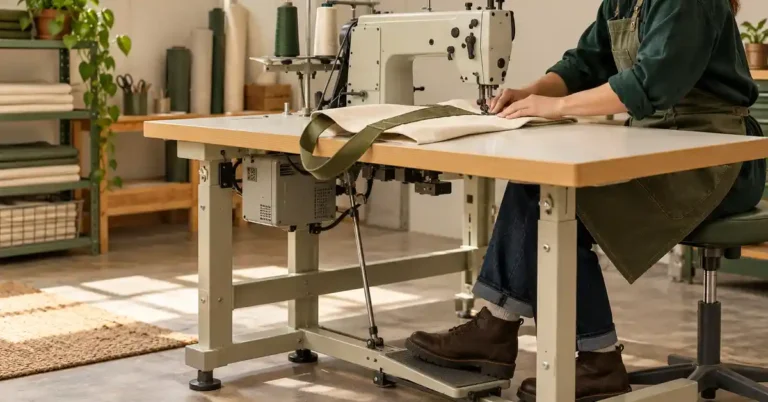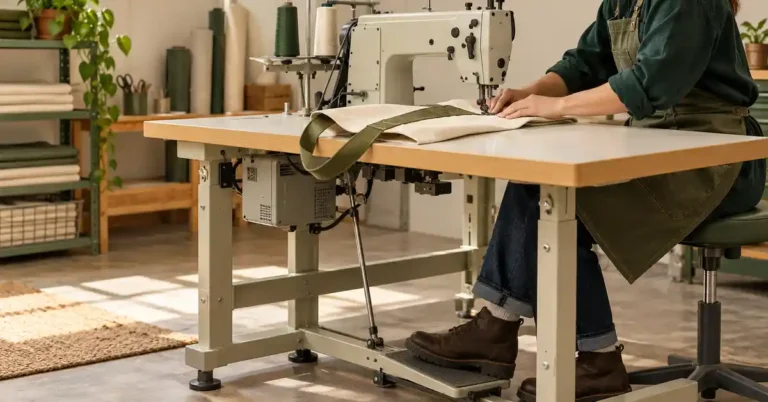
In the world of sewing and embroidery, a chain stitch sewing machine holds a unique and essential place. This specialized machine is not only known for its efficiency but also for the distinctive stitch it produces, which is utilized across various applications, from garment construction to intricate embroidery. Understanding the mechanisms, uses, and advantages of chain stitch sewing machines can significantly enhance your sewing projects, whether you’re a hobbyist or a professional. In this article, we will explore everything you need to know about chain stitch sewing machines, including their benefits, types, and tips for optimal use.
What is a Chain Stitch Sewing Machine?
A chain stitch sewing machine is a type of sewing machine that creates stitches by interlooping threads. Unlike traditional lockstitch machines that use a bobbin and a needle to form stitches, chain stitch machines utilize a single thread to create a continuous chain of stitches. This unique stitching method allows for greater flexibility and stretch in the fabric, making it particularly useful for sewing knitwear, lightweight fabrics, and various types of embroidery.
Types of Chain Stitch Sewing Machines
Chain stitch sewing machines come in various designs suited for different tasks. Here are the main types:
1. Single Needle Chain Stitch Machines
These machines are often used for basic sewing tasks and are suitable for both home and industrial applications. They create a single row of chain stitches and are ideal for lightweight fabrics.
2. Multi-Needle Chain Stitch Machines
Multi-needle chain stitch machines allow for more complex designs and are commonly used in embroidery. They enable users to create multiple rows of chain stitches simultaneously, which enhances productivity.
3. Overlock Chain Stitch Machines
Overlock chain stitch machines combine the functions of overlock and chain stitch sewing. They are primarily used to finish fabric edges while providing a chain stitch, which can add durability and prevent fraying.
4. Industrial Chain Stitch Machines
Designed for high-volume production, industrial chain stitch machines are built for speed and durability. They often feature automated functions and are used in factories for large-scale garment manufacturing.
Advantages of Chain Stitch Sewing Machines
Chain stitch sewing machines offer several benefits that make them a preferred choice for many sewing enthusiasts and professionals:
1. Speed
Chain stitch machines are generally faster than traditional sewing machines, which is a significant advantage when working on large projects or in commercial settings.
2. Flexibility
The ability to stretch and flex makes chain stitches ideal for knit fabrics and garments that require movement, such as activewear.
3. Durability
Chain stitches can withstand significant tension, making them less likely to break compared to other stitch types. This durability is especially beneficial in high-stress areas of garments.
4. Unique Design Options
Chain stitches can add decorative elements to your sewing projects, allowing for creative designs that stand out.
How to Use a Chain Stitch Sewing Machine
Using a chain stitch sewing machine can be straightforward, but it does require some knowledge and practice. Here’s a step-by-step guide to help you get started:
1. Setup the Machine
Ensure that your machine is set up correctly. This includes threading the machine with the appropriate thread type and ensuring the needle is suitable for the fabric you are using.
2. Adjust the Tension
Set the thread tension according to the fabric type. Lighter fabrics may require less tension, while heavier fabrics may need more.
3. Choose the Right Stitch Length
Adjust the stitch length based on your project. Longer stitches may be suitable for basting, while shorter stitches are better for permanent seams.
4. Start Sewing
Begin sewing by guiding the fabric gently. Avoid pulling the fabric through the machine, as this can disrupt the stitch formation.
5. Finishing the Seam
Once you finish sewing, ensure that you secure the stitches by backstitching or using a serger, especially if working with fabrics prone to fraying.
Maintenance and Care
To ensure your chain stitch sewing machine operates efficiently, regular maintenance is essential. Here are some tips:
1. Clean Regularly
Dust and lint can accumulate in the machine, affecting its performance. Clean the machine regularly using a soft brush or cloth.
2. Oil the Machine
Refer to your machine’s manual for the recommended oiling schedule. Proper lubrication reduces wear and tear on moving parts.
3. Check the Needle
Regularly inspect the needle for damage. A dull or bent needle can lead to poor stitching quality and may damage your fabric.
4. Store Properly
When not in use, cover your machine to protect it from dust and debris. Store in a dry place to prevent rust and corrosion.
Common Issues and Troubleshooting
Even the best chain stitch sewing machines can experience issues. Here are some common problems and how to troubleshoot them:
1. Thread Breakage
Thread breakage can result from incorrect tension or a damaged needle. Check your settings and replace any damaged needles.
2. Uneven Stitches
If your stitches are uneven, it may be due to improper threading or tension issues. Rethread the machine and adjust the tension as necessary.
3. Fabric Jamming
Fabric may jam if it is not fed correctly. Ensure that the fabric is positioned properly and is not being pulled excessively.
FAQ
A: While chain stitch machines can be used for quilting, they are not typically recommended for heavy layers. A traditional sewing machine or a quilting machine may be more suitable.
A: Chain stitch sewing machines work well with lightweight and stretchy fabrics, making them ideal for knits, jerseys, and other flexible materials.
A: Yes, with practice, chain stitch machines can be easy to learn. Familiarity with basic sewing techniques will help speed up the learning process.
A: A chain stitch uses a single thread looped through the fabric, while a lock stitch uses two threads – one from a bobbin and one from the needle – to form stitches.
In summary, a chain stitch sewing machine is a versatile tool that can enhance your sewing and embroidery projects. With its unique stitching capabilities, speed, and durable results, it’s a valuable addition to any sewing enthusiast’s arsenal. Whether you are sewing garments, creating embroidery designs, or working on crafts, understanding how to effectively use and maintain a chain stitch sewing machine will ensure you get the best results every time. Consider exploring other machines as well, such as the Fortever Embroidery Machine for more advanced embroidery options, or check out the Perfect Sewing & Embroidery Machine for Crafters! for a comprehensive sewing experience. Happy sewing!