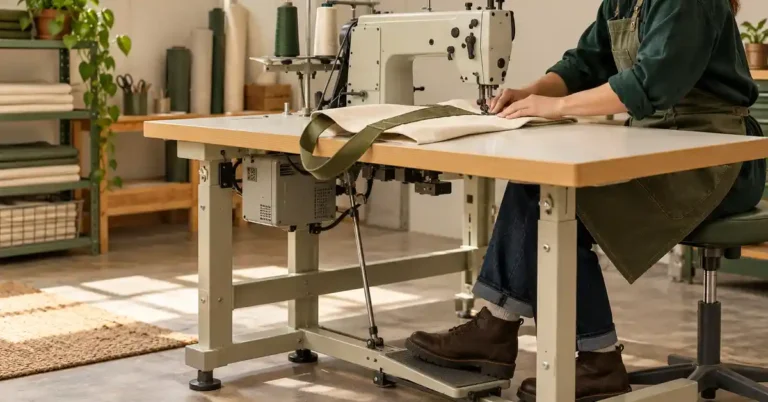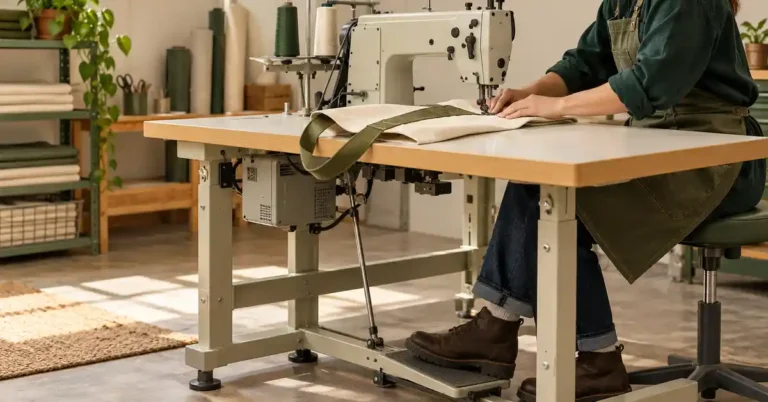
Engaging children in sewing projects can be a delightful way to introduce them to a valuable skill while also allowing them to express their creativity. A children’s sewing machine opens up a world of possibilities, from simple projects like pillowcases to more intricate designs like small garments or stuffed animals. With the right guidance and materials, children can embark on fun sewing adventures that not only keep them entertained but also foster a sense of accomplishment and pride in their work. In this article, we will explore various sewing projects suited for children, tips for success, and important considerations when using sewing machines designed for younger users.
Getting Started with Children’s Sewing Machines
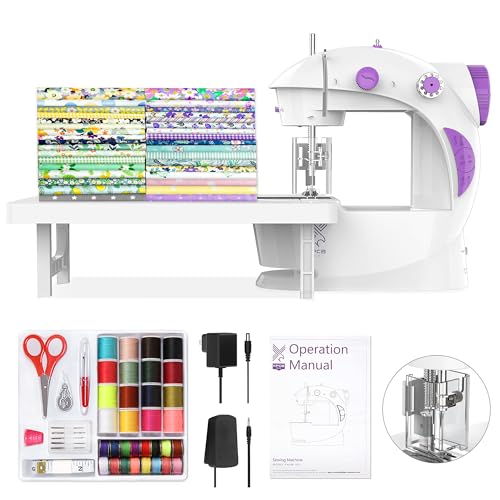
Choosing the right sewing machine for children is crucial. Machines designed specifically for kids typically have features that make them safer and easier to use. They often come with a simplified interface, reduced speed settings, and additional safety features that prevent accidents. Look for machines that are lightweight and portable, making it easy for kids to set up their sewing space wherever they like.
Safety Tips for Young Sewers
Safety is paramount when children are learning to sew. Here are some essential safety tips to ensure a positive sewing experience:
- Always supervise children while they are using a sewing machine.
- Teach them the importance of keeping fingers away from the needle when sewing.
- Encourage them to use a pin cushion instead of their hands for holding pins.
- Make sure the sewing area is free of clutter to avoid accidents.
- Instruct children on how to properly thread the machine and change the needle to avoid any mishaps.
Simple Sewing Projects for Children
Starting with simple projects is the best way to introduce children to sewing. Here are a few ideas that are easy to follow and require minimal materials:
Pillowcase
A pillowcase is a straightforward project that allows children to practice basic sewing skills such as straight stitching and turning fabric. They can choose their favorite fabric patterns to make it personal.
Fabric Bookmarks
Fabric bookmarks are quick and easy to make. Children can personalize them with fabric paint or by sewing on decorative elements like buttons or patches.
Simple Tote Bag
Creating a tote bag is an excellent way for kids to learn sewing while making something functional. This project introduces them to sewing straight lines and handling handles.
| Project | Skill Level | Estimated Time |
|---|---|---|
| Pillowcase | Beginner | 1 hour |
| Fabric Bookmarks | Beginner | 30 minutes |
| Simple Tote Bag | Beginner | 2 hours |
Intermediate Sewing Projects for Children
Once children have mastered basic sewing techniques, they can move on to intermediate projects that challenge their skills further:
Stuffed Animals
Making stuffed animals allows children to explore 3D sewing. They can learn to sew curves and attach various pieces together, making this a fun and rewarding project.
Drawstring Backpack
A drawstring backpack is a practical project that teaches children about constructing bags with a functional closure. They can customize it with fabric and embellishments of their choice.
Simple Clothing Items (Skirts or Shorts)
Creating simple skirts or shorts introduces children to pattern reading and garment construction. They will learn about seams, hems, and sewing elastic or zippers.
Advanced Sewing Projects for Children
For children who are ready to tackle more complex projects, consider the following advanced sewing ideas:
Quilting Projects
Quilting introduces children to piecing fabric together and learning about layering. They can create quilts or smaller projects like pillow covers that incorporate various fabric designs.
Costumes
Making costumes for dress-up or Halloween can be incredibly fun and rewarding. Children can learn advanced techniques such as appliqué, ruffles, and using specialty fabrics.
Home Decor Items
Projects like making curtains, cushions, or table runners allow children to apply their sewing skills to enhance their living spaces. They can learn about measuring and ensuring proper fit, which is essential in sewing.
Essential Materials and Tools
Having the right materials and tools can make a significant difference in the sewing experience for children. Here’s a list of essentials:
- Fabric: Choose cotton or other easy-to-sew materials, especially for beginners.
- Thread: Use polyester or cotton thread that matches the fabric.
- Sewing machine: A simple, kid-friendly sewing machine with safety features.
- Scissors: Child-safe fabric scissors that are easy to handle.
- Pins and Pin Cushion: To hold fabric pieces together while sewing.
- Measuring Tape: For accurate measurements.
- Iron and Ironing Board: To press seams and finished projects for a professional look.
Maintaining the Children’s Sewing Machine
To ensure the longevity and proper functioning of a children’s sewing machine, regular maintenance is required. Here are some tips for keeping the machine in top condition:
- Clean the machine regularly to remove lint and dust that can accumulate during sewing.
- Oil the machine as recommended by the manufacturer to keep moving parts lubricated.
- Check the thread tension regularly and refer to guides for adjustments.
- Keep the machine covered when not in use to protect it from dust and debris.
Frequently Asked Questions
A: Most children can start learning to sew around the age of 6 or 7, depending on their interest and coordination. It’s essential to choose age-appropriate projects and machines.
A: No, children should always be supervised when using a sewing machine until they are fully confident and knowledgeable about safety practices.
A: Cotton fabrics are an excellent choice for beginners, as they are easy to handle, sew, and care for. As children become more experienced, they can explore other fabrics like fleece or jersey.
A: Celebrate their completed projects, introduce new challenges, and involve them in selecting fabrics and patterns that excite them. You can also explore sewing classes or clubs for additional inspiration.
In conclusion, introducing children to sewing through engaging projects can cultivate creativity, patience, and problem-solving skills. From simple to advanced projects, there is a wealth of opportunities for kids to explore their artistic side while learning a practical skill. Ensuring safety, providing the right tools, and maintaining a positive environment will set the stage for a rewarding sewing journey. As children progress, they will not only produce beautiful creations but also build a lifelong appreciation for sewing and crafting.