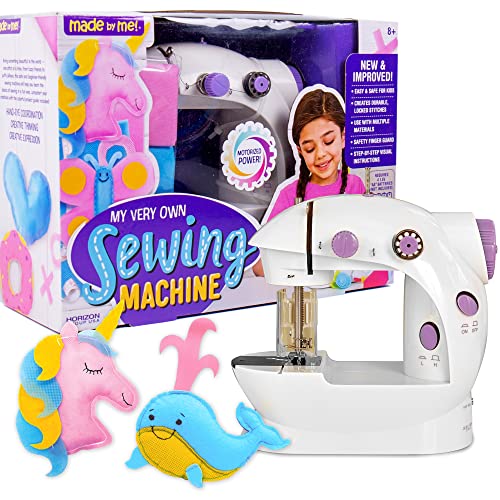
Choosing the right sewing machine for your child can be a delightful yet daunting task. With the plethora of options available, it is essential to find a machine that not only meets their creative needs but also ensures safety. A child’s sewing machine with a finger guard is an excellent choice for budding young seamstresses and tailors. This feature provides an added layer of security, making the sewing experience enjoyable and worry-free. In this article, we will explore the benefits of using a child’s sewing machine equipped with a finger guard, tips for selecting the right one, and how to encourage your child’s sewing journey.
Benefits of a Child’s Sewing Machine with Finger Guard
A child’s sewing machine with a finger guard offers numerous advantages. Let’s explore some of these benefits in detail.
Enhanced Safety
The primary purpose of a finger guard is to minimize the risk of injury. By preventing fingers from getting too close to the needle, it allows children to focus on their projects without the constant worry of accidents. This feature is especially crucial for younger children who are just starting to learn the basics of sewing.
Boosts Confidence
When children feel safe while sewing, they are more likely to experiment and be creative. A machine that prioritizes safety can help build their confidence, as they can focus on their sewing skills rather than fearing potential accidents.
Encourages Creativity
With a child’s sewing machine that has a finger guard, young crafters can explore their creativity without hesitation. They can learn to sew different projects, from simple pillows to more complex garments, encouraging them to express themselves through fabric.
Features to Consider
When selecting a child’s sewing machine, it’s essential to consider various features that will enhance their sewing experience. Here are some key features to look out for:
Stitch Options
A machine that offers multiple stitch options allows children to experiment with different sewing techniques. Basic stitches like straight and zigzag should be included, along with decorative stitches for creative projects.
Speed Control
Speed control is a valuable feature for young sewists. A machine with adjustable speed settings allows parents to set a slower speed while children are learning, making it easier for them to manage their sewing tasks.
Ease of Use
Look for machines that are user-friendly, with simple threading mechanisms and easy-to-follow instructions. A lightweight machine is also beneficial, as it can be easily moved and stored by children themselves.
Durability
Children can be a bit rough on their equipment, so it’s crucial to select a sewing machine that is sturdy and durable. Look for machines made from high-quality materials that can withstand the wear and tear of enthusiastic young crafters.
How to Choose the Right Machine
Selecting the right sewing machine for your child involves considering their age, skill level, and interests. Here are some steps to guide you through the process:
Assess Skill Level
Consider your child’s experience with sewing. If they are complete beginners, a simple machine with basic features is ideal. For those with some experience, advanced features like additional stitch options and speed control could be beneficial.
Read Reviews and Recommendations
Research different brands and models, paying attention to reviews from other parents. Recommendations from friends or sewing groups can also provide valuable insight into which machines are best suited for children.
Test the Machine
If possible, visit a store where you can test different machines. Allow your child to try out a few options to see which one feels most comfortable and suits their needs. This can also help in understanding the machine’s ease of use and features.
Set a Budget
Child sewing machines come in a range of prices. Setting a budget will help narrow down your options. Remember that investing in a quality machine can pay off in the long run, as it can inspire your child to continue sewing for years to come.
Encouraging Your Child to Sew
Once you’ve selected the perfect sewing machine for your child, the next step is to inspire and encourage them to sew. Here are some tips to foster their interest in sewing:
Create a Dedicated Sewing Space
Designate a specific area for sewing, equipped with all necessary supplies. This space should be comfortable and inviting, encouraging your child to spend time there. A well-organized sewing area can help them feel more excited about their projects.
Start with Simple Projects
Encourage your child to start with simple sewing projects that match their skill level. Items like pillowcases, tote bags, or simple garments can be great for beginners. As they gain confidence, they can gradually progress to more complex projects.
Provide Resources
Offer books, online tutorials, or even sewing classes to help them learn new techniques. Engaging with other sewing enthusiasts, whether online or in-person, can also provide motivation and inspiration.
Celebrate Achievements
Recognizing your child’s accomplishments, no matter how small, can boost their confidence and passion for sewing. Display their finished projects, share them with family and friends, and celebrate their journey as they learn and grow.
FAQ
A: Most children can start learning to sew around the age of 6 or 7, depending on their maturity and interest. Always supervise their sewing activities.
A: Look for machines with a finger guard, speed control, and an automatic needle threader to enhance safety and ease of use.
A: While children’s sewing machines are suitable for basic projects, they may not have the durability or features for extensive sewing. Consider upgrading as their skills advance.
A: Regularly clean the machine, oil moving parts as indicated in the manual, and keep it covered when not in use to prevent dust accumulation.
Conclusion
A child’s sewing machine with a finger guard is a thoughtful investment for nurturing creativity and developing skills in young crafters. By prioritizing safety and ease of use, these machines empower children to explore the world of sewing with confidence. As they embark on their sewing journey, providing support, resources, and encouragement will help them cultivate their passion for this timeless craft. Whether you are helping them create their first pillow or encouraging them to experiment with new stitches, the right machine can make all the difference. For more sewing inspiration, check out our articles on Why the Embroidery Machine Hat Hoop Transformed My Designs!, Review: personal embroidery machine, Discovering New Joys with Hand Embroidery Stitches!, Love These Machine Embroidery Quilt Kits – So Fun and Easy!, and Perle 8 Embroidery Thread: A Crafter’s Dream Come True!.