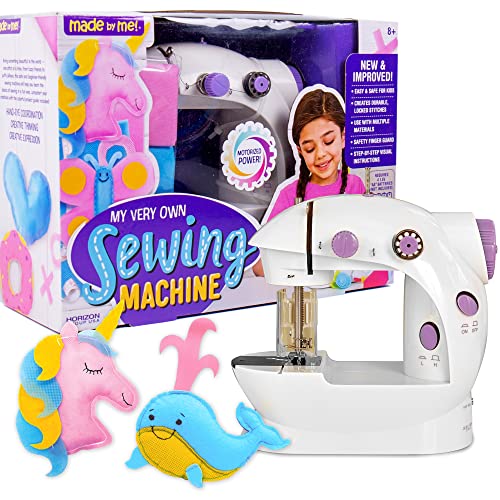
Sewing can be a delightful and fulfilling hobby for children. It encourages creativity, enhances fine motor skills, and provides a sense of accomplishment. However, ensuring safety while they learn is paramount, especially when using tools like sewing machines. A child’s sewing machine with a finger guard is an excellent choice for parents looking to introduce their kids to the world of sewing while minimizing the risk of accidents. This article explores the benefits, features, and tips related to these machines, helping you make an informed decision for your young sewist.
Table of Contents
- What is a Child’s Sewing Machine with Finger Guard?
- Benefits of Using a Child’s Sewing Machine with Finger Guard
- Features to Look For
- How to Choose the Right Machine
- Safety Tips for Using Sewing Machines
- Popular Models of Child’s Sewing Machines with Finger Guard
- FAQ
What is a Child’s Sewing Machine with Finger Guard?
A child’s sewing machine is a smaller, lighter version of a standard sewing machine, designed specifically for young users. These machines often come with features that facilitate ease of use and safety. A finger guard is a protective feature that shields the child’s fingers from the needle and moving parts, reducing the risk of injury while sewing. This additional safety feature makes these machines ideal for beginners, enabling children to focus on learning without the constant worry of accidents.
Benefits of Using a Child’s Sewing Machine with Finger Guard
Investing in a child’s sewing machine equipped with a finger guard offers several advantages:
Encourages Creativity
With a dedicated sewing machine, children can explore their creativity. They can make their own clothing, accessories, or home decor items, which nurtures imaginative thinking and problem-solving skills.
Enhances Fine Motor Skills
Sewing requires precise movements, which can greatly enhance a child’s fine motor skills. Using a sewing machine helps develop hand-eye coordination and dexterity, skills that are beneficial in other areas of life.
Boosts Confidence
Completing projects fosters a sense of accomplishment. Children can take pride in their creations, boosting their self-esteem and encouraging them to tackle more complex projects in the future.
Safe Learning Environment
The finger guard feature significantly reduces the risk of injuries, creating a safer learning environment. Parents can feel at ease knowing that their children are using equipment designed with safety in mind.
Features to Look For
When selecting a child’s sewing machine with a finger guard, consider the following features to ensure it meets your child’s needs:
| Feature | Description |
|---|---|
| Speed Control | Adjustable speed settings allow for slower sewing speeds, which is ideal for beginners. |
| Automatic Needle Threader | This feature simplifies the threading process, making it easier for kids to get started. |
| Lightweight Design | A lightweight machine is easier for children to maneuver and transport. |
| Variety of Stitch Options | Having multiple stitch options enables creative projects and helps kids learn different techniques. |
| Built-in Safety Features | In addition to a finger guard, look for machines with safety locks and automatic shut-off features. |
How to Choose the Right Machine
Selecting the right sewing machine for your child involves considering several factors:
Age and Skill Level
Consider your child’s age and sewing experience. Younger children may benefit from simpler models with fewer features. In contrast, older children or those with some sewing experience might appreciate more advanced options.
Project Types
Think about what types of projects your child is interested in. If they want to sew simple items like pillows or tote bags, a basic machine may suffice. For more intricate projects, look for machines with additional features.
Budget
Sewing machines come in various price ranges. Set a budget that fits your financial situation while still ensuring quality. Remember that investing in a good machine can enhance your child’s sewing experience.
Brand Reputation
Research brands known for producing reliable child-friendly sewing machines. Reading reviews and recommendations can help you make an informed decision.
Safety Tips for Using Sewing Machines
Even with a child-friendly machine, safety should always be a priority. Here are some essential safety tips:
Supervision
Always supervise your child while they are using the sewing machine. This ensures they follow safety protocols and helps them troubleshoot any issues that may arise.
Teach Proper Techniques
Before starting, teach your child the basics of sewing machine operation, including how to thread the machine, adjust settings, and safely handle fabric. Emphasize the importance of keeping fingers away from the needle area.
Use Safety Equipment
Encourage your child to wear safety glasses if they are working with heavier fabrics or if they are new to sewing. This adds an extra layer of protection.
Maintain the Machine
Regular maintenance checks are crucial. Ensure that the machine is clean, well-oiled, and functioning correctly to prevent accidents caused by malfunctioning equipment.
Popular Models of Child’s Sewing Machines with Finger Guard
Here are some well-reviewed child’s sewing machines with finger guards that stand out in the market:
| Model | Features | Price Range |
|---|---|---|
| Brother LS2125i | 20 built-in stitches, lightweight, automatic needle threader | $100 – $120 |
| Singer 3221 | 21 built-in stitches, easy threading, finger guard | $120 – $140 |
| Janome 11706 | 15 built-in stitches, compact design, safety features | $80 – $100 |
| Juki HZL-29Z | 29 built-in stitches, lightweight, finger guard | $150 – $180 |
When considering a purchase, always check for the latest customer reviews and comparisons to find the best fit for your child’s sewing journey.
A: Most children can start learning to sew around the age of 7 or 8, but this can vary based on the child’s maturity and interest. Always ensure proper supervision and instruction.
A: While children can use standard sewing materials, it’s advisable to start with lightweight fabrics like cotton to make handling easier and more enjoyable.
A: Set achievable goals, provide a variety of projects, and celebrate their accomplishments to keep their interest alive.
Conclusion
A child’s sewing machine with a finger guard can be an invaluable tool in nurturing your child’s creativity and skills. By choosing a model that suits their age and interests, prioritizing safety, and providing guidance, you can create a positive sewing experience. Whether they are making simple projects or exploring more complex designs, this equipment can foster a lifelong love for crafting. So, prepare to watch your young sewist thrive while creating beautiful and unique pieces!