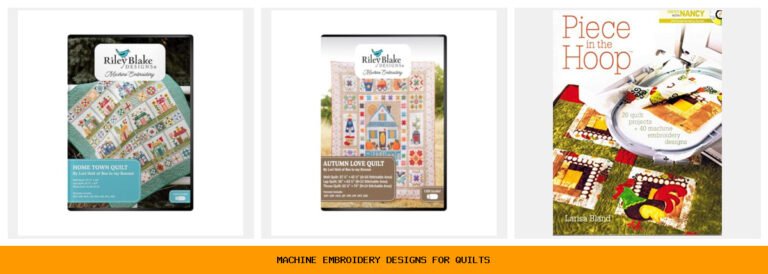
In the world of crafting and sewing, computerized quilting machines for home use have become a game-changer. These innovative machines not only enhance the quality of quilting but also streamline the process, allowing both beginners and seasoned quilters to create stunning projects with ease. With a variety of features and technology, choosing the right machine can enhance your quilting experience, making it more enjoyable and efficient. Let’s dive deeper into the world of computerized quilting machines, exploring their benefits, features, and tips for selecting the best one for your needs.
Table of Contents
- What Are Computerized Quilting Machines?
- Benefits of Computerized Quilting Machines
- Key Features to Consider
- Top Computerized Quilting Machines for Home Use
- Maintenance and Care of Your Quilting Machine
- FAQ
What Are Computerized Quilting Machines?
Computerized quilting machines are specially designed devices that automate the quilting process, combining sewing and embroidery capabilities. These machines often come with built-in designs, advanced stitching options, and user-friendly interfaces, making it easier for users to create intricate patterns and designs. Many models allow users to connect to a computer or a tablet, enabling direct downloads of new designs and patterns, which opens up a world of creative possibilities.
Benefits of Computerized Quilting Machines
There are numerous advantages to using computerized quilting machines over traditional quilting methods. Here are some key benefits:
Enhanced Precision
One of the standout features of computerized quilting machines is their ability to achieve high precision. With advanced technology, these machines can execute intricate designs and stitches that may be difficult to replicate by hand. This means better alignment and consistent quality throughout your quilting projects.
Time Efficiency
Computerized machines can significantly reduce the time spent on quilting. Many machines have automatic features such as thread cutting, stitch programming, and pattern storage, allowing you to focus more on creativity rather than manual adjustments.
Versatility
These machines are incredibly versatile, capable of handling a wide range of fabrics and quilting styles. From simple patchwork to complex quilting patterns, a computerized machine can adapt to your project needs with ease.
User-Friendly Features
Most computerized quilting machines come equipped with user-friendly features like touch screens, built-in tutorials, and easy navigation systems. This makes it easier for beginners to learn and for experienced quilters to enhance their skills.
Key Features to Consider
When selecting a computerized quilting machine, several key features should be taken into account to ensure you choose the right model for your needs:
Stitch Options
Consider the variety of stitch options available on the machine. Look for machines that offer a comprehensive range of stitches, including decorative stitches that can enhance your quilting designs.
Hoop Sizes
Different projects require different hoop sizes. Ensure that the machine you choose has a variety of hoop sizes to accommodate your quilting needs.
Built-In Designs
Many machines come with built-in designs, which can save you time and effort. Check how many designs are included and whether they can be expanded by adding new ones.
Connectivity Options
Some models allow you to connect to a computer or mobile device to download new designs directly. This feature can greatly enhance your creative options.
Ease of Use
Look for features that make the machine easy to use, such as a clear display screen, intuitive controls, and an easy threading system. A good user experience can significantly enhance your quilting enjoyment.
Top Computerized Quilting Machines for Home Use
Here are some of the top-rated computerized quilting machines currently available for home use, each with unique features to cater to different quilting styles:
| Machine Model | Key Features | Price Range |
|---|---|---|
| Brother PQ1500SL | High-speed stitching, large throat space, automatic thread cutting, 150 built-in stitches | $$$ |
| Singer Quantum Stylist 9960 | 600 built-in stitches, touch screen, automatic needle threader, programmable needle up/down | $$ |
| Janome Horizon Memory Craft 9450 QCP | Large sewing area, 350 built-in stitches, advanced needle threader, dual feed system | $$$$ |
| PFAFF Creative 3.0 | Creative Icon feature, 200 built-in stitches, advanced embroidery capabilities | $$$$ |
Maintenance and Care of Your Quilting Machine
Proper maintenance of your computerized quilting machine is essential for longevity and performance. Here are some tips to keep your machine in top condition:
Regular Cleaning
Dust and lint can accumulate in your machine, affecting its performance. Regularly clean your machine, especially after heavy use. Use a soft brush to remove lint from the bobbin area and around the feed dogs.
Oil Your Machine
Refer to your machine’s manual for guidance on oiling. Many machines require regular oiling to keep the moving parts lubricated, which helps prevent wear and tear.
Check the Tension
Ensure that your thread tension is set correctly for the fabric you are using. Incorrect tension can lead to uneven stitches and poor quality quilting. Regularly check and adjust as necessary.
Store Properly
When not in use, cover your machine with a dust cover to protect it from dust and debris. If you’re storing it for an extended period, consider removing the needle and unplugging it to prevent any accidental damage.
A: Prices can vary widely based on features and brand, but you can expect to spend anywhere from $300 to over $3000 for high-end models.
A: While some experience can be beneficial, many computerized machines are designed for beginners and come with tutorials to help you get started.
A: Most computerized quilting machines can handle a variety of fabrics, but it’s always good to check the manufacturer’s recommendations for best results.
FAQ
A: Computerized quilting machines offer more advanced features, such as built-in designs, automatic stitching options, and higher precision compared to regular sewing machines.
A: Many computerized quilting machines come with embroidery capabilities, but it’s best to check the specifications to confirm.
A: Consider your quilting experience, the types of projects you plan to make, and your budget. Look for machines with user-friendly features and a range of stitch options.
In conclusion, computerized quilting machines for home use are a fantastic investment for anyone interested in quilting, whether you are a beginner or an experienced quilter. By offering precision, efficiency, and a wide range of features, these machines can elevate your quilting projects and make the process more enjoyable. Remember to consider your specific needs, explore different models, and take proper care of your machine to ensure longevity and performance. With the right tool at your fingertips, you can create stunning quilts and explore endless creative possibilities.