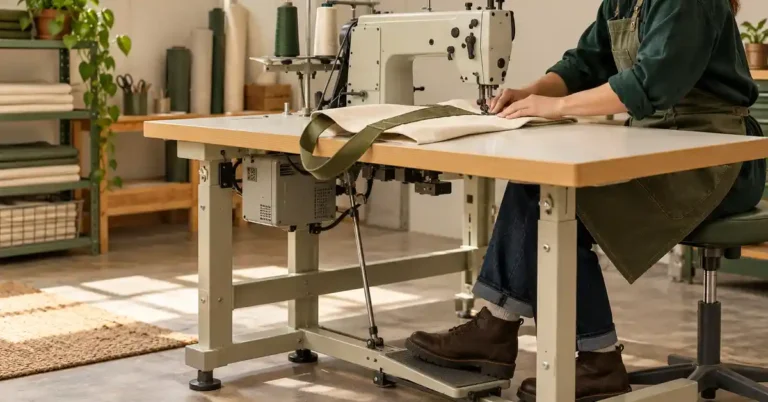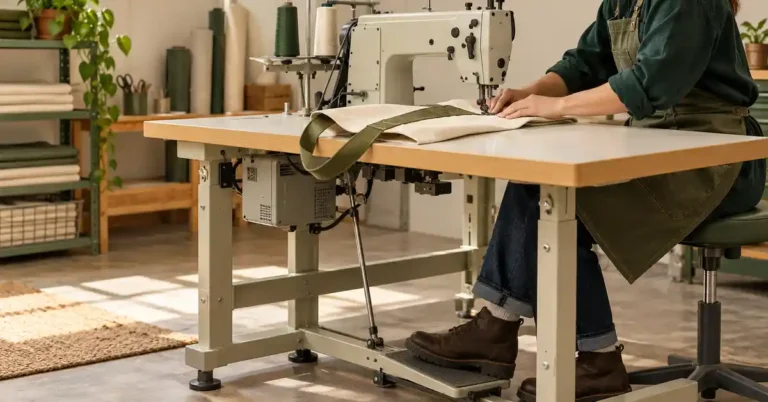

In the world of sewing, the advent of computerized sewing machines has transformed the craft, making it more accessible for beginners and seasoned professionals alike. These modern machines simplify various sewing tasks and allow for intricate designs and quick adjustments. If you’re just starting your sewing journey, investing in a computerized sewing machine can significantly enhance your learning experience and creativity. This article aims to guide you through the essential aspects of choosing and using a computerized sewing machine for beginners.
Why Choose Computerized Sewing Machines?
Computerized sewing machines come equipped with advanced technology that can significantly enhance the sewing experience for beginners. Unlike traditional machines, they offer features such as automatic stitch selection, programmable patterns, and built-in tutorials that make sewing easier and more intuitive. Here are some reasons why beginners should consider a computerized sewing machine:
Ease of Use
Many computerized sewing machines are designed with user-friendly interfaces, often featuring touchscreens that simplify navigation through various settings and functions. Beginners can easily select stitches, adjust settings, and access tutorials without the hassle of manual adjustments.
Versatility
A computerized sewing machine can handle a wide range of sewing tasks, from basic sewing to intricate embroidery designs. This versatility allows beginners to explore different sewing projects without needing multiple machines.
Precision
Computerized machines provide precise stitching and tension control, which is crucial for achieving professional-looking results. This precision can be particularly helpful when working on detailed projects or fabrics that require special handling.
Features to Look for in a Computerized Sewing Machine
When shopping for a computerized sewing machine, several key features can enhance your sewing experience. Here are some essential features to consider:
Built-in Stitches
Choose a machine with a variety of built-in stitches, including straight, zigzag, and decorative stitches. A wider selection allows for greater creativity in your projects.
Automatic Threading
Automatic threading systems save time and reduce frustration, making it easier for beginners to get started without the hassle of manual threading.
LCD Display
A clear LCD display can provide essential information about the selected stitch, settings, and machine status. This feature is particularly helpful for beginners who are still learning the ropes.
Speed Control
Look for machines with adjustable speed controls, which allow beginners to start slowly as they gain confidence and then increase speed as they become more skilled.
Built-in Tutorials
Many computerized machines offer built-in tutorials that guide beginners through various functions and techniques, making it easier to learn and master sewing skills.
Best Computerized Sewing Machines for Beginners
Here are some of the best computerized sewing machines that are particularly well-suited for beginners:
| Model | Key Features | Price Range |
|---|---|---|
| Brother CS6000i | 60 built-in stitches, automatic needle threader, LCD display | $200 – $250 |
| Janome 2212 | 12 built-in stitches, easy threading, drop feed for free-motion sewing | $150 – $200 |
| Singer 7258 | 100 built-in stitches, automatic needle threader, programmable needle up/down | $250 – $300 |
| Bernina 335 | 33 built-in stitches, high sewing speed, integrated dual feed | $600 – $700 |
Basic Sewing Techniques to Master
Once you’ve chosen your computerized sewing machine, it’s time to start sewing! Here are some basic techniques that every beginner should master:
Threading the Machine
Properly threading your sewing machine is crucial for achieving smooth stitches. Follow the instructions in your user manual for the specific steps on threading your model. Remember, many machines have automatic threading options that can simplify this process.
Using Different Stitches
Experiment with the various built-in stitches available on your machine. Practice basic stitches like straight, zigzag, and decorative stitches to understand how each one functions and when to use them.
Seaming Techniques
Learning how to sew seams correctly is fundamental. Practice sewing straight seams, curved seams, and finishing techniques like zigzagging or using a serger for clean edges.
Installing Zippers and Buttons
Installing zippers and buttons is a key skill for many sewing projects. Use the tutorials available on your machine to guide you through these techniques, and practice on scraps before working on your final projects.
Maintenance and Care for Your Sewing Machine
To keep your computerized sewing machine in top condition, regular maintenance is essential:
Cleansing Your Machine
Dust and lint can accumulate in your sewing machine over time, affecting its performance. Regularly clean the bobbin area, needle plate, and feed dogs using a small brush or cloth.
Updating Software
Some computerized machines come with software that can be updated via USB or the manufacturer’s website. Ensure you keep your machine’s software up to date for optimal performance and access to new features.
Regular Servicing
Consider taking your machine for professional servicing at least once a year. This can help identify and resolve potential issues before they become serious problems.
FAQ
A: Computerized sewing machines use electronic controls to automate various functions, such as stitch selection and tension adjustments, while mechanical machines require manual adjustments for most settings.
A: Yes, computerized sewing machines are designed with user-friendly features, making them suitable for beginners who may find traditional machines more challenging.
A: Prices for beginner-friendly computerized sewing machines typically range from $150 to $700, depending on the features and brand.
A: Popular brands for beginners include Brother, Singer, and Janome, known for their user-friendly features and reliable performance.
In conclusion, investing in a computerized sewing machine can be a game-changer for beginners looking to dive into the world of sewing and embroidery. With their user-friendly features, versatility, and precision, these machines can significantly enhance your sewing journey. As you explore different techniques and projects, don’t forget to maintain your machine regularly to keep it in top condition. Whether it’s creating beautiful applique designs or mastering the art of embroidery, your computerized sewing machine will be a valuable companion in your sewing adventures. For more inspiration and resources on sewing and embroidery, check out our guides on Beautiful Applique Designs, Perfect Polos for Embroidery Projects, Stick and Stitch Embroidery Fun, the Best Spots for Unique Embroidery, and Antique Chinese Silk Embroidery. Happy sewing!