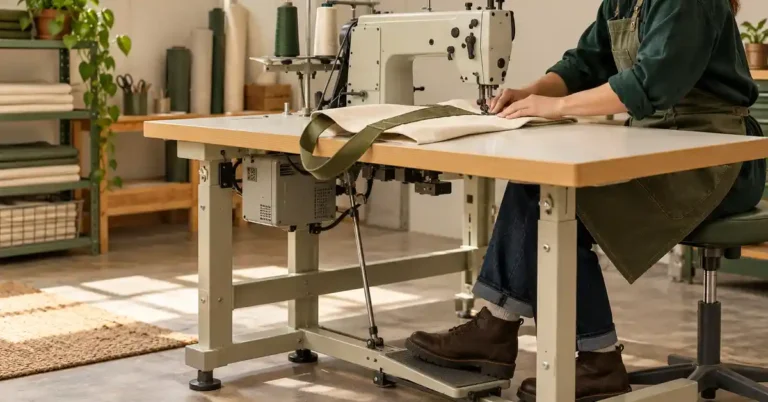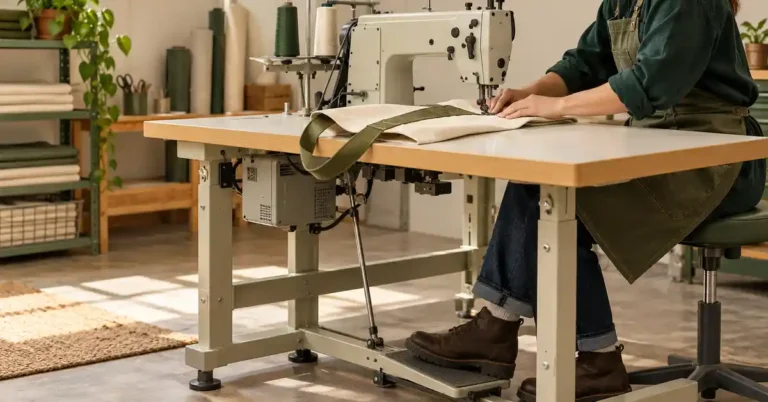
Cylinder bed sewing machines are specialized tools designed for sewing cylindrical or tubular items. Unlike traditional flatbed sewing machines, these devices feature a cylindrical bed that allows for easy maneuverability around rounded edges and tight spaces. This makes them a favorite among professionals in various industries, including garment manufacturing, leatherwork, and even upholstery. Whether you are a seasoned professional or an enthusiastic hobbyist, understanding the features and benefits of cylinder bed sewing machines can significantly enhance your sewing experience.
What is a Cylinder Bed Sewing Machine?
A cylinder bed sewing machine is specifically designed with a curved, cylindrical surface that allows for sewing tubular or rounded materials easily. This design is particularly advantageous for sewing items like sleeves and pant legs, where a flatbed machine would struggle to access the inner seams or curves. The machine typically operates with various stitch types, including zigzag and straight stitches, and can accommodate different types of fabrics, from lightweight to heavy materials.
Advantages of Cylinder Bed Sewing Machines
There are several advantages to using a cylinder bed sewing machine that make it a valuable addition to any sewing toolkit:
- Improved Accessibility: The cylindrical bed allows for easier navigation around difficult areas, making it perfect for intricate sewing tasks.
- Versatile Functionality: These machines can handle a variety of fabrics and stitch types, making them suitable for different sewing projects.
- Professional Finish: The machine provides a cleaner finish on seams, especially in areas that are typically hard to reach.
- Speed and Efficiency: Cylinder bed machines often operate at higher speeds compared to traditional machines, increasing productivity.
Key Features of Cylinder Bed Sewing Machines
When selecting a cylinder bed sewing machine, it’s essential to understand the key features that differentiate these machines from traditional models:
1. Bed Shape and Size
The bed of a cylinder bed sewing machine is shaped like a cylinder, allowing for easy sewing of tubular items. The size of the bed can vary, so it’s crucial to choose one that fits your specific project needs.
2. Stitch Options
Many cylinder bed machines come with multiple stitch options, including lockstitch, zigzag, and decorative stitches. This versatility enables you to tackle a range of sewing tasks.
3. Needle Position Adjustment
Most models allow for needle position adjustment, which is particularly useful for sewing along curves and edges. This feature enhances precision and control.
4. Walking Foot
A walking foot is often included with these machines, ensuring that multiple layers of fabric feed evenly through the machine. This is especially beneficial when working with thick materials.
Common Uses of Cylinder Bed Sewing Machines
Cylinder bed sewing machines are used in various industries and for numerous applications. Here are some common uses:
- Garment Manufacturing: Ideal for sewing sleeves, cuffs, and pant legs.
- Leatherworking: Perfect for creating bags, belts, and other leather items that require precision stitching.
- Upholstery: Often used for sewing intricate upholstery projects where tight corners and curves are common.
- Sportswear: Useful for sewing stretchy fabrics used in sports apparel.
How to Choose the Right Cylinder Bed Sewing Machine
Selecting the right cylinder bed sewing machine involves considering several factors to ensure you choose one that meets your needs:
1. Project Type
Consider what types of projects you’ll be working on. If you primarily sew garments, look for a machine with features tailored to garment construction. For leatherwork or heavy fabrics, ensure the machine is robust enough to handle those materials.
2. Budget
Cylinder bed machines can range from budget-friendly models to high-end commercial machines. Determine your budget and find a machine that offers the best features within that range.
3. Ease of Use
Look for machines that are user-friendly, especially if you are a beginner. Features like automatic threading and clear instructions can make a significant difference.
4. Brand Reputation
Research brands and read reviews to find a reputable cylinder bed sewing machine that comes highly recommended. For instance, you can check out practical reviews, such as the Husqvarna Viking Designer 1 Sewing Embroidery Machine, which is noted for its reliability and performance.
Maintenance Tips for Cylinder Bed Sewing Machines
Proper maintenance is essential to keep your cylinder bed sewing machine in optimal working condition. Here are some maintenance tips:
- Regular Cleaning: Dust and lint can accumulate in the machine, so be sure to clean the bobbin case and feed dogs regularly.
- Oil the Machine: Refer to the user manual for guidelines on oiling your machine. Regular oiling helps maintain smooth operation.
- Change Needles Frequently: Using a dull needle can damage your fabric and affect stitching quality. Change your needle after every project or every few hours of sewing.
- Use the Right Thread: Always use thread suitable for your fabric and machine to avoid issues like thread breakage or tension problems.
A: Yes, many cylinder bed sewing machines are designed to handle thick materials, especially if they come with a walking foot feature.
A: While they can be a bit more complex than traditional sewing machines, many models are designed with user-friendly features, making them accessible for beginners.
A: Cylinder bed sewing machines excel at projects involving cylindrical items, such as shirts, pants, and leather goods.
Frequently Asked Questions
Here are some common questions about cylinder bed sewing machines:
A: The main difference lies in the shape of the bed. Cylinder bed machines have a cylindrical surface that facilitates sewing tubular items, while flatbed machines have a flat surface ideal for general sewing.
A: It depends on the specific model, but many cylinder bed machines are compatible with standard attachments. Always check the manufacturer’s guidelines.
A: You can find numerous tutorials and demonstrations on platforms like YouTube that can help you get started with your machine.
In conclusion, cylinder bed sewing machines are an invaluable asset for anyone looking to sew tubular items with precision and ease. Their unique design allows for seamless navigation around difficult areas, making them ideal for various applications, from garment manufacturing to leatherworking. By understanding their features, benefits, and maintenance requirements, you can make the most of your cylinder bed sewing machine and elevate your sewing projects to a new level.