Sewing enthusiasts often find themselves exploring the vast world of sewing machines and their various accessories. Among these accessories, sewing machine feet play a crucial role in achieving different techniques and finishes in sewing projects. With so many options available, it can be overwhelming to choose the right foot for your specific needs. This article will delve into the different kinds of sewing machine feet, explaining their functions, uses, and the unique benefits they bring to your sewing experience.
Basic Sewing Feet
Basic sewing feet are the most common attachments found with most sewing machines. These are designed for general sewing tasks and are essential for beginners as they provide a foundation for sewing skills.
All-Purpose Foot
The all-purpose foot is the standard foot that comes with most sewing machines. It is versatile and can be used for a variety of sewing techniques, including straight stitching and zigzag stitching.
Zipper Foot
A zipper foot is designed specifically for sewing zippers into garments and other projects. Its unique shape allows you to get close to the zipper teeth, ensuring a neat finish.
The buttonhole foot helps create perfect buttonholes with ease. This foot is ideal for sewing buttonholes on shirts, dresses, and other items that require buttons.
Specialty Sewing Feet
Specialty sewing feet offer specific functionalities that can enhance your sewing projects. These feet cater to unique techniques or fabric types.
Walking Foot
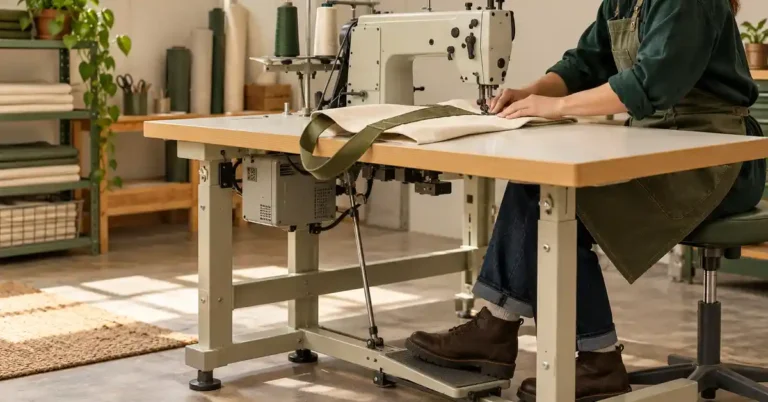
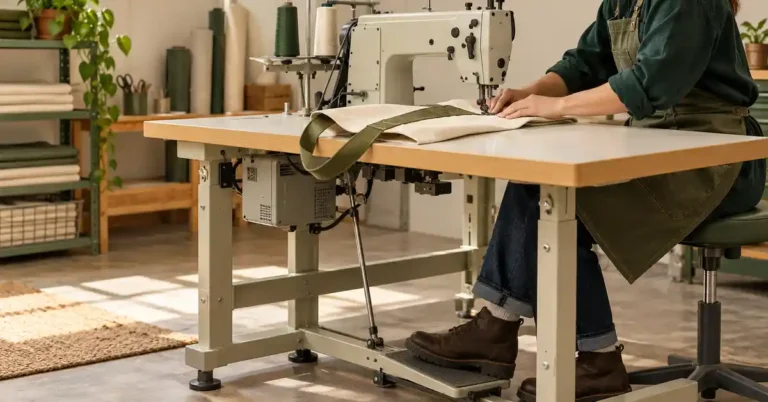
A walking foot is essential for sewing multiple layers of fabric or slippery materials. It helps to evenly feed the fabric through the machine, preventing puckering or shifting.
Open-Toe Foot
The open-toe foot allows for better visibility while sewing, making it easier to see your stitching. This foot is particularly useful for decorative stitching and appliqué work.
Gathering Foot
The gathering foot simplifies the process of gathering fabric. It creates evenly spaced gathers, reducing the time and effort needed to achieve a gathered look.
Embroidery Feet
Embroidery feet are designed for machine embroidery, allowing for intricate designs and embellishments on fabric. These feet help achieve precision and detail in your embroidery projects.
Free-Motion Embroidery Foot
This foot is essential for free-motion embroidery, where you move the fabric freely under the needle to create unique designs. It allows for creativity and artistic expression in your projects.
Embroidery Foot
The embroidery foot is designed to facilitate machine embroidery, allowing for smooth and precise stitching of designs. This foot often features a wider opening to accommodate different thread types and thicknesses.
Quilting Feet
Quilting feet are tailored for quilting projects, providing the necessary functionality to work with multiple layers of fabric.
Quarter-Inch Foot
The quarter-inch foot helps achieve precise quarter-inch seams, which are vital for quilting. This foot is especially beneficial for piecing quilt blocks accurately.
Free-Motion Quilting Foot
This foot is designed for free-motion quilting, allowing you to create intricate quilting designs. It provides the freedom to move your fabric in any direction, enabling creative quilting patterns.
Accessory Feet
Accessory feet can add a variety of capabilities to your sewing machine, enhancing your sewing versatility.
Binding Foot
A binding foot simplifies the process of attaching bias tape or binding to edges. It helps ensure a neat and professional-looking finish on quilts or garments.
Piping Foot
The piping foot is used for sewing piping into seams. It allows for precise stitching along the piping cord, giving your projects a polished look.
Conclusion
Understanding the different kinds of sewing machine feet can significantly enhance your sewing experience. By selecting the right foot for your project, you can improve your technique and achieve professional results at home. Whether you are a beginner or an experienced sewist, mastering the use of various sewing feet will open up a world of creative possibilities. Explore the options available and experiment with different techniques to elevate your sewing projects.
A: A walking foot is designed to help feed multiple layers of fabric evenly through the machine, preventing puckering and shifting, making it ideal for quilting and slippery fabrics.
A: While it is possible to use an embroidery foot for regular sewing, it is designed for specific embroidery techniques and may not provide the best results for standard sewing tasks.
A: The choice of foot depends on the technique you plan to use. Refer to your sewing machine’s manual for recommendations or consult resources for specific project instructions.
A: While some sewing machine feet are compatible with multiple brands, others are designed for specific machines. Always check compatibility before purchasing new feet.
For those interested in expanding their sewing skills, exploring projects like Naturally Beautiful Embroidery Services in Dallas, TX! can provide additional inspiration and resources. Additionally, consider checking out Naturally Beautiful Designs: Jack Dempsey Patterns Delight! or Top Fonts for Your Embroidery Machine: A Comprehensive Review for more creative ideas and tools. Lastly, if you’re looking for Best Free Embroidery Patterns for Embroidery Machine Use, or want to discover the Best Embroidery Stitch for Outlines Seamlessly, these resources are invaluable in your sewing journey.