For both novice and experienced sewers, understanding the various domestic sewing machine models available is essential for achieving the best results in their sewing projects. Whether you’re crafting garments, quilting, or engaging in embroidery, the right sewing machine can make a significant difference in your experience and outcomes. With a plethora of options on the market, this article serves as a comprehensive guide to help you navigate the world of domestic sewing machines, providing insights into their various features, capabilities, and what to consider when making a purchase.
Types of Domestic Sewing Machines
Domestic sewing machines come in various types, each designed to cater to different sewing needs and preferences. Understanding these types can help you choose the right machine for your projects.
Mechanical Sewing Machines
Mechanical sewing machines are the most basic type, typically operated with a foot pedal. They are ideal for beginners due to their simplicity and ease of use. These machines usually have fewer features but offer reliable performance for basic sewing tasks.
Electronic Sewing Machines
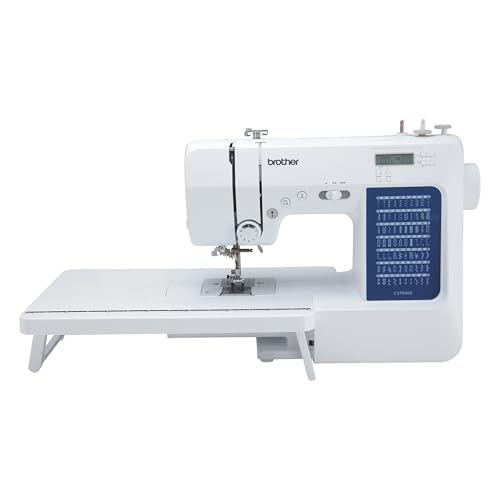
Electronic sewing machines come with additional features such as automatic stitch selection and speed control. They are more versatile than mechanical machines, making them suitable for a wider range of sewing projects. These machines often include features like built-in tutorials and LCD screens for easier navigation.
Computerized Sewing Machines
For those who want to take their sewing to the next level, computerized sewing machines offer advanced functionalities. These machines allow for intricate embroidery patterns, automatic threading, and extensive stitch options. They are ideal for experienced sewers who often work on complex projects.
Quilting Machines
Quilting machines are specifically designed for quilting enthusiasts. They usually have a larger throat space to accommodate quilts and come with features like walking feet and quilting stitches. If you plan to focus on quilting, investing in a dedicated quilting machine may be beneficial.
Embroidery Machines
Embroidery machines are specialized devices that allow for detailed embroidery designs. These machines can be standalone or combined with sewing machines. They come with pre-installed designs and the capability to import custom designs, making them perfect for creating intricate embroidered works.
Key Features to Consider
When selecting a domestic sewing machine, several key features can enhance your sewing experience. Here are some important factors to consider:
Stitch Options
Different sewing machines come with varying stitch options. Look for machines that offer a range of stitches, including straight, zigzag, and decorative stitches. This variety can expand your creative possibilities.
Throat Space
The throat space is the area between the needle and the machine body. A larger throat space is beneficial for quilting and larger projects, providing more room to maneuver fabric.
Automatic Features
Features such as automatic needle threading, bobbin winding, and stitch selection can save time and make sewing more enjoyable. Consider machines with these conveniences, especially if you plan to sew frequently.
Portability
If you plan to take your sewing machine to classes or workshops, consider its weight and whether it comes with a carrying case. Lightweight models are often easier to transport.
Price
Domestic sewing machines are available at various price points. Determine your budget and consider the features that matter most to you. Sometimes, spending a bit more can lead to a significant improvement in quality and functionality.
Top Domestic Sewing Machine Models
Here’s a look at some of the most popular domestic sewing machine models on the market, known for their reliability and features.
| Brand/Model | Type | Key Features | Price Range |
|---|---|---|---|
| Brother CS6000i | Computerized | 60 built-in stitches, LCD display, automatic needle threader | $200 – $250 |
| Janome HD3000 | Mechanical | 18 built-in stitches, heavy-duty metal frame, easy-to-use | $300 – $400 |
| Singer 9960 | Computerized | 600 built-in stitches, automatic needle threader, speed control | $300 – $500 |
| Bernina 335 | Electronic | 20 stitches, Swiss engineering, high sewing speed | $800 – $1,000 |
| Brother SE1900 | Embroidery | 138 built-in designs, large embroidery area, dual function | $700 – $900 |
Maintenance and Care of Sewing Machines
Proper maintenance is crucial for prolonging the life of your domestic sewing machine. Here are some essential tips for care:
Regular Cleaning
Dust and lint can accumulate inside your sewing machine, potentially affecting performance. Regularly clean the bobbin area and feed dogs. Use a soft brush and a lint roller to remove debris.
Oil Your Machine
Most modern sewing machines are self-lubricating, but some require occasional oiling. Consult your user manual for specific instructions on how to oil your machine safely.
Keep it Covered
When not in use, keep your sewing machine covered to protect it from dust and moisture. A protective cover or a dedicated sewing cabinet can provide a safe environment.
FAQ
A: The Brother CS6000i is often recommended for beginners due to its user-friendly features and variety of built-in stitches.
A: Look for machines with a larger throat space, quilting feet, and a variety of quilting stitches, such as the Janome HD3000.
A: If you enjoy creating custom designs and personalized projects, an embroidery machine like the Brother SE1900 can be a worthwhile investment.
A: Yes, many machines, such as the Brother SE1900, offer both sewing and embroidery capabilities, making them versatile for various projects.
In conclusion, selecting the right domestic sewing machine model is a pivotal step in enhancing your sewing journey. Whether you’re a beginner or a seasoned pro, understanding the different types of machines, their features, and maintenance requirements will lead you to make an informed choice. By investing in the right domestic sewing machine, you can unleash your creativity and enjoy the many benefits of sewing and embroidery. For those interested in embroidery, consider exploring Top Embroidery Machines for Hats, or if you need the Perfect Thread for My Embroidery Projects. For bulk projects, check out Wholesale Blank Patches for Embroidery. Happy sewing!