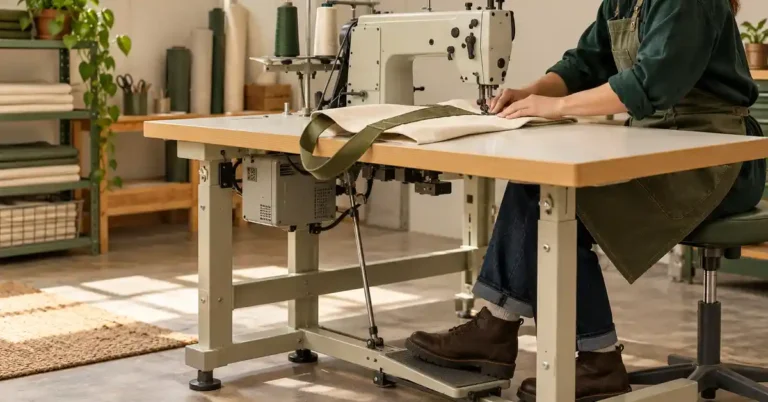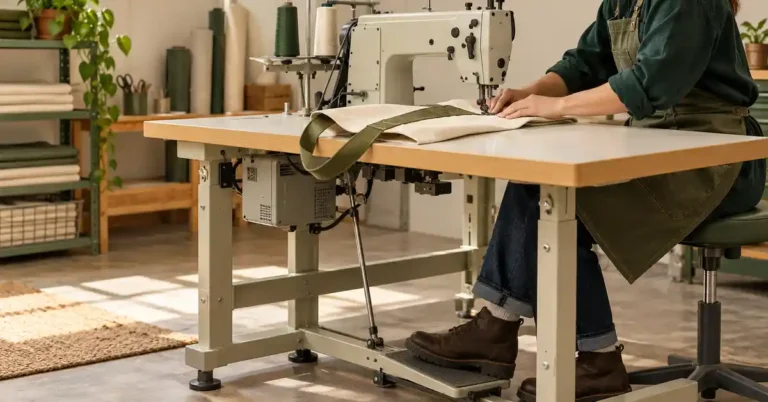
When it comes to sewing, having the right tools can make all the difference in the quality and efficiency of your projects. One such tool that has gained popularity among both beginners and seasoned sewists is the dual feed sewing machine. This versatile machine allows for smoother feeding of fabrics, particularly when working with multiple layers or slippery materials. Whether you’re sewing quilts, garments, or home decor, understanding the benefits and features of a dual feed sewing machine can elevate your sewing experience.
What is a Dual Feed Sewing Machine?
A dual feed sewing machine is designed to provide superior fabric feeding capabilities compared to standard sewing machines. It is equipped with an additional feed system that helps move the fabric from the front and back, reducing the chances of misalignment, especially with difficult fabrics like knits, silks, and multiple layers. This feature is particularly beneficial for quilting, where even fabric layers are crucial for achieving a professional finish.
Benefits of Using a Dual Feed Sewing Machine
Investing in a dual feed sewing machine can offer numerous benefits that enhance your sewing efficiency and output quality. Below are some of the primary advantages of using these machines:
Improved Stitch Quality
With even fabric feeding, stitch quality significantly improves. You’ll notice fewer puckers and better alignment, resulting in a polished final product.
Versatility Across Fabrics
Whether you’re working with delicate silks or thick denim, a dual feed sewing machine can handle it all. This versatility makes it an essential tool for those who work on various projects.
Time Efficiency
By minimizing fabric shifting and misalignment, a dual feed sewing machine allows for quicker sewing, saving you valuable time on projects.
Features to Consider When Choosing a Dual Feed Sewing Machine
When selecting a dual feed sewing machine, there are several features to consider to ensure you choose the right model for your needs. Here’s a breakdown of key features to evaluate:
Feed Mechanism
Check the type of dual feed mechanism the machine uses. Some machines have built-in dual feed capabilities, while others may require an attachment. Make sure it fits your sewing style.
Stitch Options
Look for a machine with a variety of stitch options, including straight stitches, zigzag stitches, and specialty stitches. This variety will expand your creative possibilities.
Ease of Use
Consider user-friendly features like automatic threading, adjustable presser foot pressure, and clear LCD screens. These elements can make your sewing experience more enjoyable.
Brand Reputation
Research brands and read reviews to find a reputable machine. Brands like Bernina, Babylock, and Poolin offer reliable dual feed machines that are well-reviewed by users.
How to Use a Dual Feed Sewing Machine
Using a dual feed sewing machine is generally straightforward, but understanding the specifics can help you maximize its potential. Follow these steps to get started:
Setup
Start by setting up your machine according to the manufacturer’s instructions. Ensure the dual feed mechanism is engaged if it’s an optional feature.
Choosing the Right Needle and Thread
Select a needle and thread appropriate for your fabric. For example, use a universal needle for woven fabrics and a ballpoint needle for knits.
Adjusting Tension
Before you start sewing, adjust the tension settings according to the fabric type. Testing on a scrap piece can help you find the perfect balance.
Sewing Techniques
As you sew, keep an eye on the fabric feeding. If you notice any issues, stop and adjust the fabric or tension as needed. Remember to guide the fabric gently without pulling it.
Maintenance Tips for Dual Feed Sewing Machines
Regular maintenance is essential for the longevity and performance of your dual feed sewing machine. Here are some tips to keep your machine in top shape:
Regular Cleaning
Dust and lint can build up in your machine over time, affecting performance. Regularly clean the bobbin area and feed dogs to prevent issues.
Oiling Your Machine
Consult your machine manual for guidance on oiling. Proper lubrication helps keep the moving parts functioning smoothly.
Check for Wear and Tear
Inspect your machine for any signs of wear, especially the needle and feed dogs. Replacing worn parts promptly can prevent further damage.
A: Yes, a dual feed machine is ideal for quilting as it helps maintain even fabric layers, reducing puckering and ensuring a professional finish.
A: No, not all sewing machines have a dual feed feature. It’s important to check the specifications of the model you are considering.
A: Look for a special feed mechanism or an additional foot attachment in the machine’s specifications or manual.
FAQ
A: Dual feed sewing machines are great for quilting, garment sewing, and any project that involves multiple layers or tricky fabrics.
A: Yes, while they may be more expensive, the benefits in terms of ease of use and stitch quality can make them worthwhile for beginners.
Conclusion
A dual feed sewing machine is an invaluable tool for both novice and experienced sewists. Its ability to handle a variety of fabrics and provide consistent stitch quality can enhance your sewing projects significantly. By understanding its features, benefits, and proper usage, you can make the most of this versatile machine. Whether you’re creating custom garments or intricate quilts, investing in a dual feed sewing machine could be one of the best decisions you make for your sewing endeavors.
For those interested in expanding their sewing capabilities, consider exploring other tools like the Bernina B700 Embroidery Machine or the Poolin Embroidery Machine. And if you’re looking to add some unique designs to your projects, check out our ‘J’ Embroidery Design for inspiration!