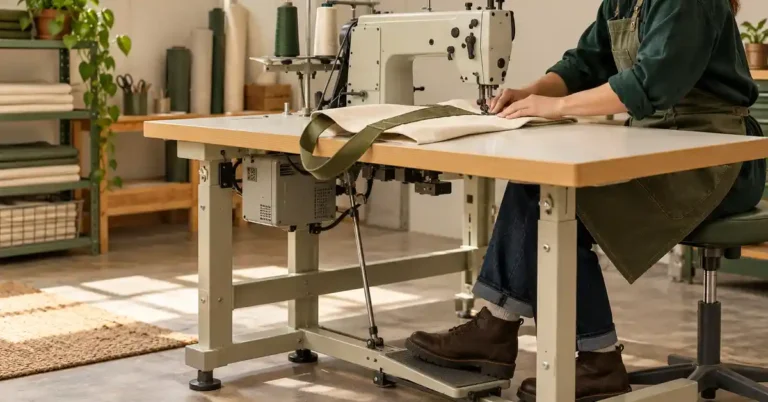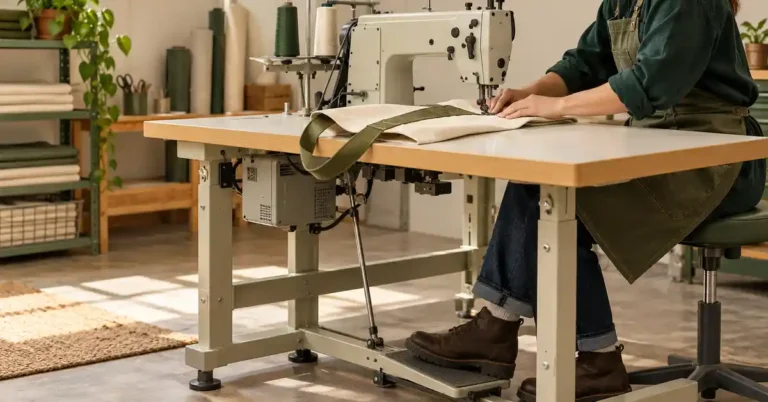

Sewing enthusiasts often find themselves enamored with the precision and creativity that come with using an Elna sewing machine. However, like any piece of machinery, these machines can experience issues over time. Understanding how to properly maintain and repair your Elna sewing machine can save you both time and money while ensuring your sewing projects continue to flourish. This article delves into the ins and outs of Elna sewing machine repair, providing you with practical tips, troubleshooting advice, and a comprehensive guide to keeping your machine in top shape.
Common Issues with Elna Sewing Machines
Even the most reliable Elna sewing machines can encounter common issues that may disrupt your sewing workflow. Here are some of the most frequent problems users face:
Thread Jamming
Thread jamming is one of the most common issues faced by sewing machine users. It can happen due to improper threading, a dirty machine, or using the wrong type of thread.
Skipped Stitches
Skipped stitches can occur for various reasons, including a dull needle, improper needle size, or incorrect tension settings.
Machine Not Sewing
If your Elna sewing machine isn’t sewing at all, it could be due to a power issue, a faulty foot pedal, or a problem with the machine’s internal components.
Basic Troubleshooting Steps
Before seeking professional repair services, try these basic troubleshooting steps to resolve common issues with your Elna sewing machine:
Check the Power Supply
Ensure that your machine is properly plugged in and that the outlet is functioning. If the machine does not power on, test it with a different outlet or check the power cord for damage.
Re-thread the Machine
Incorrect threading is a common cause of many sewing machine issues. Remove the thread and re-thread the machine according to the instructions in your user manual.
Inspect the Needle
Check if the needle is bent, dull, or incorrectly installed. Replace the needle if necessary, ensuring it is the correct type and size for your project.
Clean the Machine
Regular cleaning can prevent many issues. Remove lint and debris from the bobbin area and feed dogs using a soft brush or compressed air.
Maintenance Tips for Elna Sewing Machines
Regular Cleaning
It’s important to regularly clean your sewing machine, especially after large projects or after using heavy fabrics. Dust and lint can accumulate and affect performance.
Oil the Machine
Refer to the user manual to determine when and how to oil your machine. Proper lubrication can help keep the moving parts functioning smoothly.
Use the Right Needles and Thread
Always use high-quality needles and thread that are suitable for your specific sewing project. This can reduce wear and tear on your machine and improve stitch quality.
Store Properly
When not in use, cover your machine with a dust cover to protect it from dust and debris. Store it in a dry, cool place away from direct sunlight.
When to Seek Professional Help
While many minor issues can be resolved with basic troubleshooting, some problems may require professional assistance. Here are signs that it’s time to call in the experts:
Persistent Issues
If you’ve attempted troubleshooting but the problem persists, it may indicate a more serious issue that requires professional repair.
Unusual Noises
If your machine starts making unusual noises, it could be a sign of internal damage or a need for lubrication. Don’t ignore these sounds, as they may worsen over time.
Electrical Problems
Any issues related to the electrical components of your sewing machine, such as flickering lights or a malfunctioning foot pedal, should be addressed by a professional technician.
A: It’s recommended to clean your machine after every large project or every 8-10 hours of sewing to prevent lint buildup.
A: Use only sewing machine oil recommended in your user manual to avoid damaging the machine.
Frequently Asked Questions
A: Many common issues can be resolved through troubleshooting. However, for complex problems, it’s best to consult a professional.
A: Repair time can vary depending on the issue. Simple repairs may take a few hours, while more complex repairs could take several days.
A: If the machine holds sentimental value or is a high-quality model, it may be worth repairing. However, compare the repair costs to the price of a new machine.
In conclusion, understanding the basics of Elna sewing machine repair can empower you as a sewing enthusiast. By performing regular maintenance, troubleshooting common issues, and recognizing when to seek professional help, you can keep your sewing machine running smoothly. Investing time in learning about your Elna sewing machine’s needs will not only enhance your crafting experience but also ensure that your projects turn out beautifully. Remember, whether you’re working on a stylish medical jacket with custom embroidery or exploring quilting and embroidery options, a well-maintained machine is key to achieving fantastic results.