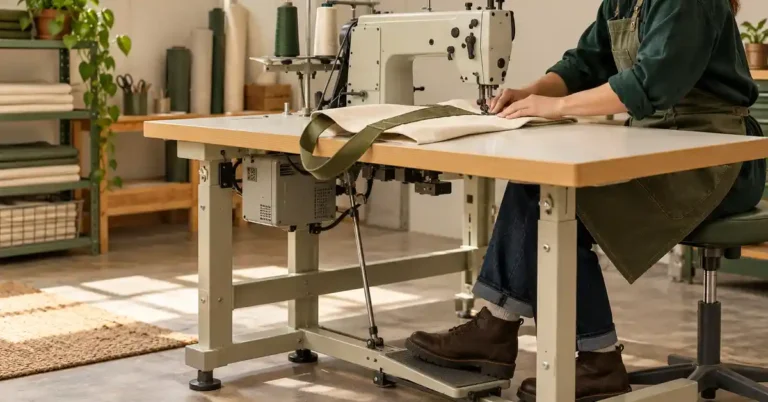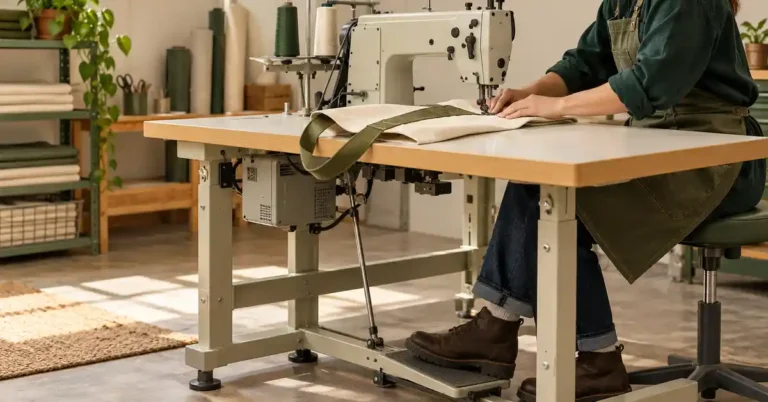
Embroidery has long been a cherished craft, transforming plain fabrics into stunning works of art. While many crafters envision specialized embroidery machines for their projects, it’s entirely possible to create beautiful embroidery using a regular sewing machine. With the right techniques, tools, and a sprinkle of creativity, your sewing machine can become a powerful tool for all your embroidery needs. Whether you’re enhancing a simple garment or adding intricate designs to home decor, this guide will walk you through everything you need to know about embroidery on a regular sewing machine.
Understanding Embroidery
Embroidery is more than just a decorative technique; it’s a form of artistic expression. Traditionally, embroidery involves stitching designs onto fabric using specialized threads and techniques. On a regular sewing machine, you can replicate many of these designs with a little creativity and adaptability. Understanding the different embroidery styles, such as free-motion embroidery, decorative stitches, and machine embroidery, will help you decide which method best suits your projects.
Preparing Your Machine
Before you start, it’s crucial to prepare your sewing machine for embroidery. Here are some steps to follow:
Cleaning and Maintenance
Ensure your sewing machine is clean and well-maintained. Dust and lint can affect the performance of your machine. Regularly clean the bobbin area and the feed dogs to avoid any interruptions during sewing.
Choosing the Right Stitch Settings
For embroidery, you may need to adjust your stitch length and width. Many sewing machines have built-in decorative stitches that can be used for basic embroidery. Experiment with different settings to see which ones create the best effects.
Choosing the Right Fabric for Embroidery
The fabric you choose can greatly affect the outcome of your embroidery. Here are some popular fabric types suitable for embroidery:
| Fabric Type | Characteristics | Best For |
|---|---|---|
| Cotton | Soft, versatile, and easy to work with | General embroidery projects |
| Denim | Durable and thick | Stylish designs on bags and clothing |
| Canvas | Sturdy and strong | Home decor projects like pillow covers |
| Silk | Luxurious and delicate | Elegant embroidery on garments |
Techniques for Embroidery on a Regular Sewing Machine
There are several techniques you can use to create embroidery with your sewing machine:
Free-Motion Embroidery
This technique allows you to move the fabric freely under the needle, creating intricate designs. It requires a free-motion foot and some practice to master. Start with simple shapes and gradually move to more complex designs.
Using Built-in Decorative Stitches
Many modern sewing machines come with built-in decorative stitches that can be used for embroidery. Choose a stitch you like, adjust the settings, and let the machine do the work.
Appliqué Embroidery
This method involves sewing a piece of fabric onto your main fabric, often used to create shapes or letters. It can add dimension and texture to your projects.
Stabilizers and Their Importance
Using a stabilizer is essential when embroidering on a regular sewing machine. It helps to keep the fabric stable and prevents distortion. Here are the main types of stabilizers:
- Cut-Away Stabilizer: Best for knit fabrics and designs with dense stitching.
- Wash-Away Stabilizer: Ideal for delicate fabrics and intricate designs.
- Iron-On Stabilizer: Great for lightweight fabrics to provide temporary support.
Embroidery Threads and Needles
Choosing the right thread and needle is vital for successful embroidery. Here are some recommendations:
Embroidery Thread
Opt for high-quality embroidery threads that are specifically designed for machine use. Polyester threads are popular due to their durability and vibrant colors, while rayon threads offer a beautiful sheen.
Needle Selection
Use a needle designed for embroidery, typically a larger eye to accommodate the thicker thread. Common sizes include 75/11 and 90/14. If you’re working with dense fabrics, consider using a heavier needle.
Finishing Your Projects
Once your embroidery is complete, take the time to finish your project properly. This includes:
Trimming Threads
Carefully trim any excess threads to give your project a clean look. Be cautious not to cut the main stitches.
Washing and Ironing
Follow the care instructions for your fabric. Most embroidered items can be gently washed and ironed. Use a pressing cloth to protect the embroidery when ironing.
Adding Final Touches
Consider adding embellishments or additional stitching to enhance your design further. This could include beads, sequins, or additional decorative stitches.
Frequently Asked Questions
A: Yes, you can use any regular sewing machine for basic embroidery techniques, but ensure it has the necessary features like adjustable stitch length and width.
A: Polyester thread is highly recommended for machine embroidery due to its strength and color fastness, while rayon thread is also an excellent choice for its sheen.
A: Yes, a free-motion foot is essential for this technique as it allows you to move the fabric freely under the needle.
A: Use the appropriate stabilizer, ensure your thread tension is correct, and avoid pulling the fabric while sewing.
A: Yes, but it’s best to use a cut-away stabilizer to prevent distortion and choose a needle and thread suitable for knits.
Embroidery on a regular sewing machine opens up a world of creative possibilities. With the right preparation, materials, and techniques, you can produce stunning designs that rival those made with specialized machines. Whether you’re looking to embellish clothing, create unique gifts, or design home decor items, your sewing machine can be a versatile tool in your crafting arsenal. For more insights on embroidery, check out Cross Stitching vs Embroidery: My Honest Take and discover more about Top Sewing & Embroidery Combo Machines.
In conclusion, mastering embroidery on a regular sewing machine requires practice, patience, and a willingness to experiment. By following the tips and techniques outlined in this article, you’ll be well on your way to creating beautiful embroidered pieces that showcase your unique style and creativity. Happy sewing!