Embroidery on a sewing machine has become a popular craft that marries technology with creativity, allowing enthusiasts of all skill levels to produce intricate designs with relative ease. Whether you’re looking to add a personal touch to your garments, create beautiful home décor, or even start a small business, understanding the nuances of machine embroidery can open a world of possibilities. This guide will take you through everything you need to know about embroidery on sewing machines, from selecting the right equipment to mastering techniques and troubleshooting common issues.
Understanding Machine Embroidery
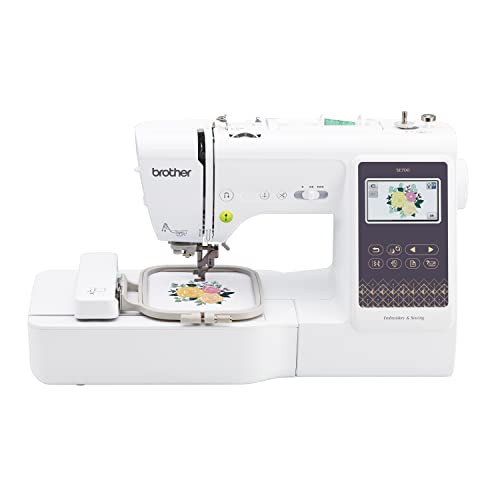
Machine embroidery involves using a sewing machine to create decorative designs on fabric. It can be done using specialized embroidery machines or with sewing machines that have embroidery functions. These machines utilize patterns that can be digitized and transferred to the machine, allowing for precise and consistent designs.
The Benefits of Machine Embroidery
- Time Efficiency: Machine embroidery can save time compared to hand embroidery.
- Consistency: Machines provide uniformity, ensuring each design is identical.
- Complex Designs: Easily create intricate patterns that would be difficult to replicate by hand.
Types of Machine Embroidery
There are several types of machine embroidery techniques, including:
- Free-Motion Embroidery: This technique allows for more artistic freedom, as the sewer guides the fabric manually.
- Digitized Embroidery: Designs are created on a computer and then transferred to the machine.
- Appliqué Embroidery: Involves stitching a piece of fabric onto a larger piece, creating layered designs.
Choosing the Right Sewing Machine for Embroidery
Selecting the right sewing machine is crucial for successful embroidery. Here are some factors to consider:
| Feature | Importance |
|---|---|
| Embroidery Capability | Must have a built-in embroidery feature or be a dedicated embroidery machine. |
| Hoop Size | Larger hoops allow for bigger designs; choose based on your project needs. |
| Built-in Designs | Some machines come with preloaded designs, which can save time. |
| Software Compatibility | Check if the machine can connect to embroidery software for custom designs. |
Essential Tools and Materials
To embark on your embroidery journey, you’ll need a few essential tools and materials:
Basic Tools
- Embroidery Machine: A reliable machine that fits your needs.
- Embroidery Hoops: These hold the fabric taut while you stitch.
- Stabilizers: Used to support the fabric and prevent distortion.
- Threads: Choose high-quality embroidery threads for vibrant designs.
Fabrics for Embroidery
Different fabrics can yield different results. Here are some popular choices:
- Cotton: Versatile and easy to work with.
- Denim: Great for sturdy designs but may require a stronger needle.
- Fleece: Soft and warm but can be tricky; use the right stabilizer.
Embroidery Techniques
Once you have your machine and materials, it’s time to dive into some techniques:
Setting Up Your Machine
Before you start stitching, ensure your machine is set up correctly:
- Thread the machine according to the manufacturer’s instructions.
- Attach the appropriate embroidery foot.
- Load your design into the machine, ensuring it’s properly aligned in the hoop.
Stitching Techniques
Some common stitching techniques include:
- Satin Stitch: Provides a smooth finish, great for outlines.
- Fill Stitch: Used for larger areas, creating a textured look.
- Running Stitch: Simple and effective for detailing and outlines.
Using Embroidery Software
Embroidery software allows you to create custom designs or modify existing ones. Key features often include:
- Design creation tools.
- Editing capabilities for resizing and adjusting designs.
- File format conversion for compatibility with your machine.
Troubleshooting Common Issues
Even the most skilled embroiderers encounter challenges. Here are some common issues and how to resolve them:
Thread Bunching
This can occur when the thread tension is too loose or the wrong type of thread is used. To fix this:
- Check your thread tension settings.
- Use the appropriate thread for your machine.
Skipped Stitches
Skipped stitches often happen due to improper needle selection or thread issues. To resolve this:
- Ensure you’re using the correct needle for your fabric type.
- Replace old or damaged needles regularly.
Fabric Distortion
If your fabric is distorting during embroidery, it may be due to insufficient stabilizer. To prevent this:
- Use the right type and weight of stabilizer for your fabric.
- Hoop your fabric and stabilizer together tightly.
Creative Projects to Try
Now that you’re familiar with the basics, here are some creative project ideas to inspire you:
Custom Apparel
Embellish t-shirts, jackets, or hats with personalized designs. Consider using the Naturally Impressive Custom Lids Embroidery Designs for unique touches.
Home Décor
Transform items like pillowcases, curtains, and table runners into works of art. The Beautiful Blouse Embroidery Designs can also inspire your home projects.
Gifts and Accessories
Create custom gifts for friends and family, such as monogrammed towels or personalized bags. These handmade items add a special touch to any occasion.
FAQ
A: Yes, if it has an embroidery function. However, a dedicated embroidery machine is recommended for best results.
A: Polyester thread is often preferred due to its strength and vibrant colors, but cotton thread can be used for a more natural look.
A: The type of stabilizer depends on your fabric and design details. Generally, a tear-away stabilizer is good for most projects, while a cut-away stabilizer is ideal for stretch fabrics.
In conclusion, embroidery on a sewing machine is a rewarding craft that combines technology and creativity. By understanding the fundamentals, selecting the right tools, and practicing various techniques, you can elevate your sewing projects to new heights. Whether you’re enhancing your wardrobe, creating beautiful home décor, or starting a business, the possibilities are limitless. So, gather your materials, fire up your machine, and let your creativity shine!