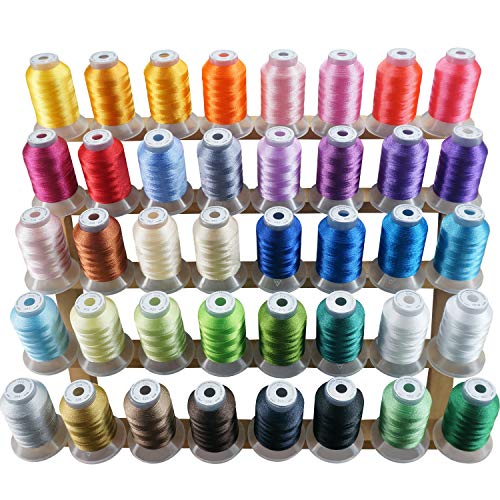

Embroidery has long been a cherished craft, allowing creators to add intricate designs and personalization to fabric. In recent years, machine embroidery has gained immense popularity, making the art accessible to hobbyists and professionals alike. One of the most crucial elements that can make or break your embroidery project is the thread you choose. With a plethora of options available, understanding the nuances of embroidery thread for machines is essential for achieving stunning and durable results.
Types of Embroidery Thread
Choosing the right type of embroidery thread is the first step toward creating beautiful designs. The most common types include:
Polyester Thread
Polyester thread is a popular choice among embroiderers due to its durability and vibrant color options. It is resistant to fading and shrinking, making it suitable for various fabrics, especially those that will be washed frequently.
Rayon Thread
Rayon thread is known for its shiny finish and smooth texture, which gives embroidery designs a luxurious appearance. However, it is less durable than polyester and can fade over time, making it best suited for garments that won’t undergo heavy washing.
Cotton Thread
Cotton thread is often used for quilting and embroidery on natural fabrics. It offers a matte finish and is ideal for projects that require a more traditional look. Keep in mind that cotton thread may not be as strong as polyester or rayon.
Metallic Thread
Metallic thread adds a touch of elegance and sparkle to any design. However, it can be tricky to work with since it tends to fray and break easily. Using a needle specifically designed for metallic threads can help mitigate these issues.
Thread Weight and Compatibility
The weight of the thread plays a significant role in the final outcome of your embroidery. Thread weight is typically measured in denier or tex. A lower number indicates a finer thread, while a higher number denotes a thicker thread. Understanding thread weight will help you select the appropriate thread for your machine and fabric.
Standard Weights
| Thread Type | Weight (Denier) | Recommended Needle Size |
|---|---|---|
| Polyester | 40 | 75/11 or 80/12 |
| Rayon | 40 | 75/11 or 80/12 |
| Cotton | 30 | 80/12 or 90/14 |
| Metallic | 40 | 90/14 |
When selecting thread weight, consider the fabric type and the design complexity. Thicker threads may be suitable for bold designs, while finer threads work best for delicate details.
Color Selection
Color selection can significantly impact the overall aesthetic of your embroidery projects. When choosing colors, consider the following:
Color Theory
Understanding basic color theory can help you create harmonious designs. Complementary colors (those opposite each other on the color wheel) can create vibrant contrasts, while analogous colors (those next to each other) can produce a more subtle and cohesive look.
Colorfastness
Ensure the thread you choose is colorfast, especially if the finished product will be washed frequently. Polyester threads typically offer better colorfastness than rayon threads.
Color Matching
If you are embroidering on colored fabrics, consider matching your thread color to the fabric for a seamless look. Alternatively, you can choose contrasting colors for a more striking design.
Thread Care and Maintenance
Proper care and maintenance of your embroidery thread can extend its lifespan and ensure the best results in your projects. Here are some essential tips:
Storage
Store your thread in a cool, dry place away from direct sunlight to prevent fading and deterioration. Consider using clear bins or thread organizers to keep your threads untangled and easily accessible.
Humidity Control
Excess humidity can cause thread to fray or break. If you live in a humid environment, consider using a dehumidifier in your sewing space.
Pre-Washing
For cotton threads, pre-washing them before use can help remove any sizing or chemicals that may affect their performance during embroidery.
Common Embroidery Thread Brands
When it comes to choosing embroidery thread, not all brands are created equal. Here are some reputable brands known for their quality:
Isacord
Isacord is a popular choice among professional embroiderers due to its high tensile strength and wide range of colors. It is made from 100% polyester and is known for its durability.
Robison-Anton
Robison-Anton offers both polyester and rayon threads and is known for vibrant color options and excellent colorfastness. Their threads are suitable for various embroidery applications.
Maderia
Maderia is known for its premium quality threads and offers a wide selection of colors in polyester and rayon. Their threads are highly regarded in the embroidery community for their performance.
Sulky
Sulky threads are popular for both machine and hand embroidery, offering a variety of specialty threads, including metallic and variegated options.
Frequently Asked Questions
A: The best type of thread for machine embroidery is polyester thread due to its durability and colorfastness. Rayon is also a good option for its sheen, but it may not be as durable.
A: While you can use regular sewing thread, it’s not recommended for machine embroidery as it may not have the strength or sheen needed for quality designs.
A: Ensure you are using the correct needle size for your thread, maintain proper tension, and avoid using old or damaged threads to prevent breakage.
A: Yes, matching the thread weight with the appropriate needle size is crucial to avoid issues such as skipped stitches or thread breakage.
Conclusion
Choosing the right embroidery thread for your machine is vital for the success of your projects. By understanding the different types of threads, their weights, and how to care for them, you can ensure that your embroidery is not only beautiful but also durable. Whether you prefer the sheen of rayon, the strength of polyester, or the charm of cotton, the right thread can elevate your designs and make your sewing projects a joy. So, gear up with the best threads available, and let your creativity flow!
For more insights into sewing and embroidery, check out our resources on Husqvarna Sewing & Embroidery: A Crafter’s Dream!, or discover Finally Found the Best Bernina Sewing Machine! for your next project.