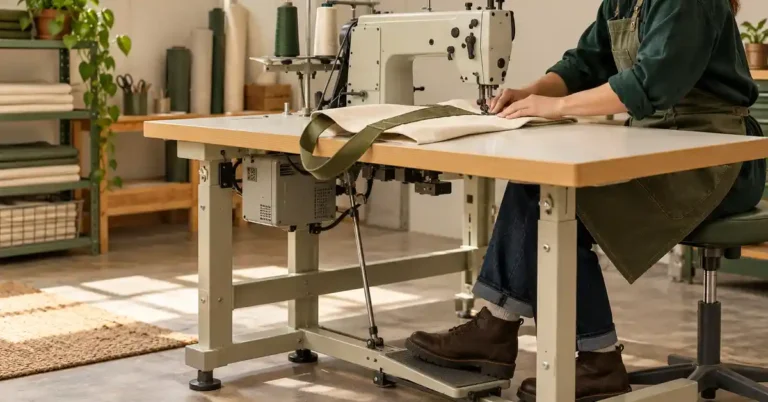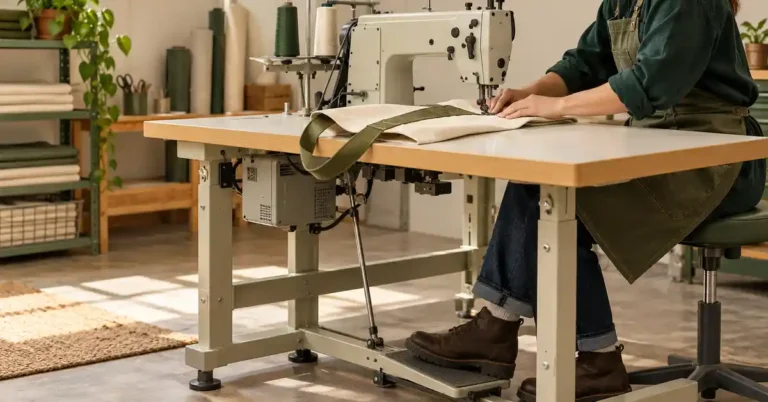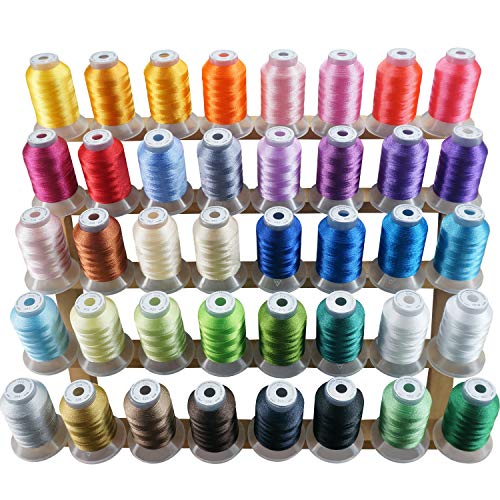

Embroidery is a delightful way to add a personal touch to fabrics, whether you’re creating custom gifts, enhancing your home decor, or expressing your artistic flair. However, to achieve the best results, it’s essential to choose the right embroidery thread for your sewing machine. With a plethora of options available, understanding the differences in thread types, weights, and materials can help you make informed choices that elevate your projects. This article will explore everything you need to know about embroidery thread for sewing machines, ensuring you have the right tools to unleash your creativity.
Embroidery Thread Types
When selecting embroidery thread for your sewing machine, understanding the different types available is crucial. The primary types include:
- Rayon: Known for its vibrant colors and sheen, rayon thread is popular for machine embroidery. It drapes beautifully and adds a luxurious finish to your projects.
- Polyester: This thread is durable and colorfast, making it an excellent choice for projects that require washing or heavy use. Polyester threads are less prone to fading and breakage.
- Cotton: Cotton threads, while not as shiny as rayon or polyester, provide a more traditional look and feel. They are ideal for quilting and projects where a matte finish is preferred.
- Metallic: Metallic threads are used to add a touch of sparkle and shine to embroidery. They require careful handling and are best used with specialized needles to avoid breakage.
Understanding Thread Weight
Thread weight refers to the thickness of the thread, which can affect the look and feel of your embroidery. The most common weights for embroidery threads are:
| Thread Weight | Common Uses | Recommended Needle Size |
|---|---|---|
| 30 wt | Heavier designs, decorative stitching | 90/14 |
| 40 wt | Standard embroidery, quilting | 75/11 or 80/12 |
| 50 wt | Fine details, lightweight fabrics | 70/10 or 75/11 |
Materials Used in Embroidery Threads
The material of your embroidery thread plays a significant role in its performance and the final appearance of your work. Here’s a deeper look into the common fibers:
- Rayon: Made from regenerated cellulose, rayon threads are soft and lustrous. They have a beautiful drape and are suitable for most embroidery projects.
- Polyester: Synthetic polyester threads are strong, resistant to fading, and ideal for commercial use. They maintain their color vibrancy even after multiple washes.
- Cotton: Natural cotton threads are breathable and absorb moisture. They are less prone to static, making them easier to use in humid conditions.
Choosing the Right Colors
Color selection is a critical step in the embroidery process. The right colors can enhance the visual appeal of your project, while poor choices can detract from it. Here are some tips for selecting colors:
- Color Wheel: Use a color wheel to understand color relationships—complementary colors can create striking contrasts, while analogous colors can provide harmony.
- Fabric Color: Consider the color of your fabric when choosing thread. Lighter fabrics may require darker threads for visibility and vice versa.
- Test Swatches: Always test your color choices on a swatch to see how they look when stitched, as colors may appear differently once applied.
Compatibility with Sewing Machines
Not all threads are compatible with every sewing machine. Here are some considerations to ensure your embroidery thread works well with your machine:
- Needle Size: Always match the needle size to the thread weight. Heavier threads require larger needle sizes to prevent breakage.
- Thread Tension: Adjust the tension settings on your machine according to the thread type you are using. Rayon threads typically need lower tension than polyester threads.
- Bobbin Thread: Use a compatible bobbin thread to avoid complications. For instance, use a lighter bobbin thread if you are using heavy top thread for a smoother finish.
Caring for Your Embroidery Thread
Proper care of your embroidery thread can extend its life and maintain its quality. Here are some essential care tips:
- Storage: Store threads in a cool, dry place away from direct sunlight to prevent fading and degradation.
- Humidity Control: High humidity can cause threads to tangle or become moldy. Consider using silica gel packets in your storage area to absorb moisture.
- Regular Checks: Periodically check your threads for fraying or damage, especially if they have been stored for a long time without use.
Frequently Asked Questions
A: Polyester thread is often recommended for beginners due to its durability and resistance to fading. It is also generally easier to work with than rayon.
A: While you can use regular sewing thread, it may not provide the same sheen or finish as specialized embroidery threads. Using the right thread can significantly improve the quality of your work.
A: Ensure you are using the correct needle size and type for your thread and fabric. Adjusting the tension settings on your machine can also help prevent breakage.
A: Yes, using a stabilizer helps to support the fabric and prevent puckering. The type of stabilizer will depend on the fabric and thread you are using.
In conclusion, understanding the intricacies of embroidery thread for sewing machines is crucial for achieving stunning results in your projects. From selecting the right type and weight to ensuring compatibility with your machine, every aspect plays a role in the quality of your work. With this knowledge, you can confidently embark on your embroidery journey, creating beautiful pieces that reflect your personal style and creativity. Whether you’re working on a cherished gift, like those featured in Gifted this once, now it’s a Mother’s Day tradition!, or crafting festive decorations like Stitch Joy: Adorable Christmas Ornament Designs!, the right embroidery thread will make all the difference.
For those looking to invest in a dependable machine, check out the Brother V3 Embroidery Machine: A Game-Changer for Crafters! or read our Review: brother se630 embroidery machine to find the perfect fit for your needs. If you are interested in free motion techniques, consider our guide on the Unlock Creativity: Best Free Motion Embroidery Machine Review.