Embroidery with a sewing machine has transformed the way enthusiasts and professionals alike create intricate designs on fabric. No longer confined to hand-stitched techniques, machine embroidery offers precision, speed, and a plethora of design options that can elevate any sewing project. Whether you’re looking to personalize gifts, create unique home décor, or enhance your fashion pieces, mastering machine embroidery can be a rewarding experience. This guide will delve into the essentials of embroidery with a sewing machine, providing helpful insights, tips, and resources to get you started on your embroidery journey.
What is Machine Embroidery?
Machine embroidery involves using a sewing machine to stitch designs onto fabric. Unlike traditional embroidery, where designs are created by hand, machine embroidery utilizes a computerized system that can replicate intricate patterns and designs with remarkable precision. This method not only saves time but also allows for consistent results across multiple projects. Machine embroidery is commonly used in commercial applications, such as branding apparel, creating decorative items, and producing personalized gifts.
Types of Embroidery Machines
When it comes to machine embroidery, there are several types of machines available, each designed for different needs and budgets. Understanding the differences can help you choose the right machine for your embroidery projects.
1. Home Embroidery Machines
These machines are designed for hobbyists and small businesses. They often feature built-in designs and can handle various fabric types. Some popular models include:
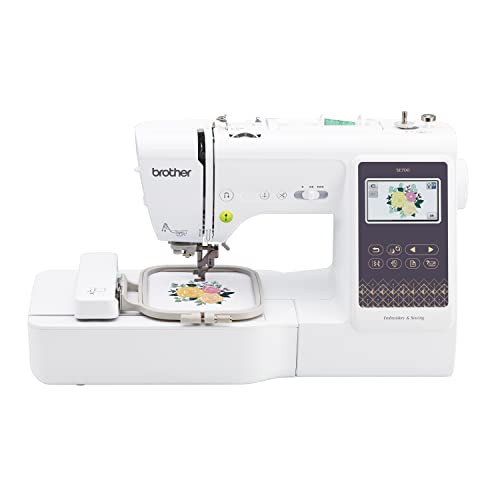
- Brother SE700
- Singer EM200
2. Commercial Embroidery Machines
Commercial machines are intended for larger operations and can handle higher volumes of work. They come with advanced features like multi-needle capabilities and larger embroidery areas, making them suitable for professional use.
3. Combo Machines
Combo machines can function as both sewing and embroidery machines, providing a good balance for those who want to do both without investing in two separate machines.
How to Get Started with Machine Embroidery
Getting started with machine embroidery is an exciting journey. Here are the essential steps you need to follow:
1. Choose Your Machine
Research and choose an embroidery machine that fits your needs. Consider factors such as budget, features, and ease of use. For a detailed review of a popular model, check out our guide on the Brother SE700 Embroidery Machine.
2. Learn the Basics
Familiarize yourself with the machine’s functions and settings. Read the manual and watch online tutorials to understand how to thread the machine, select designs, and adjust settings for different fabrics.
3. Practice Basic Stitches
Before diving into complex designs, practice basic stitches and techniques to build your confidence and skill level.
Choosing the Right Supplies
Having the right supplies is crucial for successful machine embroidery. Here’s a breakdown of the essentials:
| Supply | Description |
|---|---|
| Embroidery Threads | Specialized threads designed for machine embroidery, available in various colors and types. |
| Stabilizers | Materials used to support the fabric during embroidery, helping to prevent puckering and distortion. |
| Hoops | Frames that hold your fabric taut while the embroidery machine stitches the design. |
| Design Software | Programs that allow you to create or edit embroidery designs before sending them to the machine. |
Design Selection and Preparation
Choosing the right design is a key element of successful machine embroidery. Here are some tips to guide you:
1. Selecting Designs
There are countless embroidery designs available online, ranging from free resources to premium collections. Websites like Etsy and specialized embroidery design platforms offer a variety of options.
2. Formatting Designs
Make sure the design is in a compatible format for your embroidery machine. Common file types include DST, PES, and JEF. You may need to use embroidery software to convert files.
3. Preparing Your Fabric
Pre-wash and iron your fabric to remove any wrinkles or impurities. This will help ensure a smooth embroidery process.
Techniques and Tips for Successful Embroidery
Mastering machine embroidery requires practice and attention to detail. Here are some techniques and tips to enhance your skills:
1. Thread Tension
Proper thread tension is crucial for achieving clean and professional-looking stitches. Adjust the upper and bobbin tension as needed, and perform tests to ensure the tension is balanced.
2. Use Stabilizers Wisely
Choosing the right stabilizer for your fabric type will greatly impact the outcome of your embroidery. Use tear-away, cut-away, or water-soluble stabilizers based on your project requirements.
3. Regular Maintenance
Keep your machine in top shape by regularly cleaning and oiling it according to the manufacturer’s instructions. This will prolong the life of your machine and ensure optimal performance.
Troubleshooting Common Issues
Even with the best preparation, issues can arise during machine embroidery. Here are some common problems and solutions:
| Issue | Solution |
|---|---|
| Puckering | Check your stabilizer and thread tension; use a higher-quality stabilizer if needed. |
| Thread Breakage | Ensure the thread is properly threaded, and check for any obstructions in the machine or damaged thread. |
| Skipped Stitches | Change the needle and ensure it is the correct type for your fabric; also, check the tension settings. |
FAQ
A: Not all sewing machines are designed for embroidery. Look for a machine specifically labeled for embroidery or a combo machine that includes embroidery functions.
A: Use embroidery-specific threads, such as rayon or polyester, which are designed to withstand the tension of machine stitching and provide a beautiful finish.
A: You can embroider on a wide range of fabrics, including cotton, denim, and even silk. Make sure to choose the right stabilizer for the fabric type.
Conclusion
Embroidery with a sewing machine opens up a world of creative possibilities. By understanding the basics of machine embroidery, selecting the right tools and materials, and practicing various techniques, you can create stunning designs that enhance your personal and professional projects. Whether you are a beginner or looking to refine your skills, the tips and resources shared in this guide will help you embark on your machine embroidery journey with confidence.
For further insights, consider exploring our reviews on the Singer EM200 and learn about affordable used hat embroidery machines to expand your crafting possibilities. Happy embroidering!