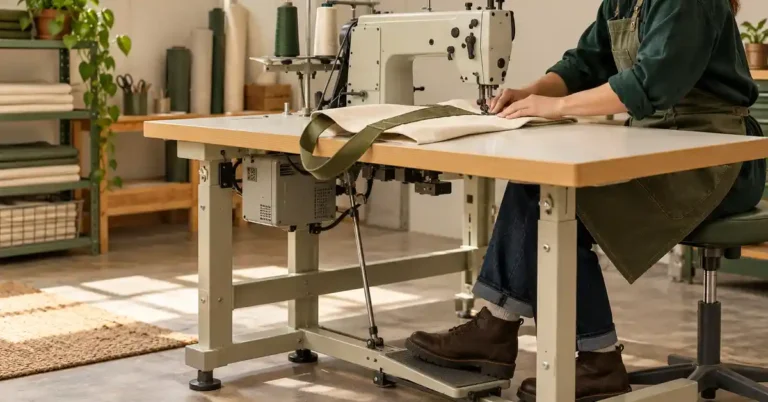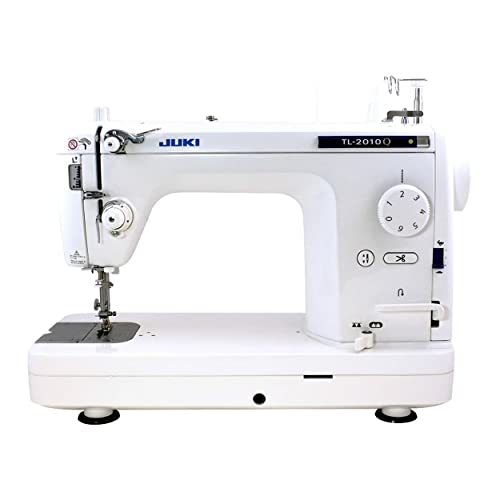
Sewing enthusiasts know that a reliable sewing machine is essential for any project, and Juki sewing machines are among the top choices for both beginners and seasoned professionals. However, like any mechanical device, they can experience issues that require repair. Understanding how to troubleshoot and repair your Juki sewing machine can help you save time and money, ensuring that your creative flow is uninterrupted. In this article, we will cover common problems, maintenance tips, and repair strategies for Juki sewing machines, providing you with the knowledge you need to keep your machine in peak condition.
Common Issues with Juki Sewing Machines
Juki sewing machines are known for their durability and performance. However, they can encounter a variety of issues over time. Here are some of the most common problems users might face:
Thread Tension Problems
Improper thread tension can lead to a variety of sewing issues, from uneven stitches to thread breakage. It’s important to regularly check and adjust the tension settings on your machine.
Needle Issues
Using the wrong type of needle or a dull needle can affect your sewing quality. Always ensure you’re using the correct needle for your fabric type.
Bobbin Problems
Issues with the bobbin can lead to thread jams or inconsistent stitching. Check to ensure the bobbin is correctly inserted and wound.
Machine Jamming
Jamming can occur for various reasons, including tangled threads or misaligned components. Regularly check your machine for any obstructions.
| Common Issue | Possible Cause | Solution |
|---|---|---|
| Thread Tension Problems | Incorrect tension settings | Adjust tension according to fabric type |
| Needle Issues | Dull or incorrect needle | Replace with the correct type of needle |
| Bobbin Problems | Incorrectly wound or inserted bobbin | Rewind and reinsert the bobbin |
| Machine Jamming | Tangled threads or obstructions | Clear any tangles and check for blockages |
Maintenance Tips for Juki Sewing Machines
Regular maintenance is key to keeping your Juki sewing machine in optimal working order. Here are some essential maintenance tips:
Regular Cleaning
Dust and lint can accumulate in your sewing machine over time, affecting its performance. Regular cleaning can prevent this buildup.
Oiling the Machine
Proper lubrication is crucial for the smooth operation of your sewing machine. Refer to your manual for the recommended oiling points.
Checking Cables and Connections
Inspect the power cords and foot pedal connections regularly. Any frays or damages can create safety hazards and operational issues.
Using Quality Supplies
Investing in high-quality threads, needles, and fabrics can significantly enhance your sewing experience and reduce wear and tear on your machine.
Repair Strategies for Juki Sewing Machines
When your Juki sewing machine encounters a problem, knowing some basic repair strategies can be incredibly helpful.
Troubleshooting Steps
Before attempting to repair your machine, follow these troubleshooting steps:
- Turn off the machine and disconnect it from the power source.
- Check for any visible obstructions or tangled threads.
- Examine the needle, bobbin, and tension settings.
- Refer to your user manual for specific error codes or issues.
Replacing Parts
Some issues may require you to replace parts, such as the needle, bobbin case, or presser foot. Ensure you use genuine Juki parts for the best results.
Calibration and Adjustment
Sometimes, your sewing machine may need calibration to function correctly. This can include adjusting the tension settings or realigning the needle and presser foot.
When to Seek Professional Help
While many issues can be resolved at home, there are times when it’s best to seek professional help. Consider contacting a certified technician if:
- Your machine is making unusual noises.
- You notice persistent error messages that you can’t resolve.
- There are mechanical failures that require specialized tools.
- You are unsure about how to perform repairs safely.
FAQ
A: It is recommended to service your machine at least once a year, or more frequently if you sew regularly.
A: Yes, many minor issues can be fixed at home with proper knowledge. However, for significant problems, it’s best to consult a professional.
A: If your machine is still under warranty, contact the retailer or manufacturer for service options before attempting any repairs.
A: Check the official Juki website or your local sewing machine dealer for recommendations on certified technicians in your area.
Maintaining and repairing your Juki sewing machine doesn’t have to be a daunting task. By following these guidelines, you can effectively troubleshoot common issues, perform regular maintenance, and determine when to seek professional assistance. A well-cared-for machine can last for many years, enabling you to continue creating beautiful projects without interruption. If you’re interested in expanding your sewing capabilities, you might also want to explore options like the embroidery machine cricut or check out a brother combo sewing and embroidery machine for your next creative venture. Remember, the more you know about your sewing machine, the better you can care for it!