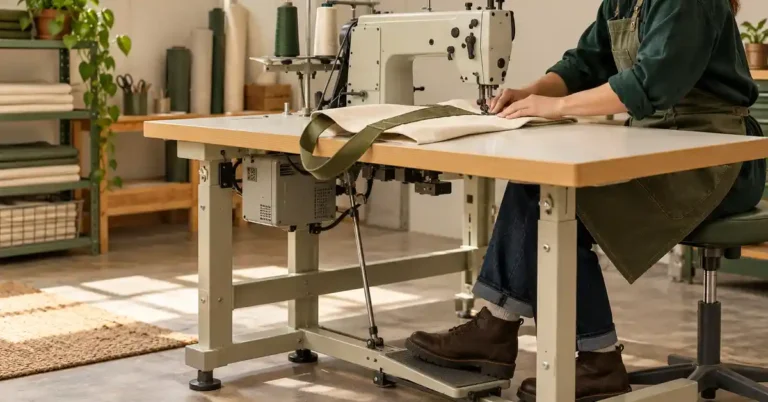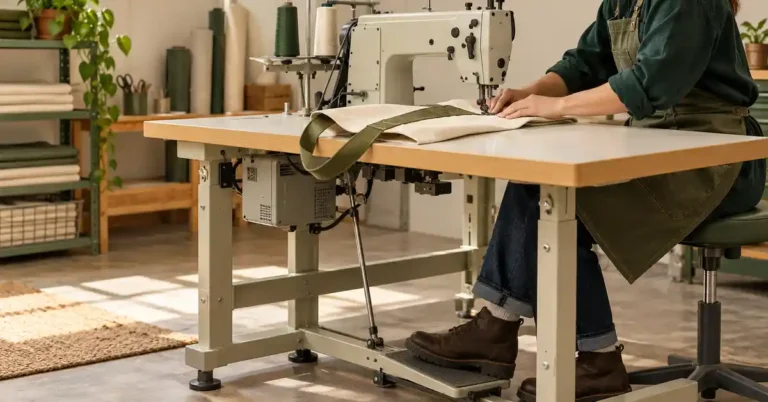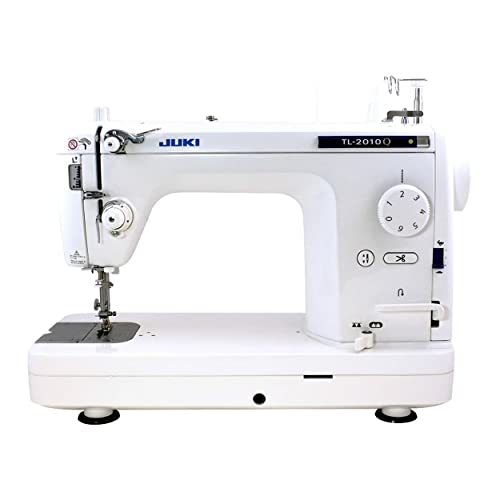

When it comes to sewing, having the right tools can make all the difference in the quality of your work. One essential tool that can elevate your sewing experience is the Juki sewing machine walking foot. This foot is designed to help sew multiple layers of fabric evenly, preventing any slipping or puckering. Whether you’re working on a quilt, sewing heavy fabrics, or doing free-motion quilting, understanding the capabilities of a walking foot can significantly improve your sewing results.
What is a Walking Foot?
A walking foot is a specialized presser foot designed to help feed multiple layers of fabric through the sewing machine evenly. Unlike traditional presser feet, which only apply pressure from above, a walking foot has an additional set of feed dogs that grip the fabric from the top, allowing for coordinated movement with the machine’s lower feed dogs. This feature is particularly beneficial when working with fabrics that tend to shift, such as knits, delicate materials, or quilt layers.
Benefits of Using a Walking Foot
The advantages of using a walking foot are numerous, especially for those who frequently sew layered projects. Here are some key benefits:
- Even Feeding: The dual feed mechanism ensures that both the top and bottom layers of fabric are fed evenly, reducing puckering and shifting.
- Versatility: Ideal for quilting, sewing heavy fabrics like denim, and working with slippery materials like silk.
- Improved Stitch Quality: Enhances the quality of stitches by maintaining consistent tension across all layers.
How to Install a Walking Foot on Your Juki Sewing Machine
Installing a walking foot on your Juki sewing machine is a straightforward process. Here’s a step-by-step guide:
- Remove the Standard Presser Foot: Lift the presser foot lever and remove the standard foot by loosening the screw.
- Attach the Walking Foot: Align the walking foot’s shank with the presser foot holder and tighten the screw securely.
- Adjust the Foot Height: Ensure that the walking foot’s height is appropriate for your fabric thickness by adjusting the presser foot pressure if your machine allows.
- Test the Feed: Run a few stitches on a scrap fabric to check that the foot is feeding the fabric evenly.
Tips for Using a Walking Foot
To make the most of your walking foot, consider the following tips:
- Use the Right Needle: Choose a needle that matches your fabric type. For heavier fabrics, use a thicker needle.
- Opt for a Longer Stitch Length: A longer stitch length can help with feeding thicker fabrics and is often recommended for quilting.
- Keep Fabric Flat: Ensure that your fabric is flat and free of any wrinkles or folds before starting to sew.
Common Issues and Solutions
Despite its advantages, using a walking foot can come with some challenges. Here are a few common issues and their solutions:
| Issue | Solution |
|---|---|
| Puckering of Fabric | Check the tension settings and ensure you are using a longer stitch length. |
| Skipped Stitches | Replace the needle, as a dull or damaged needle can cause skipped stitches. |
| Uneven Feeding | Reinstall the walking foot and make sure it is properly secured to the machine. |
Maintenance of Your Walking Foot
To ensure longevity and optimal performance, regular maintenance of your walking foot is essential. Here’s how to care for it:
- Clean Regularly: Remove any lint or fabric residue after each use. This can be done with a soft brush or compressed air.
- Lubricate When Necessary: If your walking foot has moving parts, apply a small amount of sewing machine oil to keep it functioning smoothly.
- Store Properly: Keep your walking foot in a protective case or container to avoid damage when not in use.
Frequently Asked Questions
A: Most sewing machines are compatible with walking feet, but it’s essential to check compatibility with your specific model.
A: While not strictly necessary, a walking foot significantly improves the ease and quality of quilting by feeding multiple layers evenly.
A: Consult your Juki machine’s manual or the manufacturer’s website for recommendations on compatible walking feet.
In conclusion, the Juki sewing machine walking foot is an invaluable tool for any sewing enthusiast, especially those who frequently work with multiple layers of fabric. Its ability to provide even feeding and improved stitch quality makes it a must-have for quilting and sewing various materials. By understanding its benefits, learning how to install and use it correctly, and maintaining it properly, you can elevate your sewing projects significantly. Whether you’re creating stylish embroidered jeans or experimenting with intricate quilting patterns, a walking foot will undoubtedly enhance your sewing experience.