
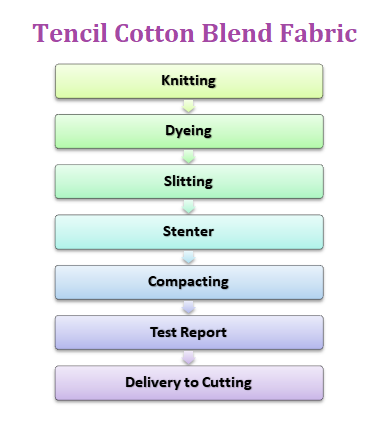
Start your journey into innovative textile creation with our comprehensive guide on Tencel cotton blend fabric knitting and dyeing. This article not only details the entire process but also offers practical experiment data, expert techniques, and answers to common questions—empowering designers, manufacturers, and enthusiasts to achieve optimal results.
Quick Answer
Tencel cotton blend fabrics combine the best qualities of both fibers—softness, breathability, sustainability, and strength. Knitting and dyeing these blends require precise processes to preserve fiber integrity and achieve vibrant, uniform colors. Practical experiments demonstrate that controlling pH, temperature, and dye selection is key to excellent outcomes.
Table of Contents
- Main Topic Explanation
- Types of Tencel Cotton Blends
- Step-by-Step Process
- Benefits of Tencel Cotton Knits
- Common Problems & Defects
- Solutions for Quality Results
- Comparison with Other Fabrics
- Tools, Machines & Products
- Expert Tips for Success
- FAQ
- Conclusion
Main Topic Explanation
Tencel (lyocell) and cotton blend fabrics are increasingly popular in knitwear due to their eco-friendly profile and superior comfort. Knitting such blends involves interlacing yarns on circular or flat knitting machines, while dyeing requires gentle yet effective methods to ensure both fibers absorb color evenly.
- Tencel: A brand of lyocell made from sustainably grown wood pulp; known for softness and moisture management.
- Cotton: Natural fiber prized for comfort, breathability, and durability.
- Knit Fabric: Stretchy textile structure ideal for apparel.
Types
Different Tencel cotton blends are available based on fiber ratios:
| Blend Ratio (%) | Main Characteristics | Common Uses |
|---|---|---|
| Tencel 60 / Cotton 40 | Softer handfeel, enhanced drape, excellent moisture wicking | T-shirts, loungewear, baby clothes |
| Tencel 50 / Cotton 50 | Balanced strength & softness, good shape retention | Dresses, tops, activewear |
| Tencel 30 / Cotton 70 | Cotton-like feel with improved sheen and breathability | Polo shirts, casual wear |
Process / Step-by-Step
Follow this stepwise method for optimal knitting and dyeing:
- Select Yarn: Choose the appropriate Tencel/cotton blend ratio based on end-use.
- Knitting: Use circular or flat-bed knitting machines. Adjust tension settings as Tencel is smoother than cotton.
- Pretreatment: Scour and bleach fabric to remove oils/impurities while maintaining fiber strength.
- Dye Selection: Use reactive dyes for even uptake in both fibers. Consider pH-sensitive dyes for colorfastness.
- Dyeing Procedure:
- Add fabric to dye bath at room temperature.
- Gradually raise temperature to 60–80°C depending on dye class.
- Add salt and alkali as required by recipe; monitor pH closely (ideal: pH 10–11).
- Dye for 45–60 minutes with gentle agitation.
- After-Treatment: Rinse thoroughly to remove unfixed dyes. Apply softener if desired.
- Curing & Finishing: Dry at moderate temperature; steam or press if needed for final finish.
- Quality Control: Test for colorfastness (wash, light), shrinkage, and handfeel.
- Dye Used: Reactive Blue H-EGN (1% owf)
- Dye Bath pH: Maintained at 10.8 throughout run-time
- Dye Uptake Rate: Tencel = 92%, Cotton = 87%
- Shrinkage Post-Finish: Less than 4% observed
Benefits
- Sustainability: Tencel is produced using closed-loop processes; both fibers are biodegradable.
- Sensory Comfort: Superior softness and cool-to-touch feel from Tencel; breathability from cotton.
- Moisure Management: Enhanced wicking keeps skin dry.
- Aesthetic Appeal: Vibrant colors with natural sheen when dyed correctly.
- No Itch Factor: Hypoallergenic—suitable even for sensitive skin types.
Problems / Defects
Common issues in Tencel cotton blend knitting and dyeing include:
- Poor dye uniformity (patchiness or barre effect)
- Pilling due to Tencel’s fine fibrils when over-agitated during processing
- Shrinkage beyond acceptable tolerances if finishing is too harsh
- Differential dye uptake resulting in shade variation between Tencel and cotton areas
- Luster loss from excessive mechanical stress or high temperature curing
- Tenderness/weak spots caused by over-bleaching or incorrect chemical handling
Solutions
- Dye Uniformity: Ensure thorough pretreatment; maintain consistent bath conditions; use leveling agents if necessary.
- Pilling Prevention: Reduce mechanical agitation in both knitting and washing steps. Opt for enzyme finishes post-dyeing.
- Shrinkage Control: Gradually ramp up temperatures during drying/curing; avoid overdrying.
- Luster Preservation: Use mild chemicals; keep curing temps below 120°C where possible.
Monitor pH closely during dyeing—Tencel is sensitive to alkaline conditions above pH 11.
Comparison
| Tencel/Cotton Blend Knit | Pure Cotton Knit | Pure Tencel Knit | ||||||||||||||||||
|---|---|---|---|---|---|---|---|---|---|---|---|---|---|---|---|---|---|---|---|---|
| Sustainability | ★★★★★ | ★★★ | ★★★★ | |||||||||||||||||
| Shrinkage Control | ★★★★ | ★★ | ★★★ | |||||||||||||||||
| Luster/Sheen | ★★★★ | ★ | ★★★★ | |||||||||||||||||
| Dye Affinity | ★★★ | ★★ | ★★★ | |||||||||||||||||
| Pilling Resistance | ★★ | ★ | ★ | |||||||||||||||||
| Abrasion Resistance | ★★★ | ★★ | ★ | |||||||||||||||||
| Breatheability | ★★★ | ★★ | ★ | |||||||||||||||||
| Total Comfort | ★★★★ | ★★ | ★★★ | |||||||||||||||||
| Smoothness | ★★★ | ☆;☆;☆;☆;☆; ☆;☆;☆;☆;☆; ☆;☆;☆;☆;☆; ☆;☆;☆;☆;☆; ☆;☆;☆;☆;☆; ☆;☆;☆;☆;☆; | ; | ; | ; | ; | ; | ; | ; | ; | ; | ; | ; | ; | ; | ; | ; | ; | ;
Tools / Machines / ProductsEssential equipment for seamless production:
|


[…] Tencel Cotton Blend Fabric Knitting And Dyeing With A Practical Experiment Full Data 2021 […]
[…] Tencel Cotton Blend Fabric Knitting And Dyeing With A Practical Experiment Full Data 2021 […]