When it comes to sewing, having the right tools and equipment can make a significant difference in the quality of your work. One of the often-overlooked components that can enhance your sewing experience is the lighting. A good LED light for sewing machines can provide the illumination needed to see details clearly, reduce eye strain, and create a more enjoyable sewing environment. In this article, we will explore the benefits of using LED lights, how to choose the right one, and tips for installation and maintenance.
Benefits of LED Lights for Sewing Machines
LED lights offer a multitude of advantages for those who sew, whether you are a beginner or an experienced seamstress. Here are some of the key benefits:
Energy Efficiency
LED lights consume significantly less energy compared to traditional incandescent bulbs. This means that not only do you save on electricity costs, but you also contribute to environmental sustainability.
Long Lifespan
Unlike conventional light bulbs that may burn out frequently, LED lights can last up to 25 times longer. This longevity reduces the frequency of replacements, saving you time and money over the long term.
Bright and Clear Illumination
LED lights provide bright, focused illumination without the harsh glare. This clarity is essential for detailed sewing tasks, allowing you to see your fabric and stitches clearly.
Reduced Eye Strain
Working under inadequate lighting can lead to eye fatigue and discomfort. The natural light quality of LEDs helps reduce eye strain, making your sewing sessions more enjoyable and productive.
How to Choose the Right LED Light for Your Sewing Machine
Selecting the appropriate LED light for your sewing machine involves considering several factors. Here’s what to keep in mind:
Brightness Level
LED lights come with various brightness levels measured in lumens. For sewing, a rating of at least 500 lumens is recommended to ensure clear visibility.
Color Temperature
The color temperature of LED lights can range from warm white (around 2700K) to cool white (over 5000K). Warm white is often preferred for sewing, as it creates a comfortable working environment.
Size and Flexibility
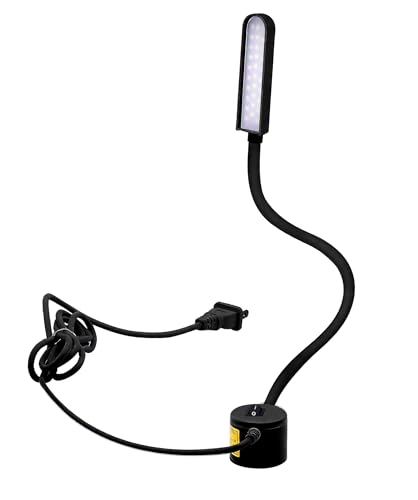
Choose a light that fits well in your sewing area. Some LED lights are flexible and can be adjusted to focus light where it’s needed most, while others may be fixed.
Power Source
LED lights can be powered by batteries or plugged into an electrical outlet. Consider your sewing space and choose a power source that is convenient for you.
Installation Tips for LED Lights
Gather Necessary Tools
Before starting, gather all the necessary tools, including a screwdriver, adhesive strips or mounting brackets, and any additional hardware that may come with the LED light kit.
Read the Instructions
Carefully read the manufacturer’s instructions that come with your LED light. Different models may have specific installation requirements, so following these guidelines is crucial.
Position the Light Correctly
When positioning your LED light, ensure it illuminates your sewing area without creating shadows. Typically, placing the light at a 45-degree angle to your sewing surface works well.
Test Before Finalizing
Before securing the light permanently, test its position and brightness. Make adjustments as necessary to ensure optimal lighting for your sewing tasks.
Maintenance of LED Lights
Regular Cleaning
Dust and debris can accumulate on your LED lights over time, diminishing their brightness. Use a soft, damp cloth to gently wipe the surface and keep your lights clean.
Check Connections
If your LED light flickers or doesn’t turn on, check the connections. Ensure that all wires are securely connected and that there are no visible signs of damage.
Replace as Needed
Although LED lights have a long lifespan, they may eventually need replacement. Keep an eye on their performance and replace them if you notice a significant decrease in brightness.
Frequently Asked Questions
A: It is recommended to use LED lights specifically designed for sewing machines to ensure compatibility and optimal performance.
A: If you find yourself straining to see details or if your workspace feels dim, it’s time to consider adding more lighting, such as an LED light for your sewing machine.
A: Yes, LED lights are generally safe for use on sewing machines, as they produce minimal heat and have a low risk of causing damage.
A: Some popular brands among sewing enthusiasts include Daylight Company, OttLite, and Sunlight. Be sure to read reviews and choose a product that meets your specific needs.
Conclusion
Investing in a quality LED light for your sewing machine is a practical decision that can enhance your sewing experience. With the right illumination, you can see your work clearly, reduce eye strain, and work more efficiently. Remember to consider factors such as brightness, color temperature, and installation when selecting your LED light. By following the tips outlined in this article, you can easily install and maintain your LED lighting, ensuring a well-lit and enjoyable sewing environment.
For those looking to expand their sewing capabilities, check out our article on Perfect for Creating Custom Patches at Home! or discover the Reliable Four Needle Embroidery Machine for Smooth Stitching. If you’re curious about unique embroidery machines, take a look at My New Favorite: Butterfly Embroidery Machine Works Perfectly! and explore the Best Embroidery Floss Colour Chart. Finally, unleash your creativity with the Unlock Creativity with This Multi-Needle Gem!. Happy sewing!