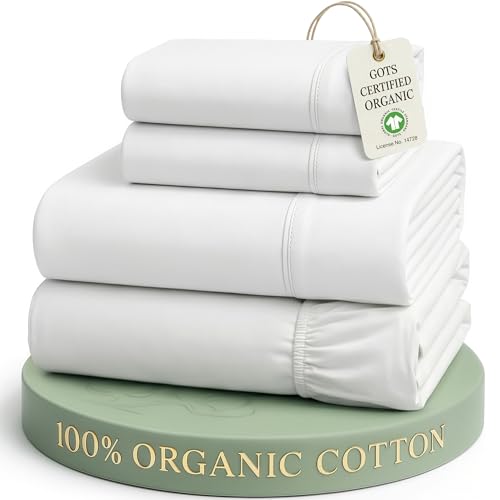
Linen vs Cotton Sheets: Feel, Cooling and Lifespan
Linen sheets feel dry, textured and airy, while cotton sheets can range from crisp percale to smooth, warmer sateen. The better choice depends on your preferred hand feel, bedroom temperature, laundry habits and willingness to accept wrinkles.

Quick answer
Linen sheets are usually the better choice for a dry, airy feel and long-term durability, especially in warm or humid rooms. Cotton sheets offer more surface choices: crisp percale, smooth sateen and easy-care blends. Choose linen if you accept wrinkles; choose cotton if you want a smoother, more familiar bed.
Key takeaways
- Linen is made from flax bast fibres; cotton is a softer, finer seed-hair fibre.
- Weave, fabric mass and finishing affect cooling as much as the fibre name.
- Cotton percale is crisp and breathable, while cotton sateen is smoother and generally feels warmer.
- Linen lasts well when washed gently, but its lower surface smoothness means wrinkles are part of the material.
- Check fibre content, weave, GSM, sheet depth and return conditions instead of relying on thread count alone.
Contents7 sections
Linen vs cotton sheets comes down to the feel you want and the care you will actually give them. Linen is usually drier-feeling, more textured and more openly airy; cotton can be crisp, smooth or silky depending on its weave. Neither fibre automatically sleeps “cool,” because fabric mass, yarn size, weave density, finishing and the rest of the bedding all matter.
We will compare the fibres, explain why their surfaces feel different, show what to inspect before buying, and cover washing mistakes that shorten sheet life. The aim is not to crown one winner, but to help you buy a sheet set that suits your room and routine.
What’s in this article7 sections
Linen vs cotton sheets: what is the real difference?
The real difference is that linen comes from flax stems, while cotton comes from the fluffy seed hairs of the cotton plant. Flax fibres are naturally longer, stiffer and less uniform in diameter than cotton fibres. That structure gives linen its visible slubs, dry hand and characteristic creasing.
Cotton fibres are finer and more flexible, so they can be spun into very smooth yarns and woven into a wider range of surfaces. A cotton sheet may feel crisp and matte in percale, or smooth and lightly lustrous in sateen. “Cotton” on its own does not tell you enough about the finished sheet.
For a wider grounding in fibre names, yarns, weaves and fabric weights, use our fabric types and specifications guide. It helps make sense of the terms on bedding labels.
| Feature | Linen sheets | Cotton percale sheets | Cotton sateen sheets |
|---|---|---|---|
| Typical weave | Usually plain weave | Balanced plain weave | Warp-faced sateen weave |
| Hand feel | Textured, dry, relaxed | Crisp, cool, matte | Smooth, soft, slightly silky |
| Air movement | Often good with open construction | Often good | Often lower than percale |
| Wrinkling | Noticeable | Moderate | Usually less visible |
| Surface durability | Strong fibre; softens over time | Depends on yarn quality | Depends on yarn quality and snagging |
| Best fit | Those who like texture | Those who like crisp sheets | Those who prefer smooth sheets |
A blend can sit between these choices. Linen-cotton blends are often smoother and less wrinkled than pure linen, but they do not duplicate the dry, open feel of a well-made all-linen cloth. Check the actual percentages; “linen blend” can mean a small linen content.
- Raw fibre
- Linen: Flax bast fibre
- Cotton: Seed-hair fibre
- Surface feel
- Linen: Textured and dry
- Cotton: Usually smoother
- Wrinkling
- Linen: High
- Cotton: Low to medium
- Best-known weaves
- Linen: Plain weave
- Cotton: Percale or sateen
- Moisture feel
- Linen: Airy, less clingy
- Cotton: Varies by weave
- Care expectation
- Linen: Softens with washing
- Cotton: Keeps smoother appearance
Fibre and weave determine the final sheet feel.
Which sheets feel cooler at night?
Linen often feels cooler to people who dislike clammy bedding because its surface is dry and it is commonly woven with visible air space. It absorbs moisture vapour and can release it, but so can cotton. The practical difference is the next-to-skin feel: linen tends to hold away from the skin rather than lying smooth and close against it.
Cooling has two parts. First, a sheet must allow air and moisture vapour to move through it. Second, its surface must not trap heat and perspiration against the body. An open plain weave, moderate fabric mass and a light duvet can matter more than choosing flax over cotton.
Percale, sateen and linen in a warm room
For cotton, percale is normally the safer warm-weather starting point. It has a one-over, one-under plain weave that produces a flatter, crisper surface and relatively direct air paths. A dense sateen has longer yarn floats and a more closed, smooth face, which many people find warmer despite its soft feel.
Linen is commonly sold by GSM rather than thread count. A lighter linen can feel very airy, but very low GSM cloth may be less opaque and may wear sooner at high-friction points. A midweight fabric is often a sensible all-season option; assess it by holding it to the light, feeling the density and reading the stated GSM if the seller provides it.
Why thread count is not a cooling score
Thread count is the number of warp and weft yarns counted in one square inch. It does not identify fibre quality, yarn twist, weave, finishing or real fabric weight. Some very high counts use multi-ply yarns and count each component, making the number look more impressive without guaranteeing a better sheet.
Use thread count only as one small clue for cotton. Look first for 100% fibre content, percale or sateen construction, realistic care instructions and an honest description of the yarn. For linen, GSM, weave openness and fibre content are usually more useful details.
How do linen and cotton sheets change with washing?
Linen generally becomes softer and more pliable with repeated washing, while cotton begins softer but can become rough or pill if the yarn quality and laundering are poor. Both fibres are cellulosic, so both absorb water readily and both can shrink, particularly if the fabric was not fully pre-shrunk.
Manufacturers may prewash or garment-wash sheets to reduce initial stiffness and shrinkage. This is useful, but it does not mean zero dimensional change at home. Fitted sheets are especially worth checking after the first wash because even a small shrinkage can make a shallow pocket difficult to keep on the mattress.
Wash sheets without shortening their life
Wash linen and cotton separately from rough items such as towels, jeans and garments with zips. Repeated abrasion raises fibres from the yarn surface; on cotton this can turn into pills, while linen can develop a fuzzier, less clean surface. Close zips, avoid overloading the drum and do not use more detergent than the product label requires.
- Sort sheets by colour and keep them away from abrasive laundry.
- Follow the sewn care label; a gentle or normal cycle with cool to warm water suits many sheets.
- Use a suitable detergent amount and rinse thoroughly, since residue can make fabric feel stiff.
- Dry on low heat, remove while slightly damp, and smooth the hems and elastic corners.
- Line dry where practical, but keep coloured sheets out of prolonged harsh sun to limit fading.
- Measure the fitted sheet after its first wash if mattress fit is close.
High dryer heat is the routine cause of avoidable shrinkage and harsh hand feel. It can also set creases deeply into linen. If you want a neater linen bed, place the sheet on the mattress while it is still a little damp, smooth it by hand and let body heat finish the drying.
How should you choose linen vs cotton sheets?
Choose linen if you value an airy, textured surface and can live with a rumpled appearance; choose cotton if you want a smoother bed and more weave choices. Start with how the sheet will be used rather than the marketing term on the front of the package.
1. Measure the mattress, not just the bed size
Measure mattress width, length and total height, including a topper or thick protector. Compare that height with the fitted sheet pocket depth and allow enough extra depth for the elastic to travel under the mattress. A deep-pocket label is not a standard measurement, so read the stated dimensions.
2. Decide which hand feel you will enjoy
Choose linen when you like visible texture, a dry touch and a casually wrinkled bed. It is not the best choice for someone expecting a glass-smooth hotel-sheet appearance straight from the dryer. Choose percale for crispness and sateen for a smoother, drapier cotton surface.
3. Read the composition and construction line by line
Look for 100% linen, 100% cotton, or clearly stated blend percentages. Then find the weave and any stated GSM or thread count. Be cautious with broad phrases such as “luxury hotel quality” when the listing does not name the fibre, construction, country-of-origin details or care method.
4. Check stitching and finishing
Inspect hems for even fold width, secure back-tacking and no skipped stitches. On fitted sheets, pull the elastic gently and check that it is sewn securely into the channel, not just caught intermittently in the seam. A sheet can use good fibre but still fail early at a poorly sewn corner.
- Check the roomNote heat, humidity and seasonal bedding.
- Choose surface feelPick crisp, smooth or textured.
- Read fibre contentConfirm linen, cotton or blend percentage.
- Check constructionCompare weave, GSM and fitted depth.
- Read care labelMatch washing and drying to your routine.
- Inspect after washingCheck shrinkage, pilling and seam twist.
Match fibre, construction and care to your room.
What details do factories and sewing rooms notice?
The details beginners miss are fabric balance, seam construction and finish, because all three affect daily use more than a headline fibre claim. A sheet is a large sewn textile panel: it must stay square, survive repeated wet processing and fit under tension at the mattress corners.
Fabric weight is not the whole quality story
Heavier is not automatically better. A heavy linen may feel substantial but less breathable, while a very light linen may be translucent or more prone to friction wear. With cotton, a dense sateen can feel luxurious at first touch but may not suit someone seeking an airy summer sheet.
Look for a fabric that feels evenly dense across the width. Hold it against a bright window: irregular thick and thin places are normal to a degree in linen, but holes, loose yarns or obvious weak streaks are not. On cotton, excessive fuzz before the first wash may indicate a brushed finish or weaker yarns; read the description to know which.
Cutting and sewing can affect fit
Woven fabric has warp and weft directions. If panels are cut off-grain, a sheet can twist after washing, leaving hems that no longer lie straight across the bed. A small amount of movement is common in a large wet fabric panel, but severe spiral distortion is a quality concern.
At the corners, short stitch lengths and secure reinforcement reduce the chance of seam opening when you stretch the elastic over a deep mattress. You do not need to count every stitch, but look for straight stitching, no long skipped sections and elastic that rebounds evenly.
Finishes can change the first impression
New sheets may carry softeners, crease-resist treatments or starch-like finishing agents that make the first touch different from the washed fabric. Wash new bedding before use following its label. If a strong chemical odour remains after laundering, stop using the item and contact the seller for its care and material information.
What mistakes cause disappointing sheets?
Most disappointing sheet purchases come from choosing by thread count or appearance alone, then washing on high heat. Match the construction to your preferences and inspect the fabric after the first few wash cycles, when hidden issues become clearer.
- Mistake: assuming all cotton feels alike. Identify percale, sateen, flannel or jersey before buying.
- Mistake: expecting wrinkle-free linen. Linen creases because of its fibre structure; a relaxed surface is normal.
- Mistake: buying fitted sheets without measuring. Include the mattress protector and topper in the depth measurement.
- Mistake: treating thread count as quality proof. Prioritise fibre content, weave, construction and return terms.
- Mistake: drying at maximum heat. Use the label guidance and lower heat to reduce shrinkage and fibre stress.
- Mistake: washing sheets with abrasive items. Separate them from towels, zips and heavy garments.
If a new sheet feels unexpectedly stiff, wash it once or twice as directed before deciding. If it pills heavily, develops holes or the seams distort quickly under normal care, photograph the issue, retain the label and use the seller’s return process.
Many complaints start with construction or laundry choices.
FAQ
Are linen sheets better than cotton sheets for hot sleepers?
Linen often suits hot sleepers because it usually feels dry, textured and less clingy against the skin. However, a light cotton percale can also work very well in a warm room. Avoid assuming fibre alone decides cooling; check weave density, fabric mass and the warmth of your duvet.
Do linen sheets get softer over time?
Yes, linen commonly becomes softer and more flexible through normal washing and use. It will still retain more texture and more visible creasing than most cotton sheets. Wash according to the care label and avoid excessive dryer heat.
Is percale or sateen better for cooling?
Percale is usually the cooler-feeling cotton construction because its plain weave is crisp and relatively open. Sateen has a smoother face and longer yarn floats, which often produce a warmer, closer feel. Individual fabric weight and finishing can change the result.
What GSM is good for linen sheets?
There is no single best GSM because climate, weave openness and personal preference all matter. Lighter linen usually feels airier but may be less opaque, while heavier linen feels more substantial and can be warmer. Compare stated GSM with the weave, care information and return policy.
Why do my cotton sheets pill?
Pilling happens when loose fibre ends work out of the yarn and form small balls through rubbing. Shorter staple fibres, lower-twist yarns, rough laundry loads and overloaded machines can make it worse. Wash sheets away from towels and abrasive garments, and use a suitable cycle and low dryer heat.
Should I buy 100% linen or a linen-cotton blend?
Buy 100% linen if you specifically want linen’s textured, rumpled and dry hand feel. Choose a linen-cotton blend if you want a smoother surface and somewhat less wrinkling. Always check the stated fibre percentages, because blends can contain widely different amounts of linen.
The one thing to remember: linen and cotton are starting points, not complete quality grades. Buy the surface feel you enjoy, verify the weave and dimensions, then use gentle laundering to let the sheet last.