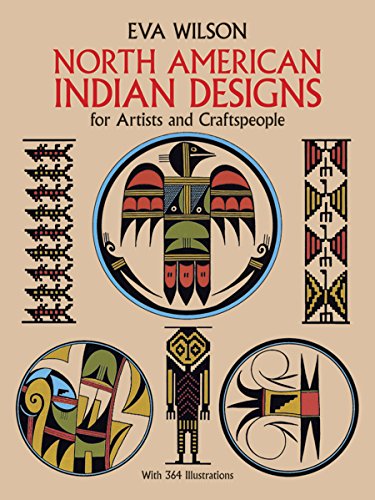

Native American patterns are rich in symbolism, history, and cultural significance. These designs are not merely decorative; they reflect the stories, beliefs, and traditions of indigenous peoples across North America. From textiles to pottery, the patterns used in Native American art convey messages about nature, spirituality, and community. This article explores the various types of Native American patterns, their meanings, and their relevance in contemporary culture.
History of Native American Patterns
The history of Native American patterns dates back thousands of years, with each tribe developing its unique style influenced by the local environment and cultural beliefs. Early Native American art forms included pottery, weaving, beadwork, and painting, with patterns often reflecting the natural world. For many tribes, the creation of art was a spiritual practice, often intertwined with rituals and ceremonies.
Traditional Uses of Patterns
Patterns served various purposes in Native American culture. They were not only adornments but also conveyed messages about identity, community, and spirituality. For example, in many tribes, specific symbols represented clan affiliations or tribal histories, while others depicted important events or myths. Patterns were integral to storytelling, with each design having its narrative.
Common Patterns and Their Meanings
Native American patterns can be categorized into several common motifs, each carrying distinct meanings. Here are some of the most recognized patterns:
| Pattern | Description | Meaning |
|---|---|---|
| Geometric Shapes | Triangles, squares, and zigzags | Represent harmony, balance, and connection to the universe. |
| Animal Motifs | Representations of eagles, bears, and other animals | Symbolize strength, freedom, and the spirit of the natural world. |
| Floral Patterns | Flowers, leaves, and vines | Signify growth, life, and the beauty of nature. |
| Spirals | Curved lines that wind around | Illustrate the journey of life and the interconnectedness of all beings. |
Specific Tribal Patterns
Different tribes have their unique styles and motifs. For example, the Navajo are known for their intricate rug patterns, which often feature geometric shapes and vibrant colors. The Hopi tribe is famous for its pottery, which showcases detailed designs, including kachina dolls and natural elements. Each pattern tells a story, often linked to the tribe’s history and environment.
Regional Differences in Patterns
Native American patterns vary significantly from region to region, influenced by the local culture, environment, and available materials. Understanding these regional differences enhances appreciation for the art form.
Northwest Coast Patterns
Art from the Northwest Coast, such as totem poles and masks, often features bold colors and intricate designs, including animal motifs and clan symbols. The use of formline design, characterized by flowing lines and shapes, is a hallmark of this region’s art.
Southwestern Patterns
Southwestern Native American art, particularly from the Navajo and Hopi tribes, often includes geometric designs and earth tones, reflecting the desert landscape. The iconic Navajo rug patterns are characterized by their symmetry and vibrant colors.
Plains Patterns
On the Great Plains, patterns are often found in beadwork and quillwork on clothing and accessories. These patterns often depict animals and nature, signifying the tribes’ close relationship with the land.
Modern Interpretations of Native American Patterns
In contemporary art and fashion, Native American patterns have seen a resurgence, often blended with modern design elements. Many artists are reinterpreting traditional motifs, infusing them with new meaning while respecting their cultural significance.
Fashion and Home Decor
Many fashion designers incorporate Native American patterns into their collections, creating clothing that honors indigenous heritage. Home decor items, such as throw pillows and wall art, also feature these patterns, allowing individuals to bring a piece of Native American culture into their homes.
Digital Art and Graphic Design
The digital age has also opened new avenues for Native American artists. Graphic design and digital art allow for innovative interpretations of traditional patterns, reaching a broader audience and fostering appreciation for Native American culture.
How to Incorporate Native American Patterns in Your Life
Incorporating Native American patterns into your life can be a meaningful way to celebrate and appreciate this rich cultural heritage. Here are some ideas:
Textiles and Clothing
Look for clothing and accessories that feature authentic Native American patterns, such as scarves, handbags, or jewelry. These items can serve as conversation starters and expressions of appreciation for the art form.
Home Decor
Consider adding Native American-inspired patterns to your home through rugs, wall art, or decorative pillows. These elements can create a warm and inviting atmosphere while showcasing the beauty of indigenous art.
Art Collecting
If you’re interested in art collecting, seek out works from indigenous artists. Not only will you be supporting their craft, but you’ll also be acquiring pieces that hold cultural significance and history.
A: Yes, colors often have specific meanings in Native American art. For example, black can represent the earth, red symbolizes life, and white stands for purity. Each tribe may have its unique color symbolism based on their traditions and beliefs.
A: Explore books, documentaries, and online resources focused on Native American art. Visiting museums with indigenous art collections or attending cultural events can also provide valuable insights.
A: While it can be appropriate, it’s essential to approach this with respect. Ensure that any designs you use are authentic and that you’re supporting indigenous artists. Cultural appropriation can be problematic, so understanding the context is crucial.
FAQ
A: They reflect the rich cultural heritage, history, and beliefs of indigenous peoples, conveying stories and traditions through their designs.
A: Yes, you can create inspired patterns, but it’s crucial to do so respectfully and with an understanding of the cultural significance behind the original designs.
In conclusion, Native American patterns are more than just aesthetic elements; they embody the rich histories, beliefs, and stories of indigenous cultures. By understanding their meanings and respecting their origins, we can appreciate the artistry and significance of these beautiful designs. Whether through art, fashion, or home decor, incorporating Native American patterns into our lives allows us to celebrate and honor these vibrant cultures while fostering a deeper connection to the stories they tell.