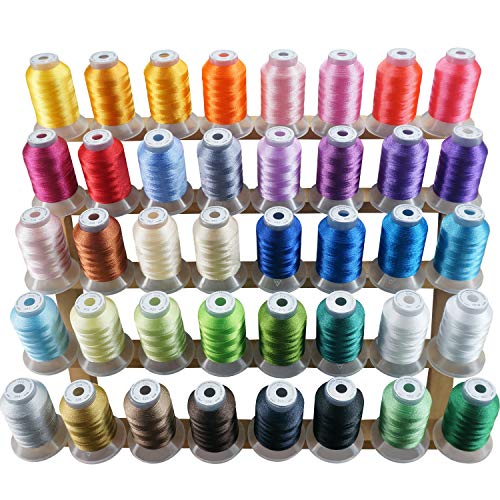

When it comes to embroidery, selecting the right thread is crucial for achieving stunning results. For those using Brother embroidery machines, having a comprehensive understanding of the new Brother embroidery thread chart can significantly enhance your crafting experience. This chart not only helps you identify the perfect colors for your projects but also provides insights into thread types and their applications. Whether you are a beginner or an experienced embroiderer, familiarizing yourself with this resource can streamline your creative process.
Understanding the Brother Embroidery Thread Chart
The Brother embroidery thread chart serves as a reference guide for selecting the right thread for your embroidery projects. This chart categorizes threads by color, making it easier for you to choose the perfect hue for your designs. Additionally, it includes essential information about thread weight and type, ensuring you can make informed decisions based on your project needs.
Types of Embroidery Threads
Embroidery threads come in various types, each designed for specific applications. Understanding these types can help you make the best choices for your projects. Here are some common types of embroidery threads found in the Brother embroidery thread chart:
1. Polyester Threads
Polyester threads are popular for their durability and colorfastness. They are perfect for a wide range of fabrics and can withstand washing and fading, making them ideal for everyday items.
2. Rayon Threads
Rayon threads offer a beautiful sheen and smooth finish, making them ideal for decorative embroidery. However, they are less durable than polyester threads and may fade over time.
3. Metallic Threads
Metallic threads add a distinctive shine to your projects. They can be more challenging to work with due to their tendency to fray, so it’s essential to use the right needle and tension settings.
4. Cotton Threads
Cotton threads are excellent for hand embroidery and quilting. They provide a natural look and are available in various weights, making them versatile for different applications.
5. Specialty Threads
Specialty threads include a variety of unique finishes, such as variegated or glow-in-the-dark threads. These can add unique effects to your embroidery projects, but they may require special handling.
How to Use the Thread Chart
Using the Brother embroidery thread chart effectively can simplify your crafting process. Here’s how to navigate the chart:
1. Identify Your Project Needs
Before consulting the chart, determine the requirements of your project. Consider factors such as fabric type, desired finish, and durability needs.
2. Locate the Color
Find the color you wish to use in the thread chart. The chart typically lists colors by number and name, making it easy to identify specific threads.
3. Check Thread Type and Weight
Review the thread type and weight associated with the color. This information is crucial for ensuring compatibility with your embroidery machine and the fabric you are using.
4. Match with a Brand
Many thread charts also include brand recommendations. Ensure you choose a thread brand that is compatible with your Brother embroidery machine for the best results.
Common Thread Brands Compatible with Brother Machines
While Brother offers its own line of embroidery threads, several other brands are commonly used with Brother machines. Here are a few popular choices:
| Brand | Thread Type | Notable Features |
|---|---|---|
| Isacord | Polyester | Durable, colorfast, and smooth finish. |
| Robison-Anton | Rayon | Soft, great for decorative stitching. |
| Sulky | Cotton/Polyester | Available in various weights; excellent for quilting. |
| Maderia | Specialty | High-quality threads with unique finishes. |
Maintenance and Care of Embroidery Threads
Proper care and maintenance of your embroidery threads can prolong their lifespan and ensure optimal performance. Here are some tips to keep in mind:
1. Store Threads Properly
Keep your threads in a cool, dry place away from direct sunlight. Use thread organizers or boxes to prevent tangling and damage.
2. Check for Damage
Before starting a project, inspect your threads for frays or breaks. Discard any damaged threads to avoid complications during stitching.
3. Use the Right Needle
Select a needle that matches your thread type and fabric. Using the correct needle can prevent thread breaks and ensure a smooth embroidery process.
4. Clean Your Machine Regularly
Regular machine maintenance helps prevent thread jams and ensures smooth stitching. Follow your machine’s guidelines for cleaning and oiling.
Frequently Asked Questions
A: Polyester threads are often recommended for beginners due to their durability and ease of use.
A: Ensure you are using the correct needle, maintaining proper tension, and selecting compatible threads for your machine and fabric.
A: Yes, you can use various thread brands as long as they are compatible with your machine’s specifications.
A: Check for any obstructions in your machine, ensure proper threading, and use the right type of thread for your project.
Conclusion
Understanding the new Brother embroidery thread chart is a game changer for both novice and experienced embroiderers. By familiarizing yourself with the types of threads, how to use the chart effectively, and the importance of proper thread care, you can elevate your embroidery projects to new heights. Whether you are creating personalized gifts, home décor, or unique fashion items, the right thread choices will help you achieve stunning results. Happy embroidering!