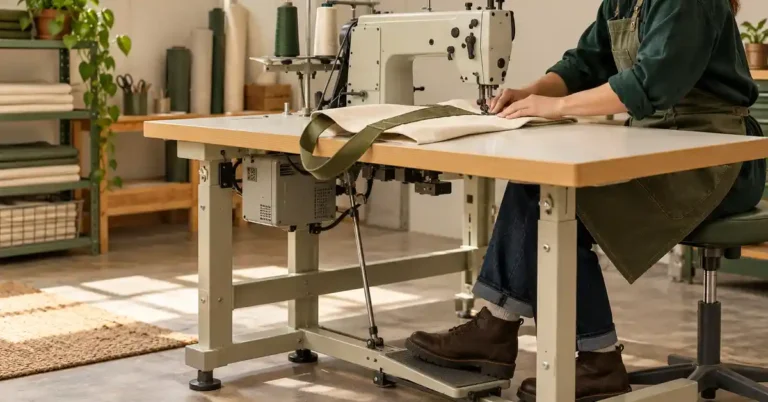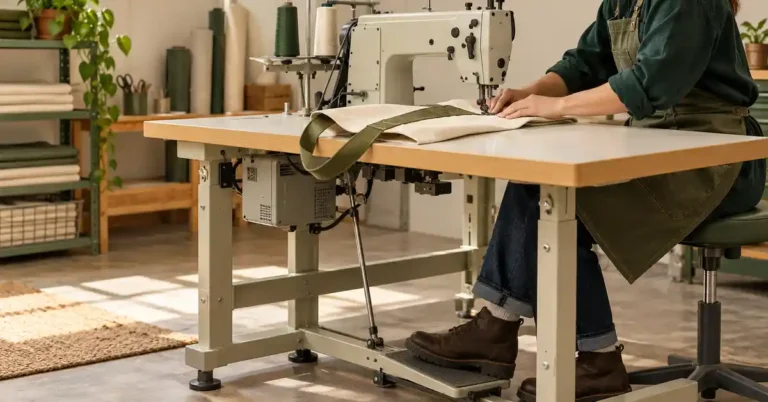
When it comes to sewing with linen, choosing the right needle is crucial for achieving a polished finish and ensuring the longevity of your projects. Linen, known for its durability and breathability, can be challenging to work with if the proper tools are not utilized. In this article, we will explore the various aspects of selecting the best sewing machine needle for linen, including types, sizes, and techniques to ensure your sewing experience is smooth and successful.
Understanding Linen
Linen is a natural fiber made from the flax plant, prized for its strength, breathability, and unique texture. It has a crisp finish and a tendency to wrinkle, making it ideal for summer garments and home textiles. However, its inherent qualities can also pose challenges during the sewing process. Understanding the characteristics of linen is essential for selecting the right needle and techniques.
Properties of Linen
- Durability: Linen fibers are strong, making them resistant to wear and tear.
- Breathability: Linen allows air to circulate, keeping the wearer cool.
- Absorbency: Linen can absorb moisture without losing its freshness, making it ideal for summer wear.
- Wrinkling: Linen wrinkles easily, which can be both a charm and a challenge.
Types of Needles for Linen
Choosing the right needle type is fundamental when sewing linen. Different types of needles serve different purposes, and understanding their specific uses can significantly enhance your sewing experience.
Universal Needles
Universal needles are versatile and suitable for a variety of fabrics, including linen. They have a slightly rounded tip, making them effective for both woven and knit fabrics. However, for heavier linen or tightly woven fabrics, a different needle type may yield better results.
Sharp Needles
Sharp needles have a much finer point, making them ideal for tightly woven fabrics like high-quality linen. They penetrate the fabric more easily, reducing the risk of snagging or damaging the fibers. If you’re working with a delicate linen, opt for a size 70/10 or 80/12 sharp needle.
Jeans/Denim Needles
For heavier linen blends, such as those mixed with cotton or polyester, a jeans or denim needle can be beneficial. These needles are designed to handle multiple layers and thicker fabrics, allowing for smooth stitching.
Choosing the Right Needle Size
The size of your needle plays a significant role in the outcome of your sewing project. Needle sizes are categorized by numbers, with higher numbers indicating larger needles. Selecting the appropriate size for your linen fabric can prevent issues like skipped stitches or fabric damage.
Needle Size Chart
| Fabric Type | Recommended Needle Type | Recommended Needle Size |
|---|---|---|
| Lightweight Linen | Universal or Sharp | 70/10 |
| Medium Weight Linen | Universal or Sharp | 80/12 |
| Heavyweight Linen | Jeans/Denim | 90/14 |
Sewing Tips for Linen
Sewing with linen requires a few specific techniques to ensure a successful project. Here are some essential tips to keep in mind:
1. Pre-Wash Your Linen
Always pre-wash your linen fabric before sewing. Linen can shrink when washed, and pre-washing helps to prevent issues later in the finishing stages of your project.
2. Use a Walking Foot
A walking foot can help feed the fabric evenly through your sewing machine, preventing puckering and ensuring a smooth finish on your seams.
3. Adjust Tension Settings
Adjust your sewing machine’s tension settings according to the weight of your linen. A slightly looser tension can help prevent thread breakage and create a more balanced stitch.
4. Use a Lightweight Thread
Opt for a lightweight thread, such as cotton or polyester, which can provide the necessary strength without adding bulk. This is especially important when sewing lightweight linen.
Common Sewing Issues with Linen
While sewing with linen can be rewarding, you may encounter some common issues. Here are a few problems and their solutions:
1. Fabric Slippage
Linen can sometimes slip while sewing, leading to misaligned seams. To combat this, pin your fabric securely before sewing or use fabric clips to hold the layers together.
2. Wrinkling
Because linen wrinkles easily, consider using a pressing cloth when ironing to prevent shine or scorch marks. Additionally, using a steam iron can help remove wrinkles more effectively.
3. Thread Breakage
If you experience frequent thread breakage, check your needle size and type. Using the wrong needle can cause tension issues and breakage. Additionally, ensure your thread is of good quality and appropriate for your fabric type.
Frequently Asked Questions
A: The best needle for sewing linen is typically a sharp or universal needle, with sizes varying based on the weight of the linen. For lightweight linen, a size 70/10 is ideal, while medium weight requires a size 80/12.
A: While you can use a regular sewing needle, it’s advisable to use a sharp or universal needle to prevent fabric damage and ensure a smoother sewing experience.
A: To prevent fraying, consider using a serger for edges or finishing seams with a zigzag stitch. Additionally, using bias tape or French seams can help secure raw edges.
A: Linen can be more challenging to sew than some other fabrics due to its tendency to wrinkle and slip. However, with the right needle, techniques, and tools, it can be sewn effectively.
In conclusion, selecting the right sewing machine needle for linen is essential for achieving high-quality results in your sewing projects. By understanding the properties of linen, the types and sizes of needles available, and applying practical sewing techniques, you can enhance your sewing experience and create beautiful linen garments and home textiles. Whether you’re crafting a lightweight summer dress or a sturdy tablecloth, the right tools will ensure that your projects turn out just as you envisioned. For inspiration, consider trying some embroidered tops to add a unique touch to your linen creations. Explore options like elegant white-on-white embroidery that can elevate your sewing projects even further. Happy sewing!