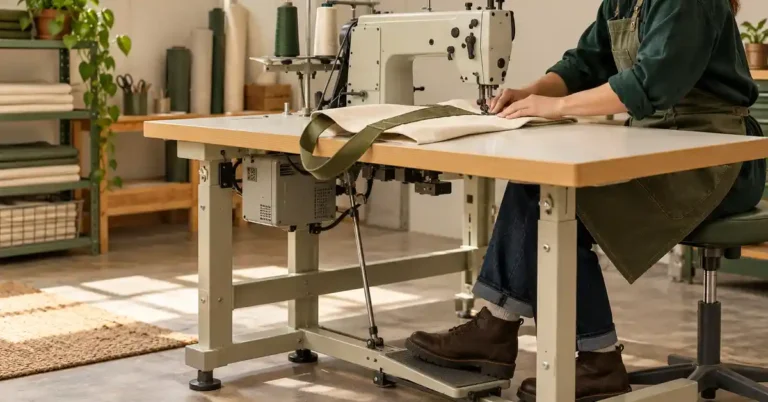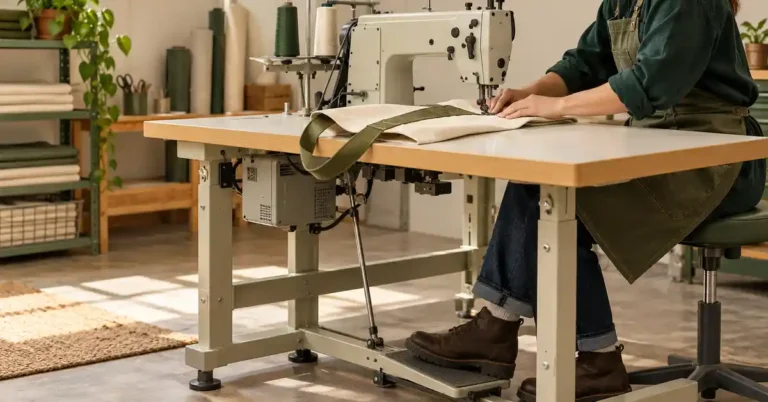
Sewing is an art that requires precision and the right tools to achieve beautiful results. Among these tools, sewing machine needles play a pivotal role in determining the quality of your sewing projects. If you’re working with heavier fabrics or certain types of embroidery, understanding the specifications and uses of sewing machine needles, specifically the 110/18 size, can greatly enhance your sewing experience. This article will delve into the significance of 110/18 sewing machine needles, their applications, and tips to choose the right needle for your next project.
Understanding Sewing Machine Needles
Sewing machine needles come in various sizes and types, each suited for specific tasks and materials. The needle size is crucial because it affects the stitch quality, fabric compatibility, and the overall success of your sewing project. The numbering system for needles can be quite confusing. For example, the size 110/18 indicates both the metric and US sizing, where 110 is the metric size (for heavier fabrics) and 18 is the American size.
Importance of Needle Size
Choosing the correct needle size is essential for several reasons:
- Fabric Compatibility: Different fabrics require different needle sizes to avoid damage and ensure a smooth sewing experience.
- Stitch Quality: The size of the needle directly influences the stitch formation. A needle that is too small may cause skipped stitches, while one that is too large can create holes in the fabric.
- Project Type: Depending on whether you’re sewing, quilting, or embroidering, the needle size can affect the outcome significantly.
What is a 110/18 Sewing Machine Needle?
The 110/18 sewing machine needle is classified as a heavy-duty needle, making it suitable for thicker materials such as denim, canvas, and upholstery fabrics. It features a larger eye and a thicker shaft, allowing it to accommodate heavier threads and withstand the stress of sewing through dense layers.
| Needle Size | Metric Size | Best For |
|---|---|---|
| 110/18 | 110 | Heavy fabrics (denim, canvas), quilting, embroidery |
| 90/14 | 90 | Medium weight fabrics (cotton, linen) |
| 75/11 | 75 | Lightweight fabrics (silk, tulle) |
When to Use 110/18 Needles
There are specific scenarios where a 110/18 needle would be the best choice:
Heavy Fabrics
When working with heavy materials like denim, canvas, or upholstery, a 110/18 needle ensures that you can penetrate the fabric without breaking or bending the needle.
Quilting
For quilting projects, where multiple layers of fabric are involved, a 110/18 needle provides the strength needed to stitch through everything easily.
Embroidery
When embroidering with thicker threads or working on dense designs, the larger eye of the 110/18 needle helps to prevent thread breakage and ensures smooth stitching.
How to Choose the Right Needle
Selecting the right needle involves several considerations:
Fabric Type
Always consider the fabric you will be working with. Check the weight and texture, as these factors will guide your needle choice.
Thread Type
The type of thread you are using can also influence your needle selection. For heavy threads, ensure you pair them with corresponding heavy-duty needles.
Project Requirements
Identify the specific needs of your project. For quilting, you may opt for a quilting needle, while for general sewing, a universal needle might suffice.
Maintaining Your Needles
Proper maintenance of your sewing machine needles can extend their lifespan and ensure optimal performance:
- Regular Inspection: Frequently check for bends, dull points, or damage. Replace needles as needed.
- Proper Storage: Store needles in a secure case to prevent damage and maintain their sharpness.
- Change Regularly: Depending on usage, change your needle every 6-8 hours of sewing or when switching between different fabric types.
FAQ
A: No, a 110/18 needle is too large for lightweight fabrics and may damage them. Opt for a smaller needle size instead.
A:
You should change your needle if you notice skipped stitches, frayed thread, or if the needle appears bent or dull.
A:
It’s best to use heavier threads like denim or upholstery thread when working with a 110/18 needle to ensure a smooth sewing experience.
In conclusion, understanding the significance of sewing machine needles, particularly the 110/18 size, can empower you to make informed decisions for your sewing projects. Whether you’re crafting a stunning embroidered wedding dress or exploring embroidery and appliqué designs, selecting the right needle is crucial for achieving professional results. For more inspiration and resources, consider checking out our articles on [Stunning Embroidered Wedding Dress: A Dream Come True!](https://practicaltextile.com/wedding-dress-with-embroidery/), [Stitch Magic: Embroidery & Applique Designs Delight!](https://practicaltextile.com/embroidery-and-applique-designs/), and [Charming Addition: Framed Embroidery Wall Art Delight!](https://practicaltextile.com/framed-embroidery-wall-art/) to enhance your sewing and embroidery skills.