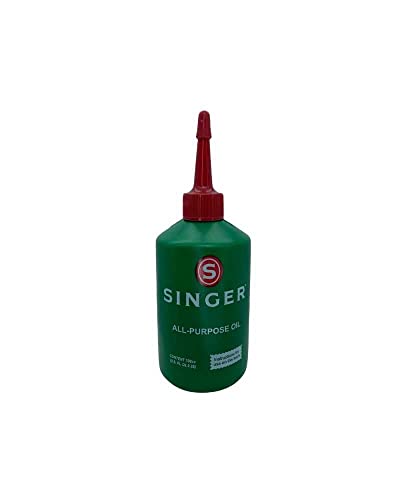

For sewing enthusiasts, maintaining your sewing machine is crucial for optimal performance and longevity. One of the essential maintenance tasks is regular lubrication, typically achieved with sewing machine oil. However, there may be instances where you find yourself without the appropriate oil, leading to the inevitable question: what can you use as a sewing machine oil substitute? In this article, we will explore various alternatives to traditional sewing machine oil, their properties, and when and how to use them effectively.
Table of Contents
- Why Oil Your Sewing Machine?
- Common Sewing Machine Oil Substitutes
- How to Use Sewing Machine Oil Substitutes
- What Not to Use as Oil
- Frequently Asked Questions
Why Oil Your Sewing Machine?
Lubricating your sewing machine is vital for several reasons:
- Reduces Friction: Oil helps reduce friction between moving parts, allowing for smoother operation.
- Prevents Rust: Regular lubrication can help prevent rust and corrosion on metal components.
- Extends Lifespan: A well-maintained machine will last longer and perform better.
- Improves Stitch Quality: Proper lubrication ensures that your machine runs smoothly, which is critical for achieving high-quality stitches.
Common Sewing Machine Oil Substitutes
When you find yourself out of traditional sewing machine oil, here are some common substitutes:
1. Mineral Oil
Mineral oil is a common alternative and is often found in pharmacies. It is odorless and does not leave a sticky residue, making it a good choice for lubrication.
2. Baby Oil
Baby oil, which is a mineral oil with fragrance, can also be used as a substitute. While it is effective, the added fragrance could potentially leave a residue in your machine.
3. Vegetable Oil
Some people recommend using vegetable oil as a substitute. However, it’s important to note that vegetable oils can go rancid over time, which could lead to sticky residues in your machine.
4. Olive Oil
Olive oil is another option, but it has similar issues as vegetable oil. It can become sticky and attract dirt and dust, which might negatively affect your machine’s performance.
5. Sewing Machine Oil Alternatives
Many other commercial products are marketed as sewing machine oil alternatives. These products are often designed to work well with fabric and can provide effective lubrication without the downsides of regular oils.
How to Use Sewing Machine Oil Substitutes
Using a substitute for sewing machine oil can be straightforward, but it’s essential to follow the correct procedure to avoid damaging your machine:
Step 1: Clean Your Machine
Before applying any oil, ensure that your sewing machine is clean. Use a soft cloth to remove any lint and dust from the exterior, and use a small brush to clean the interior components.
Step 2: Apply the Oil
Using a few drops of your chosen substitute, apply the oil to the moving parts of the machine. Focus on areas where there is metal-on-metal contact, such as gears and the needle bar. Be cautious not to over-oil, as excess oil can attract dust and debris.
Step 3: Run the Machine
After applying the oil, run your machine at a slow speed for a few minutes. This helps distribute the oil evenly throughout the moving parts.
What Not to Use as Oil
While there are several substitutes available, certain substances should never be used as oil for your sewing machine:
- WD-40: Although it’s excellent for many applications, WD-40 can damage sewing machines due to its solvent properties.
- Cooking Oils: Oils like canola or corn oil can become sticky and rancid, causing more harm than good.
- Petroleum Jelly: While it is a lubricant, it can become too thick and lead to buildup over time.
A: It’s best to avoid household oils as they can become sticky or may contain additives that could damage your machine.
A: It depends on usage, but generally, oiling your machine every 8-10 hours of sewing is recommended.
A: While it can be used in a pinch, it is not recommended for long-term use due to its tendency to go rancid.
Frequently Asked Questions
A: If you notice unusual noises, sluggish movement, or inconsistent stitch quality, it may be time to oil your machine.
A: Yes, focus on the needle bar, bobbin area, and any gears that are visibly moving.
A: Yes, but ensure that the substitute is suitable for the specific materials and components of your embroidery machine.
In conclusion, while it is always best to use designated sewing machine oil for maintaining your machine, there are several substitutes available for those times when you find yourself without it. Understanding the properties of these alternatives and how to use them correctly can ensure that your sewing machine remains in optimal condition. When using substitutes, always prioritize safety and cleanliness to keep your sewing projects running smoothly.
If you are keen on enhancing your embroidery skills, you might want to explore Stitching Magic: Custom Embroidery in Los Angeles or check out our Review: Make Patches with Embroidery Machine. Additionally, consider the Why the Artspira Embroidery Machine is a Game-Changer! or learn about Naturally Smooth Bobbin Thread for Flawless Embroidery and find a Reliable Computerized Sewing & Embroidery Machine for Beginners.