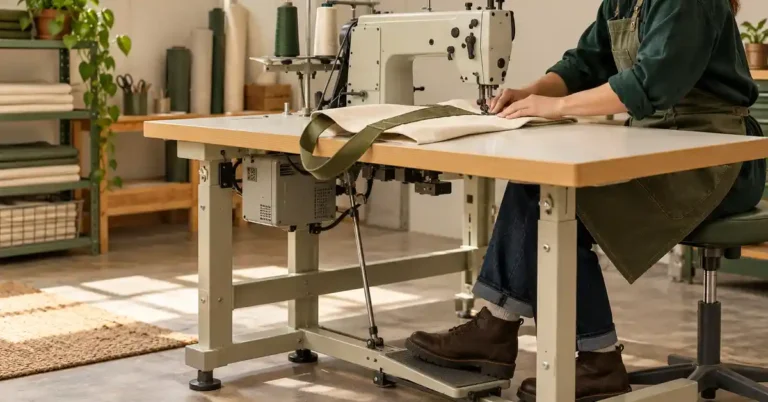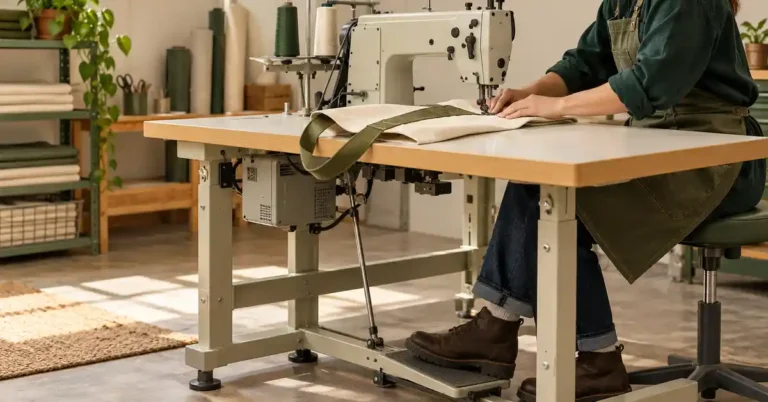
Sewing machines have become essential tools for both hobbyists and professionals alike, allowing for creativity and precision in fabric manipulation. Understanding the various parts of a sewing machine can greatly enhance your sewing experience, enabling you to troubleshoot issues, maintain your machine effectively, and ultimately produce higher quality work. In this article, we will explore the different sewing machine parts, their names, and functions, equipping you with the knowledge to make the most of your sewing endeavors.
Basic Parts of a Sewing Machine
The basic parts of a sewing machine are vital for its operation. Familiarizing yourself with these components can help you use your machine more effectively.
The Needle
The needle is one of the most critical components of a sewing machine. It pierces the fabric to create stitches. Needles come in various sizes and types, depending on the fabric being used.
The Presser Foot
The presser foot holds the fabric in place while sewing. Different presser feet are used for different techniques, such as zipper insertion, buttonholing, or quilting.
The Bobbin
The bobbin is a small spool that holds the lower thread. It works in conjunction with the needle to create stitches. Bobbins can be top-loading or front-loading, depending on the machine design.
The Feed Dogs
Feed dogs are small metal teeth located beneath the presser foot. They move the fabric through the machine as you sew, ensuring even feeding.
The Stitch Selector
The stitch selector allows you to choose the type of stitch you want to use, whether it’s straight, zigzag, or decorative. This feature varies between manual and electronic sewing machines.
Advanced Parts of a Sewing Machine
In addition to the basic components, advanced parts enhance the machine’s functionality and expand its capabilities.
The Tension Dial
The tension dial controls the tightness of the thread as it passes through the machine. Proper tension is crucial for balanced stitches, and adjustments may be necessary based on fabric thickness and type.
The Thread Guide
The thread guide helps direct the thread from the spool to the needle. It ensures that the thread feeds smoothly, preventing tangles and breakage.
The Feed Dog Drop Lever
This lever allows you to drop the feed dogs when you want to sew free-motion or do quilting. It provides greater control over the fabric’s movement.
The Sewing Machine Arm
The arm of the sewing machine provides a space for maneuvering fabric. It can be a free arm or a flatbed, depending on the machine design.
The Light Bulb
A built-in light bulb illuminates the sewing area, making it easier to see your work. Some modern machines offer LED lighting, which is brighter and energy-efficient.
Maintenance of Sewing Machine Parts
Keeping your sewing machine in good working condition requires regular maintenance of its parts. Here are some essential tips for maintaining your machine:
Cleaning
Regular cleaning of your sewing machine is crucial for optimal performance. Dust and lint can accumulate around the needle plate and feed dogs, leading to sewing issues.
- Use a soft brush or vacuum attachment to clean the area around the needle and bobbin.
- Remove the presser foot and clean the feed dogs to ensure smooth fabric feeding.
Oiling
Some sewing machines require regular oiling to keep the moving parts lubricated. Check your machine manual for oiling instructions and use the recommended oil.
Thread Replacement
Replace threads frequently to avoid breakage and ensure consistent stitching. Always use high-quality thread suitable for your fabric type.
Troubleshooting Common Issues
Even the best sewing machines can encounter problems. Here are some common issues and how to troubleshoot them:
Skipped Stitches
Skipped stitches may occur due to a dull needle, incorrect needle type, or improper threading. To fix this issue:
- Replace the needle with a new, appropriate one.
- Ensure the machine is threaded correctly, following the thread path in the manual.
Thread Bunching
When the thread bunches or tangles under the fabric, check for the following:
- Ensure the bobbin is correctly inserted and wound.
- Adjust the tension settings as needed.
Breaking Threads
If the thread is breaking frequently, consider these factors:
- Use the correct thread for your fabric.
- Check for any burrs or rough edges on the needle or machine that may be snagging the thread.
Frequently Asked Questions
A: Unplug the machine and check for any loose parts or debris caught in the mechanism. If the noise persists, consult a technician.
A: It’s advisable to clean your sewing machine after every few projects or at least once a month, depending on usage.
A: No, different needles are designed for specific fabric types and tasks. Always refer to your machine’s manual for recommendations.
In conclusion, understanding the various sewing machine parts and their functions is essential for anyone looking to enhance their sewing skills. From basic components like the needle and presser foot to advanced features such as the tension dial and feed dog drop lever, each part plays a crucial role in the sewing process. Regular maintenance will ensure your machine operates smoothly, allowing you to focus on your creative projects. If you’re interested in expanding your sewing capabilities, consider exploring options like embroidery kits or advanced machines like the Tajima Neo Embroidery Machine. Happy sewing!