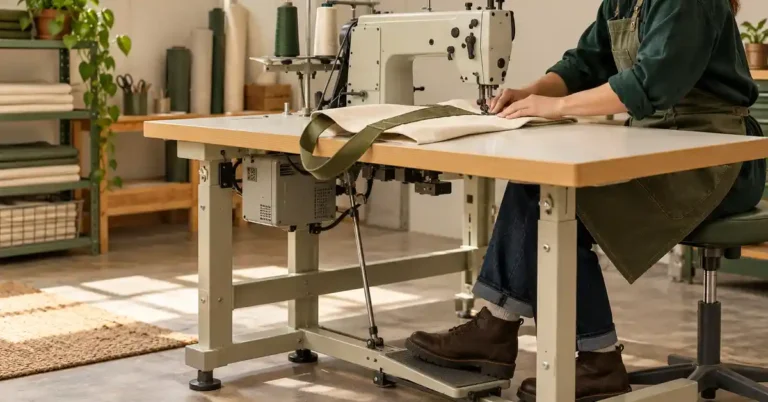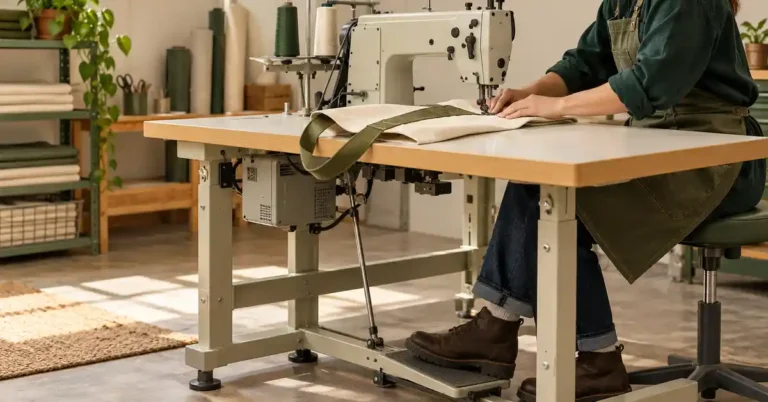

Sewing machines are essential tools for both amateur and professional sewers, allowing for a wide range of creative possibilities. Understanding the different sewing machine parts and their functions can greatly enhance your sewing experience. Not only does it help in troubleshooting issues, but it also empowers you to maintain and make the most out of your sewing machine. In this article, we will explore the various sewing machine parts with labels, their functions, and tips on how to care for them.
Overview of Sewing Machines
Sewing machines have evolved significantly over the years, from simple mechanical models to advanced computerized versions. Regardless of the type, every sewing machine has basic components that work together to create stitches. Understanding these parts is crucial for troubleshooting and enhancing your sewing projects.
Main Parts of a Sewing Machine
Every sewing machine consists of a series of interconnected parts that work in harmony. Here are the primary sewing machine parts along with their labels:
| Part | Description |
|---|---|
| Needle | The part that pierces the fabric and carries the thread to create stitches. |
| Presser Foot | Holds the fabric in place while sewing. |
| Feed Dogs | Small metal teeth that move the fabric under the needle. |
| Bobbin | Holds the lower thread and is located beneath the needle plate. |
| Thread Tension Dial | Adjusts the tension of the upper thread for smooth stitching. |
| Stitch Selector | Allows you to choose different stitch patterns. |
| Power Switch | Turns the sewing machine on and off. |
| Foot Pedal | Controls the speed of the sewing machine. |
Needle and Feed System
The needle and feed system is one of the most critical components of a sewing machine. Understanding how these parts function can help you select the right needle and stitch type for your fabric.
Needle Types
There are various types of needles, each designed for specific fabrics and sewing tasks:
- Universal Needles: Suitable for most woven and knit fabrics.
- Ballpoint Needles: Designed for knit fabrics; they won’t damage the fibers.
- Sharps Needles: Ideal for lightweight fabrics like silk and tulle.
- Jeans Needles: Made for thick fabrics like denim and canvas.
Feed Dogs
The feed dogs are essential for moving the fabric under the needle. If your feed dogs are not functioning correctly, you may encounter issues such as uneven stitching or fabric bunching.
Bobbin and Bobbin Case
The bobbin and bobbin case play a vital role in the sewing process by holding the lower thread. Understanding how to insert and wind the bobbin correctly can prevent common sewing issues.
How to Wind a Bobbin
- Place the spool of thread on the spool pin.
- Thread the machine according to your manual, leading to the bobbin winder.
- Insert the bobbin onto the bobbin winder spindle.
- Press the foot pedal to wind the bobbin.
Inserting the Bobbin
To insert the bobbin, follow these steps:
- Open the bobbin cover.
- Place the bobbin in the bobbin case, ensuring the thread unwinds in the correct direction.
- Pull the thread through the slot and under the tension spring.
- Close the bobbin cover.
Control Mechanisms
Understanding the control mechanisms of your sewing machine enhances your ability to create various stitches and patterns. Here are some key controls:
Thread Tension Dial
The thread tension dial allows you to adjust the tension of the upper thread. The right tension ensures that the stitches are balanced, neither too tight nor too loose.
Stitch Selector
The stitch selector enables you to choose between different stitch patterns, such as straight, zigzag, or decorative stitches. Familiarizing yourself with these options can expand your sewing capabilities.
Maintenance Tips
Proper maintenance of your sewing machine is crucial for prolonging its life and ensuring consistent performance. Here are some essential maintenance tips:
Regular Cleaning
Remove lint and dust from inside the machine regularly. Use a small brush or compressed air to clean the feed dogs and bobbin area.
Oil Your Machine
Many machines require occasional oiling. Refer to your manual for specific instructions on where and how to oil your machine.
Check Thread and Needle
Always use the correct thread type and size for your projects. Replace needles regularly to prevent sewing issues.
Frequently Asked Questions
A: It’s advisable to clean your sewing machine after every few projects or at least once a month if you sew regularly.
A: A quilting needle is recommended as it has a tapered point that helps to penetrate multiple layers of fabric without damaging them.
A: Skipped stitches can be caused by a dull needle, incorrect needle type, or improper threading. Ensure everything is set up correctly.
A: Check your thread, needle, and bobbin. Adjust the tension dial and test on scrap fabric to find the right balance.
Conclusion
Understanding sewing machine parts with labels is an essential step for anyone looking to improve their sewing skills. By familiarizing yourself with the various components, you can troubleshoot issues, maintain your machine effectively, and explore new sewing techniques. Remember that practice makes perfect, and with each project, you’ll gain more confidence in using your sewing machine. For those interested in embroidery, consider checking out our Top Pick: Perfect Towels for Embroidery Enthusiasts! and our Top Picks: Best Embroidery Frames with Glass. Happy sewing!