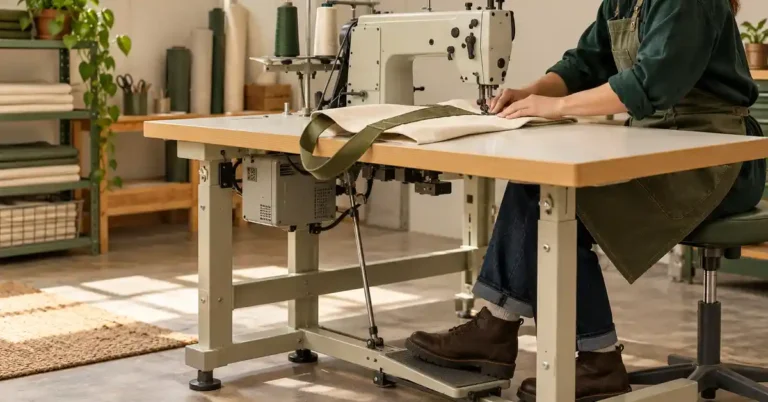
Quilting is a beloved craft that combines creativity, skill, and a touch of nostalgia. For many, the sound of a sewing machine humming along as fabric is transformed into a beautiful quilt is a source of joy and relaxation. Whether you are a seasoned quilter or just starting, understanding how to use your sewing machine effectively can elevate your quilting projects. In this sewing machine quilting guide, we will explore everything from basic machine settings to advanced techniques that can help you achieve professional-looking results.
Understanding Your Sewing Machine
Before diving into quilting, it’s essential to become acquainted with your sewing machine. Different machines come with various features, but most modern sewing machines include several essential components that are valuable for quilting.
Key Components of a Sewing Machine
| Component | Function |
|---|---|
| Needle | Used to stitch the fabric together. Specialized needles are available for quilting. |
| Foot Pedal | Controls the speed of the sewing machine. |
| Presser Foot | Holds the fabric in place while sewing. There are specific presser feet for quilting. |
| Feed Dogs | Help move the fabric through the machine as you sew. |
| Stitch Selector | Allows you to choose different stitch types and lengths. |
Essential Features for Quilting
When selecting a sewing machine for quilting, look for features that will make your quilting journey easier:
- Adjustable Stitch Length and Width: Allows you to customize stitches for different quilting styles.
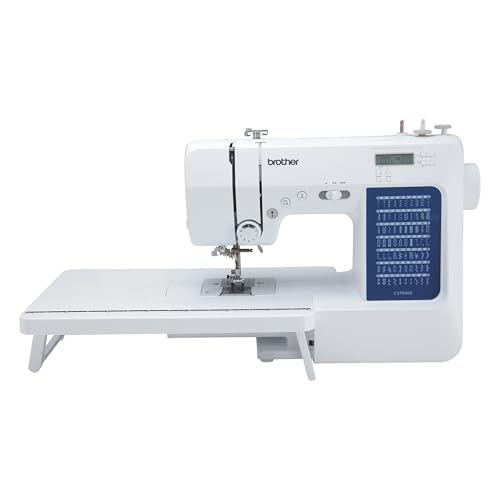
- Extension Table: Provides extra workspace for larger quilts.
- Automatic Needle Threader: Saves time and frustration.
- Built-in Stitch Patterns: Offers creativity and variety in your quilts.
Preparing Your Quilt
Preparation is vital for successful quilting. Properly preparing your fabric and quilt layers can help prevent issues during the quilting process.
Choosing Fabric for Quilting
Selecting the right fabric is crucial. Quilting cotton is the most popular choice due to its durability and ease of handling. Consider mixing various prints and solids for added visual interest.
Cutting and Piecing Your Quilt
Accurate cutting is essential for piecing your quilt. Use a rotary cutter and a self-healing mat for precise cuts. Always cut fabric with the grain to maintain its integrity and prevent distortion.
Layering Your Quilt
Once you have pieced your quilt top, it’s time to layer it with batting and backing fabric. Here’s how you can do it:
- Lay your backing fabric right side down on a flat surface.
- Place the batting on top of the backing.
- Finally, place the quilt top right side up on the batting.
- Pin or baste the layers together to prevent shifting during sewing.
Quilting Techniques
Once your quilt is layered, it’s time to choose a quilting technique that suits your project. Here are some popular methods:
Straight Line Quilting
This technique involves sewing straight lines across the quilt, either in a grid pattern or following the design of the quilt top. It’s a beginner-friendly method that adds texture without being overly complicated.
Free-Motion Quilting
Free-motion quilting allows for greater creativity as you can create intricate patterns. This technique requires practice to master, as you control the movement of the fabric instead of the feed dogs.
Echo Quilting
This method involves stitching around the edges of your quilt design, creating a series of concentric lines. It’s an excellent way to enhance the design without overwhelming it.
Machine Maintenance
Cleaning Your Sewing Machine
Dust and lint can accumulate in your sewing machine, especially when quilting. Regularly clean your machine by following these steps:
- Unplug the machine before cleaning.
- Remove the needle and presser foot.
- Use a soft brush to remove lint from the feed dogs and bobbin area.
- Wipe down the exterior with a soft cloth.
Oiling Your Sewing Machine
Consult your sewing machine manual for instructions on oiling. Regular oiling helps keep the moving parts lubricated, reducing wear and tear.
Troubleshooting Common Issues
Even experienced quilters face challenges. Here are some common problems and their solutions:
Thread Bunching or Birdnesting
This issue occurs when the thread tangles beneath the fabric. Here’s how to fix it:
- Check that the thread is correctly threaded through the machine.
- Ensure you’re using the correct needle for your fabric.
- Adjust the tension settings to see if that resolves the issue.
Skipped Stitches
Skipped stitches can be frustrating, but they can often be resolved easily. Here are a few tips:
- Replace your needle if it’s dull or damaged.
- Ensure the needle is properly inserted and facing the correct direction.
- Adjust the tension settings if necessary.
FAQ
A: A machine with a wide throat space, a walking foot, and adjustable stitch settings is ideal for quilting.
A: Look for 100% cotton fabric as it is durable and easy to work with, and consider a mix of prints and solids for visual interest.
A: Piecing refers to sewing fabric pieces together to create the quilt top, while quilting is the process of sewing the quilt layers together to add texture and design.
A: It’s recommended to service your machine at least once a year, but if you sew frequently, more regular servicing may be beneficial.
Conclusion
Quilting with a sewing machine can be a rewarding and creative endeavor. By understanding your machine, preparing your fabric, and mastering various techniques, you can create beautiful quilts that showcase your skills. Remember to maintain your machine and troubleshoot any issues that arise to ensure a smooth quilting experience. With practice and patience, you’ll find that the world of quilting is filled with endless possibilities. So, gather your materials, thread your machine, and let your creativity flow!
For those looking to expand their sewing skills, consider exploring the following resources: