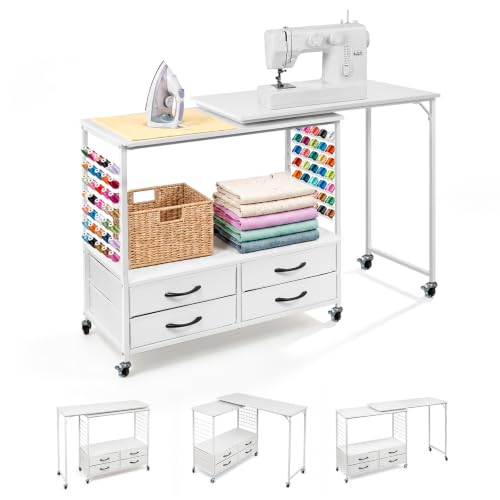
Sewing Machine Table Extension
On this page
For sewing enthusiasts, the right setup can make all the difference between a seamless project and a frustrating experience. One essential component that often gets overlooked is the sewing machine table extension. This handy addition can significantly enhance your workspace, providing extra support for larger projects and making sewing a more enjoyable and efficient task. Whether you’re a seasoned sewist or just starting, understanding the benefits and options for a sewing machine table extension can help you elevate your craft.
Table of Contents
- What Is a Sewing Machine Table Extension?
- Benefits of Using a Sewing Machine Table Extension
- Types of Sewing Machine Table Extensions
- How to Choose the Right Sewing Machine Table Extension
- Installation and Setup
- Maintenance
- FAQ
- Conclusion
What Is a Sewing Machine Table Extension?
A sewing machine table extension is an add-on that increases the surface area of your sewing table. It is designed to provide extra support and stability for larger fabric pieces, making it easier to sew, quilt, or embroider without the risk of fabric bunching or slipping. Extensions can come in a variety of forms, from simple drop-down leaves to more complex attachments that integrate seamlessly with your existing table.
Benefits of Using a Sewing Machine Table Extension
Incorporating a sewing machine table extension into your workspace can bring numerous advantages. Here are some of the key benefits:
Increased Workspace
The primary advantage of a table extension is the additional workspace it provides. This becomes particularly important when working with larger pieces of fabric, such as quilts or draperies, where having a stable and expansive surface can lead to better results.
Improved Stability
A sewing machine table extension can enhance stability by supporting the weight of larger projects, reducing the risk of fabric shifting during sewing. This is especially beneficial for projects that involve multiple layers or heavier materials.
Enhanced Comfort
With a larger work area, you can maintain a more comfortable posture while sewing. This can reduce strain on your back and neck, allowing you to sew for longer periods without discomfort.
Types of Sewing Machine Table Extensions
When considering a sewing machine table extension, it’s essential to understand the different types available. Here are some common options:
Drop-Down Extensions
These extensions are often hinged and can be folded down when not in use. They are great for saving space in smaller sewing areas while still providing the option for a larger workspace when needed.
Slide-Out Extensions
Slide-out extensions are integrated into the sewing table and can be pulled out when needed. This type of extension offers a quick and easy way to increase your workspace without permanent modifications.
Custom Extensions
For those with specific needs, custom extensions can be designed to fit your sewing machine and workspace perfectly. This option may require more investment but can provide the ideal solution for your sewing setup.
| Type of Extension | Advantages | Disadvantages |
|---|---|---|
| Drop-Down | Space-saving; easy to use | May not be as sturdy as fixed options |
| Slide-Out | Convenient; integrates well with existing tables | May require additional maintenance |
| Custom | Perfect fit; tailored to your needs | Higher cost; longer production time |
How to Choose the Right Sewing Machine Table Extension
Selecting the right sewing machine table extension involves considering several factors to ensure you make the best choice for your sewing needs.
Compatibility
Always check the compatibility of the extension with your sewing machine model. Not all extensions will fit every machine, so it’s crucial to verify before making a purchase.
Size and Space
Measure your current sewing table and the space available in your sewing area. Ensure that the extension will fit comfortably without overcrowding your workspace.
Material and Durability
Choose an extension made from durable materials that can withstand the weight of your projects. Look for options that offer stability and support for heavier fabrics.
Budget
Consider your budget when selecting an extension. Prices can vary significantly based on the type and features of the extension, so determine how much you’re willing to invest before shopping.
Installation and Setup
Once you’ve selected the right sewing machine table extension, it’s time to install and set it up. Follow these steps for a smooth installation process:
Gather Your Tools
Before you begin, gather all necessary tools for the installation. This may include a screwdriver, measuring tape, and any hardware that came with the extension.
Follow Manufacturer Instructions
Carefully read the installation manual provided by the manufacturer. Each extension may have specific installation instructions that need to be followed for optimal performance.
Secure the Extension
Ensure that the extension is securely attached to your sewing table. Test stability by applying gentle pressure to ensure it can support the weight of your sewing machine and projects.
Maintenance
To keep your sewing machine table extension in top condition, regular maintenance is essential. Here are some maintenance tips:
Cleaning
Regularly dust and wipe down the extension surface to prevent fabric lint and debris from accumulating. Use a gentle cleaner suitable for the material to avoid damage.
Check for Stability
Periodically check that the extension remains securely attached. Tighten any loose screws or fittings to maintain stability during use.
FAQ
A: Not all extensions are compatible with every sewing machine. It’s essential to check compatibility before purchasing.
A: Use a gentle cleaner suitable for the material of the extension. Regularly dust and wipe down the surface to keep it clean.
A: Custom extensions can provide a perfect fit and tailored solution, making them worth the investment for serious sewists.
A: Utilize the extra space for larger projects, keep your tools organized nearby, and always ensure the extension is clean and stable.
Conclusion
Investing in a sewing machine table extension can transform your sewing experience, offering enhanced workspace, stability, and comfort. By understanding the different types of extensions available and considering vital factors such as compatibility and size, you can choose the right addition to your sewing setup. Regular maintenance will ensure that your extension remains in excellent condition, allowing you to focus on what you love most—creating beautiful projects. Whether you’re sewing stylish embroidered chef coats, exploring hand embroidery on a denim jacket, or trying out a laser cut embroidery machine, a sewing machine table extension can be a valuable asset in your creative journey.