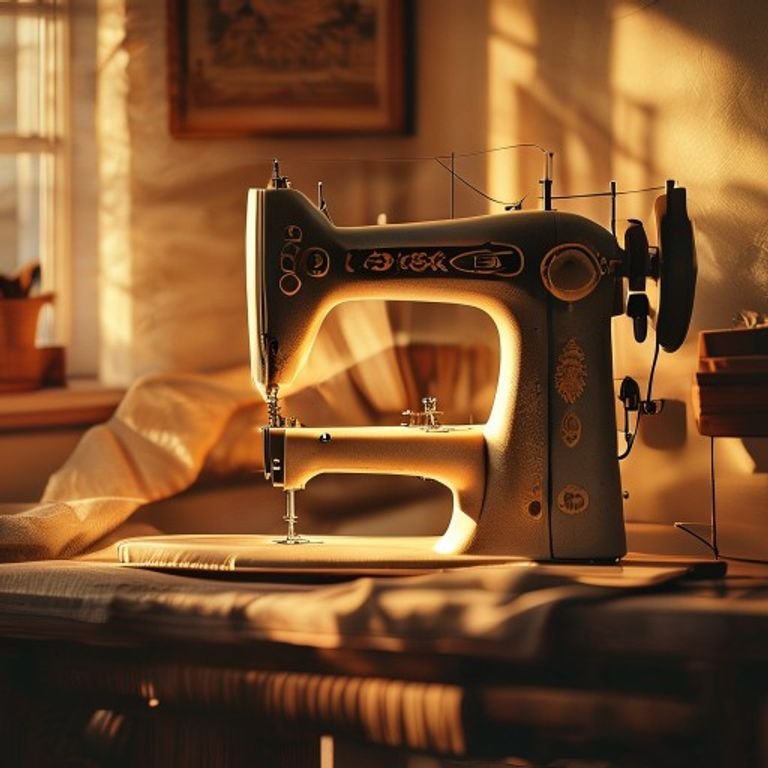

Sewing machines are intricate devices that require regular maintenance and understanding of their components to operate smoothly. Among these components, the sewing machine take-up spring plays a crucial role in the overall function of the machine. This article delves into the purpose of the take-up spring, its significance, how to maintain it, and troubleshooting tips to ensure your sewing projects run flawlessly.
Table of Contents
- What is a Take-Up Spring?
- Importance of the Take-Up Spring
- How the Take-Up Spring Works
- Maintenance Tips for the Take-Up Spring
- Troubleshooting the Take-Up Spring
- FAQ
What is a Take-Up Spring?
The take-up spring is a vital component found in most sewing machines. It is responsible for controlling the tension of the upper thread as it is fed through the machine. Located near the needle area, the take-up spring allows the thread to move smoothly and adjusts the tension according to the sewing speed and type of fabric being used.
Structure of the Take-Up Spring
The take-up spring is generally made of metal and has a coiled structure. This design allows it to stretch and contract, providing the necessary tension for the thread during the sewing process. The correct tension is crucial for creating even stitches and preventing thread breakage.
Importance of the Take-Up Spring
The take-up spring plays multiple roles in the sewing process. Here are some key reasons why it is essential:
- Thread Tension Control: The primary function of the take-up spring is to maintain proper tension on the upper thread, which is crucial for achieving balanced stitches.
- Adaptability: It adjusts to different sewing speeds and fabric types, ensuring that the thread flows smoothly through the needle.
- Preventing Thread Breakage: A well-functioning take-up spring minimizes the risk of thread breakage by maintaining adequate tension.
- Improving Stitch Quality: Proper tension leads to cleaner, more professional-looking stitches, enhancing the overall quality of the finished project.
How the Take-Up Spring Works
The functioning of the take-up spring can be understood through its interaction with other components of the sewing machine:
Interaction with the Needle
As the needle moves up and down, the take-up spring adjusts to provide the right amount of tension on the upper thread. When the needle moves down, the take-up spring allows the thread to feed through, and when the needle rises, it pulls the thread back, creating the necessary tension for the stitch.
Relationship with the Bobbin
The take-up spring works in tandem with the bobbin to create a balanced stitch. If the tension from the take-up spring is too high or too low, it can lead to uneven stitches or thread bunching on the underside of the fabric.
Maintenance Tips for the Take-Up Spring
To ensure the longevity and effectiveness of the take-up spring, regular maintenance is essential. Here are some practical tips:
Regular Cleaning
Dust and lint can accumulate around the take-up spring, affecting its performance. Regularly clean this area with a soft brush or a vacuum attachment designed for sewing machines.
Lubrication
Some sewing machines require lubrication of the take-up spring area to ensure smooth movement. Refer to your machine’s manual for specific instructions on lubrication.
Check for Wear and Tear
Inspect the take-up spring for any signs of wear, such as bending or breakage. If you notice any damage, it is crucial to replace the spring to maintain optimal sewing performance.
Troubleshooting the Take-Up Spring
Even with proper maintenance, issues can arise with the take-up spring. Here are some common problems and solutions:
Uneven Stitches
If you notice uneven stitches, the take-up spring may not be providing the correct tension. Check the following:
- Is the take-up spring properly threaded?
- Is the tension setting on your machine too tight or too loose?
- Is the thread type compatible with the fabric you are using?
Thread Breakage
Frequent thread breakage can indicate that the take-up spring is damaged or misaligned. To troubleshoot:
- Inspect the take-up spring for physical damage.
- Ensure the upper thread is correctly threaded through the take-up spring.
- Check the tension settings and adjust as necessary.
Thread Bunching
Thread bunching on the underside of the fabric could be a sign of incorrect tension. Consider the following steps:
- Re-evaluate the tension settings on both the upper and lower threads.
- Make sure the bobbin is correctly wound and inserted.
- Examine the take-up spring for any blockages or lint buildup.
A: It’s best to check and clean the take-up spring regularly, ideally after every few sewing sessions or whenever you notice a change in stitch quality.
A: Yes, if you have a basic understanding of sewing machine mechanics, you can replace the take-up spring yourself. However, consult your machine’s manual for specific instructions.
A: The best thread type depends on the fabric you are using. Always refer to your sewing machine manual for recommendations on thread types compatible with your machine.
FAQ Section
A: If the take-up spring is not working correctly, it can lead to a variety of issues, including uneven stitches, thread breakage, and fabric bunching.
A: No, while the take-up spring serves the same purpose, its design and location may vary between different brands and models of sewing machines.
A: No, the take-up spring is essential for controlling thread tension, and using a sewing machine without it would result in poor stitch quality and may damage the machine.
In conclusion, understanding the sewing machine take-up spring is essential for any sewing enthusiast. This often-overlooked component plays a critical role in maintaining thread tension, which directly impacts stitch quality. By following proper maintenance practices and being aware of troubleshooting steps, you can ensure that your sewing machine performs optimally.
For those looking to expand their sewing knowledge or explore related topics, check out our articles on Charming Pot Leaf Embroidery Design: A Crafty Delight, or learn What is the difference between an embroidery machine and a monogramming machine?. You might also find our Review: husqvarna viking diamond embroidery machine helpful, or if you’re interested in handwork, explore Discover the Magic of Hand Embroidery Floral Patterns. Lastly, check out our review of the Babylock Ellisimo Embroidery Machine: Worth Every Stitch! for insights into advanced sewing technologies.