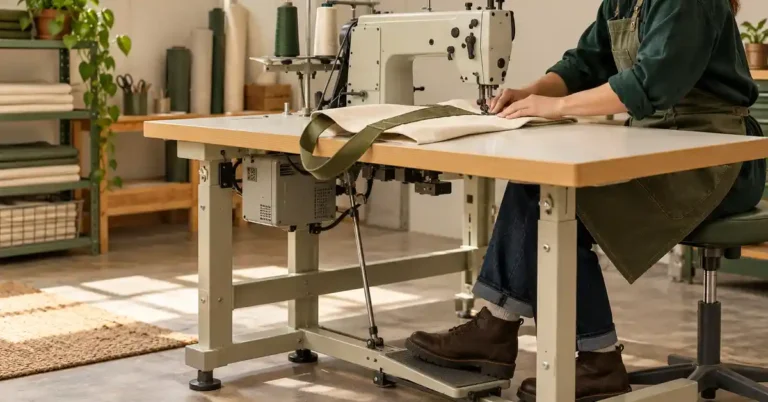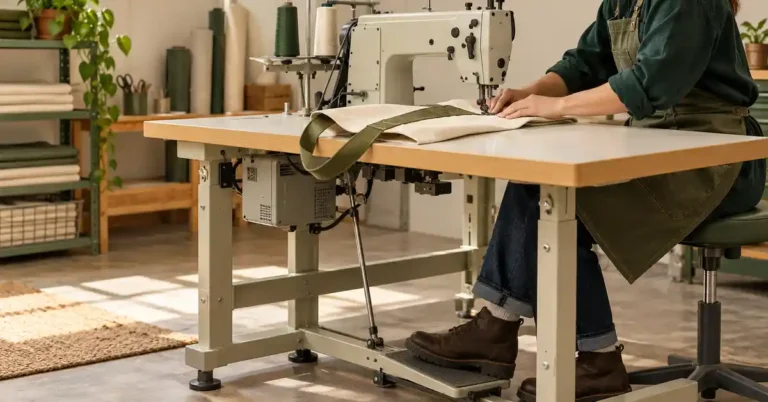
When it comes to sewing leather, having the right tools is essential to achieving professional results. Unlike regular fabrics, leather requires specific features in a sewing machine to handle its unique properties. Whether you’re crafting bags, jackets, or upholstery, understanding the types of sewing machines that can sew leather will help you make an informed decision. In this article, we’ll explore the best sewing machines for leather, what features to look for, and some tips for sewing leather successfully.
Why Choose a Leather Sewing Machine?
Sewing leather is different from sewing regular fabrics due to its thickness, texture, and tendency to stretch. A specialized sewing machine can make all the difference in achieving clean seams and preventing damage to your materials. Here are a few reasons why opting for a dedicated leather sewing machine is beneficial:
- Durability: Leather sewing machines are built to handle heavy materials without faltering.
- Precision: These machines offer precise stitching that is crucial for leather projects.
- Versatility: Many leather sewing machines can also sew through other heavy fabrics, making them a versatile addition to your sewing arsenal.
Features to Consider
When shopping for a sewing machine that can sew leather, there are several features you should prioritize:
Walking Foot
A walking foot helps to evenly feed multiple layers of leather through the machine. This is particularly important because leather can stick and shift during the sewing process.
Heavy-Duty Needles
Leather requires specialized needles that can penetrate its tough fibers without breaking. Look for needles specifically designed for leather, often labeled as “leather needles.”
Adjustable Presser Foot Pressure
Being able to adjust the presser foot pressure allows you to better handle different thicknesses of leather. This feature is crucial for ensuring that your leather is fed evenly and doesn’t get damaged.
Stitching Options
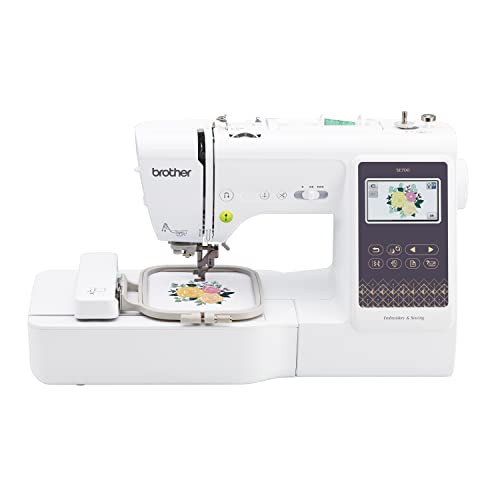
Choose a machine that offers various stitching options, including zigzag stitches and decorative stitches, which can be beneficial for creating unique designs on your leather projects.
Motor Strength
A powerful motor is essential for sewing through thick materials. Machines with strong motors will help you sew with ease and maintain consistent stitching.
Top Sewing Machines for Leather
Here’s a list of some of the best sewing machines that can handle leather effectively:
| Machine | Type | Key Features | Price Range |
|---|---|---|---|
| Singer Heavy Duty 4423 | Mechanical | Powerful motor, 23 built-in stitches, adjustable presser foot pressure | $200-$250 |
| Brother ST371HD | Mechanical | Heavy-duty design, 37 built-in stitches, walking foot included | $150-$200 |
| Juki TL-2010Q | Quilting | High-speed stitching, large throat space, adjustable stitch length | $600-$700 |
| Janome HD3000 | Mechanical | Heavy-duty aluminum body, 18 built-in stitches, automatic needle threader | $300-$400 |
| Pfaff Quilt Expression 720 | Computerized | Integrated IDT technology, extensive stitch options, large workspace | $1,200-$1,500 |
Sewing Tips for Leather
Sewing leather can be challenging, but with the right techniques, you can achieve stunning results. Here are some tips to keep in mind:
Prepare Your Leather
Always pre-wash your leather if it’s washable. If you’re working with suede or other sensitive types of leather, consider testing a small inconspicuous area first.
Use the Right Thread
Opt for polyester or nylon thread for leather sewing. These threads are strong and can withstand the stress that leather projects often endure.
Practice on Scraps
Before starting your main project, practice sewing on scrap pieces of leather. This will help you get a feel for the machine and the material, ensuring better results.
Use a Teflon Foot
A Teflon foot can help you glide over the leather effortlessly. This is especially beneficial for projects where you need to sew multiple layers.
Adjust Your Tension
Leather can require different tension settings compared to regular fabric. Don’t hesitate to experiment with your tension settings to find the best configuration for your project.
FAQ
A: Not all sewing machines can sew leather effectively. Look for heavy-duty or specialized machines with specific features like walking feet and heavy-duty needles.
A: Use a leather needle, which has a wedge-shaped tip that allows it to penetrate the material without damaging it.
A: While not strictly necessary, a walking foot is highly recommended as it helps to evenly feed thick leather through the machine, preventing shifting and bunching.
A: It’s best to use polyester or nylon thread, as they provide the strength needed for leather projects.
A: You can use edge finishing tools, such as a rotary cutter or leather edge beveler, to achieve clean and polished edges.
In conclusion, sewing leather is a rewarding craft that requires the right tools and techniques. By investing in a quality sewing machine designed to handle leather, you can create beautiful and lasting projects. Remember to consider the essential features, practice on scraps, and use the proper materials to ensure success in your leather sewing endeavors. Whether you’re creating customized bags or fashion pieces, the possibilities are endless when you have the right equipment. Happy sewing!