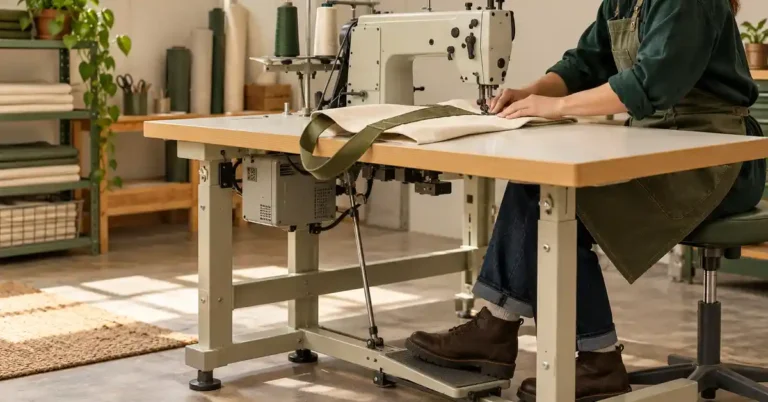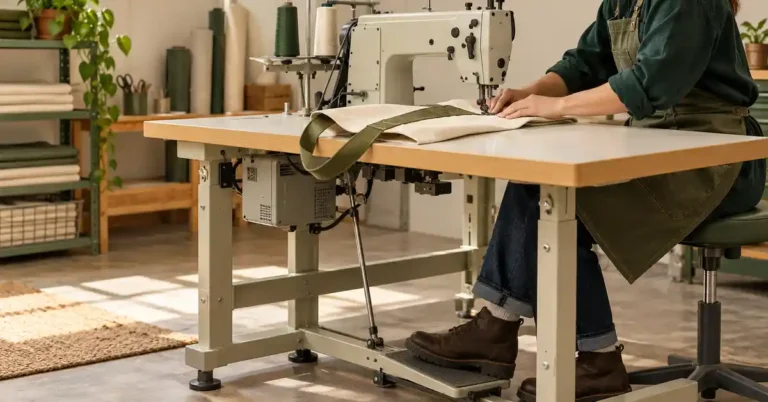
When it comes to crafting high-quality leather goods, having the right sewing machine is paramount. Regular sewing machines often struggle with the thick and tough material of leather, leading to frustration and unsatisfactory results. This is where a specialized sewing machine used for leather comes into play, designed specifically to handle the unique challenges posed by this durable fabric. In this guide, we will explore the best sewing machines for leather, their features, and tips for getting the best results.
Understanding Leather Sewing Machines
Leather sewing machines are engineered to handle the heavy weight and thickness of leather. Unlike standard fabric sewing machines, which may struggle with multiple layers of leather, these specialized machines feature robust components that can tackle the challenge head-on. They are ideal for creating everything from leather bags and jackets to upholstery and accessories.
The Importance of Using the Right Machine
Using a sewing machine designed for leather not only simplifies the process but also enhances the quality of your final product. The right machine will help you achieve clean, professional-looking seams without breaking needles or damaging the leather.
Key Features to Look For
When selecting a sewing machine for leather, there are several features to consider that can significantly affect your sewing experience and outcomes:
| Feature | Description |
|---|---|
| Strong Motor | A powerful motor ensures that the machine can handle thick leather without stalling. |
| Walking Foot | A walking foot helps to feed the leather evenly, preventing slipping and bunching. |
| Adjustable Presser Foot Pressure | This allows you to customize the pressure applied to the leather, which is crucial for different thicknesses. |
| Multiple Stitch Options | Variety in stitch types allows for creative designs and different seam finishes. |
| Needle Size Options | Having various needle sizes is essential for tackling different leather thicknesses. |
Top Sewing Machines for Leather
Here are some of the best sewing machines specifically designed for working with leather:
1. Juki TL-2010Q
The Juki TL-2010Q is a powerhouse designed for heavy-duty sewing. It features a large throat space, making it ideal for quilting and leatherwork. This machine boasts a high-speed stitch rate, ensuring that you complete your projects quickly and efficiently.
2. Brother PQ1500SL
The Brother PQ1500SL is another excellent option for leather projects. With its adjustable presser foot and powerful motor, it can easily handle multiple layers of leather. This machine also offers a variety of stitch options, including a walking foot for easier feeding of thick materials.
3. Singer Heavy Duty 4423
For those on a budget, the Singer Heavy Duty 4423 provides a great balance of performance and affordability. It features a strong motor and a variety of stitch options, making it a versatile choice for both beginners and experienced sewists.
Sewing Techniques and Tips
Working with leather requires specific techniques to ensure the best results. Here are some essential tips to keep in mind:
Choosing the Right Needle and Thread
Use a leather needle, which has a wedge-shaped point designed to penetrate thick layers of leather without damaging it. Additionally, opt for polyester or nylon thread, as these materials provide strength and durability.
Preparing Your Leather
Before sewing, make sure to cut your leather accurately. Use a sharp rotary cutter or a utility knife for clean edges. Avoid using scissors, as they can cause fraying and uneven cuts.
Seam Allowance
When sewing leather, it’s essential to leave ample seam allowance. A 1/4 inch to 1/2 inch seam allowance is generally recommended to provide enough material for strong seams.
Sewing Techniques
When sewing leather, consider using the following techniques for better results:
- Backstitching: This technique reinforces the seams by sewing in reverse at the beginning and end of a seam.
- Topstitching: This adds a decorative touch and strengthens seams, especially on visible edges.
- Edge Finishing: Use edge tools to smooth and finish raw edges for a polished look.
Maintenance and Care
To ensure the longevity of your leather sewing machine, regular maintenance is crucial. Here are some tips for keeping your machine in top shape:
Cleaning Your Machine
Regularly clean the machine by removing dust and lint, especially from the bobbin area and feed dogs. Use a soft brush and a vacuum attachment to keep these areas clean.
Oiling
Refer to your machine’s manual for specific oiling instructions. Generally, applying a few drops of sewing machine oil to the moving parts will keep your machine running smoothly.
Storage
When not in use, cover your sewing machine to protect it from dust and debris. Ensure it is stored in a dry area to prevent moisture damage.
FAQ
A: While you can use a regular sewing machine for thin leather, heavy-duty leather projects are best accomplished with a specialized leather sewing machine to avoid damage to the machine and the leather.
A: Polyester or nylon thread is recommended for leather as it is strong and durable, capable of withstanding the stress of heavy use.
A: Yes, leather needles have a wedge-shaped point that allows them to penetrate the material without causing damage, making them essential for sewing leather.
A: Use a sharp rotary cutter or utility knife for clean, precise cuts. Avoid scissors, as they can create uneven edges.
In conclusion, selecting the right sewing machine for leather is crucial to achieving high-quality results in your leather crafting projects. By understanding the unique features that a leather sewing machine offers, making informed choices on tools and techniques, and maintaining your machine properly, you can create beautiful and durable leather items. Whether you are a beginner or an experienced sewist, investing in a suitable leather sewing machine will elevate your crafting experience and the quality of your finished products.
For those looking to expand their sewing capabilities, consider exploring other related topics such as Joann embroidery machines, or learn how to jazz up your wardrobe with embroidery iron-on letters. If you are interested in ensuring the longevity of your equipment, check out our guide on Brother embroidery machine repairs. For unique finds, discover embroidery places in Baltimore, or explore new age custom embroidery for personalized pieces.