Quilting has long been a cherished craft, bringing together creativity and functionality to create beautiful, cozy masterpieces. Whether you’re a seasoned quilter or just starting out, the type of sewing machine you choose can significantly impact your quilting experience. With numerous options available on the market, understanding what to look for in sewing machines for quilting becomes essential. This guide will delve into the features, types, and considerations to help you find the perfect sewing machine for your quilting projects.
Table of Contents
- Key Features to Look For
- Types of Sewing Machines for Quilting
- Top Brands for Quilting Machines
- Maintenance Tips for Sewing Machines
- FAQ
Key Features to Look For
When shopping for a sewing machine specifically for quilting, there are several key features that can greatly enhance your experience and the quality of your work. Below are some essential aspects to consider:
Throat Space
The throat space, or the area between the needle and the body of the machine, is crucial for quilting. A larger throat space allows you to maneuver larger quilts more easily.
Stitch Quality
High stitch quality is essential for quilting. The machine should produce even stitches, with options for various stitch types, including straight, zigzag, and decorative stitches.
Speed Control
Some quilting requires precise sewing, so a machine with adjustable speed control can be beneficial. This feature allows you to slow down for intricate designs or speed up for basic stitching.
Built-in Quilting Features
Many modern sewing machines come with built-in features for quilting, such as walking feet, quilting feet, and even computerized patterns. These features can simplify the quilting process and enhance creativity.
Ease of Use
An intuitive interface and easy threading system can make a significant difference, especially for beginners. Look for machines with user-friendly controls and clear instructions.
Types of Sewing Machines for Quilting
There are several types of sewing machines suitable for quilting, each with its benefits and drawbacks. Understanding these can help you make an informed choice.
Mechanical Sewing Machines
Mechanical sewing machines are often more affordable and simpler to use. They are a good choice for beginners or those who prefer a straightforward approach to quilting.
Electronic Sewing Machines
These machines offer more features than mechanical ones, such as automatic needle threading and programmable stitch patterns. They provide a good balance between ease of use and advanced features.
Computerized Sewing Machines
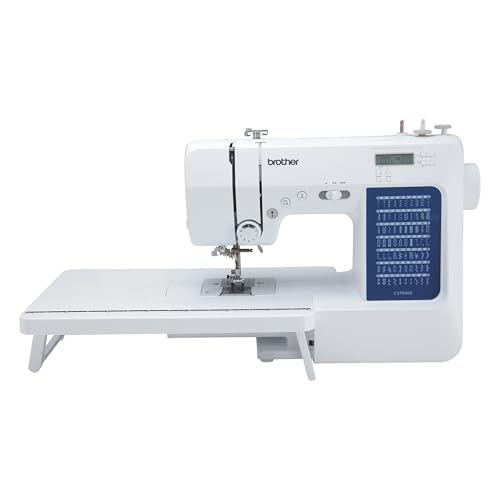
Computerized sewing machines are the most advanced, offering a wide range of features, including digital displays, customizable stitch patterns, and built-in tutorials. They are ideal for serious quilters who want to explore intricate designs.
Longarm Quilting Machines
Longarm machines are specifically designed for quilting larger projects. They have an extended throat space and often come with advanced features for quilting complex patterns. However, they tend to be more expensive and require a larger workspace.
Top Brands for Quilting Machines
When it comes to sewing machines for quilting, certain brands have established a reputation for quality and reliability. Here are some of the top brands to consider:
| Brand | Highlights | Best For |
|---|---|---|
| Brother | Variety of features, good value for money | Beginners to intermediate quilters |
| Singer | Classic models, reliability | All skill levels |
| Janome | Innovative features, high-quality stitching | Serious quilters |
| Bernina | Precision and durability, luxury features | Experienced quilters |
| Pfaff | Integrated dual feed system, quality construction | Intermediate to advanced quilters |
Maintenance Tips for Sewing Machines
To keep your sewing machine in top shape for quilting, regular maintenance is essential. Here are some tips to ensure your machine remains functional and efficient:
Regular Cleaning
Dust and lint can accumulate in your sewing machine, affecting its performance. Clean the bobbin area and feed dogs regularly to avoid problems.
Oil the Machine
Most machines require oiling at regular intervals. Consult your manual for specific instructions on how to oil your model correctly.
Use Quality Thread
Invest in high-quality thread to reduce the chances of tangling and breakage, which can disrupt your quilting process.
FAQ
A: A good choice for beginners is a mid-range electronic sewing machine that offers basic quilting features, like adjustable speed and a variety of stitches. Brands like Brother and Singer offer excellent options at reasonable prices.
A: While you can technically use any sewing machine for quilting, machines with larger throat space, adjustable speed, and specialized quilting feet will provide a much better experience.
A: It’s advisable to have your sewing machine serviced at least once a year or every 100 hours of use, whichever comes first. Regular cleaning and maintenance can help prolong the time between services.
A: A longarm quilting machine is designed specifically for quilting larger projects. It features an extended throat space and is often used for intricate quilting designs.
In conclusion, choosing the right sewing machine for quilting involves careful consideration of features, types of machines, and brand reliability. By understanding your quilting needs and preferences, you can find a machine that enhances your creativity and makes the quilting process enjoyable. Whether you’re making a cozy quilt for a loved one or creating a stunning wall hanging, the right sewing machine will be your trusty companion in crafting beautiful quilts for years to come. For those looking to expand their embroidery skills, don’t forget to check out our reviews on embroidery machine covers, the PR655 embroidery machine, and the cutwork embroidery machine. Happy quilting!