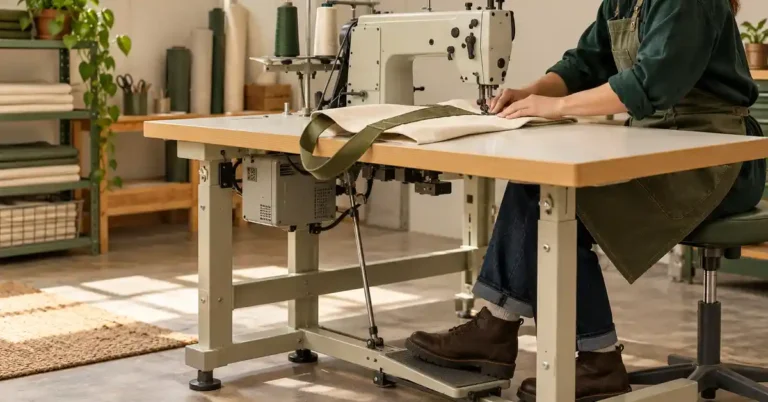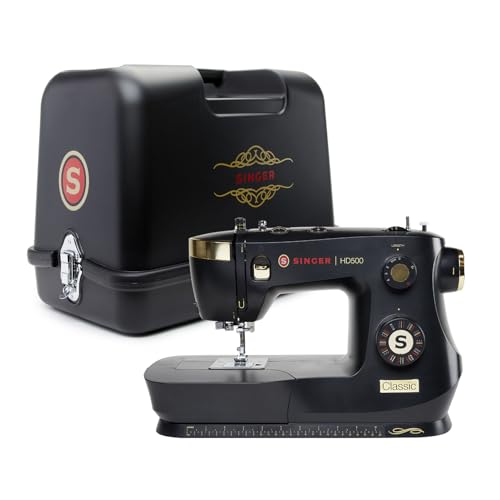

Vintage Singer sewing machine pedals are not just mechanical components; they are a blend of engineering artistry and nostalgia that connects us to the rich history of sewing. As sewing enthusiasts and collectors, many of us find ourselves drawn to these iconic pedals that have stood the test of time. They serve as a vital part of the vintage Singer sewing machine experience, allowing for a smooth and controlled sewing operation. Whether you’re a seasoned sewer or just starting your journey, understanding the significance, functionality, and maintenance of these pedals can enhance your sewing experience.
History of Vintage Singer Sewing Machine Pedals
The Singer Sewing Machine Company has been a pioneer in the sewing industry since its inception in the 1850s. The introduction of the foot pedal in the early 20th century revolutionized sewing, allowing users to operate their machines hands-free while maintaining better control over their sewing speed. Initially, these pedals were simple mechanical devices, but as technology advanced, they evolved into more sophisticated components.
Vintage Singer sewing machine pedals reflect the design trends and technological innovations of their time. For instance, early pedals were made of heavy metal and were designed to withstand the rigors of frequent use. As electric sewing machines became popular in the mid-20th century, the design of the pedals changed significantly, integrating electrical components that allowed for variable speed control. Today, collectors and sewing enthusiasts appreciate these pedals not only for their functionality but also for their historical significance.
Functionality of the Pedal
The primary function of the vintage Singer sewing machine pedal is to control the speed of the sewing machine. By pressing down on the pedal, the user can adjust the speed at which the machine sews, enabling greater precision and control over various sewing tasks.
Mechanics of the Pedal
Most vintage Singer sewing machine pedals operate using a simple electrical mechanism. When the pedal is pressed, it completes a circuit that allows electricity to flow to the sewing machine motor. The pressure applied to the pedal determines the amount of electricity supplied to the motor, thus controlling the speed of the machine.
Benefits of Using a Vintage Singer Sewing Machine Pedal
- Precision Control: Allows for detailed work like applique or free-motion quilting where speed control is essential.
- Hands-Free Operation: Frees both hands for guiding fabric, making sewing easier and more efficient.
- Durability: Many vintage pedals are built to last, often made from robust materials that withstand years of use.
Types of Vintage Singer Sewing Machine Pedals
Vintage Singer sewing machine pedals come in various types, each designed for specific models and functionalities. Understanding the differences can help you choose the right pedal for your machine.
Mechanical Pedals
Mechanical pedals are typically found in older Singer models. These pedals do not have electrical components and rely solely on mechanical mechanisms to control the sewing machine. They provide a straightforward and reliable way to operate the machine.
Electric Pedals
As technology advanced, electric pedals became the norm. These pedals feature variable speed control, allowing users to adjust the sewing speed smoothly. Electric pedals are compatible with a wide range of Singer sewing machines, especially those produced from the 1950s onwards.
| Type | Features | Suitable Models |
|---|---|---|
| Mechanical | Simple, robust, no electrical components | Older Singer models (pre-1950) |
| Electric | Variable speed control, electrical components | Most Singer models from 1950s onward |
Maintenance and Care
Proper maintenance of your vintage Singer sewing machine pedal can extend its lifespan and ensure optimal performance. Here are some essential maintenance tips:
Regular Cleaning
Dust and lint can accumulate in the pedal over time, affecting its functionality. Regularly clean the pedal using a soft, dry cloth to remove debris. Avoid using abrasive materials, which can scratch or damage the surface.
Inspecting Wires and Connections
For electric pedals, regularly inspect the wires and connections for fraying or damage. If you notice any issues, discontinue use and consult a professional for repairs.
Lubrication
If your pedal has moving parts, applying a small amount of lubricant can help maintain smooth operation. Use a suitable lubricant recommended for sewing machines and avoid over-lubricating, as this can attract dust and debris.
Troubleshooting Common Issues
Even vintage Singer sewing machine pedals can experience problems from time to time. Here are some common issues and their solutions:
Pedal Not Responding
If your pedal is unresponsive, check the following:
- Ensure that the machine is plugged in and the power source is functioning.
- Inspect the pedal for any visible damage or frayed wires.
- Try using a different outlet to rule out electrical issues.
Inconsistent Speed Control
If you notice that the speed control is erratic, it may be due to debris in the pedal mechanism or worn-out components. Cleaning the pedal thoroughly often resolves this issue. If problems persist, consider seeking professional repair services.
Frequently Asked Questions
A: It is generally not recommended to use a modern pedal with a vintage machine due to compatibility issues. Always use a pedal specifically designed for your machine model.
A: Replacement pedals can often be found at sewing machine repair shops, online marketplaces, or specialty vintage sewing machine retailers.
A: Check the model number of your sewing machine and consult the manufacturer’s specifications or a sewing machine expert to confirm compatibility.
Conclusion
Vintage Singer sewing machine pedals play a crucial role in the operational efficiency and enjoyment of sewing. With a rich history and a design that has evolved over the decades, these pedals not only facilitate sewing but also connect us to the artistry of the past. By understanding their functionality, types, maintenance, and troubleshooting, you can ensure that your sewing experience remains smooth and enjoyable. Whether you’re using your vintage machine for practical projects or creative endeavors, the right pedal can make all the difference. So, embrace the charm of vintage sewing and keep your pedal in top condition for years of sewing enjoyment!