
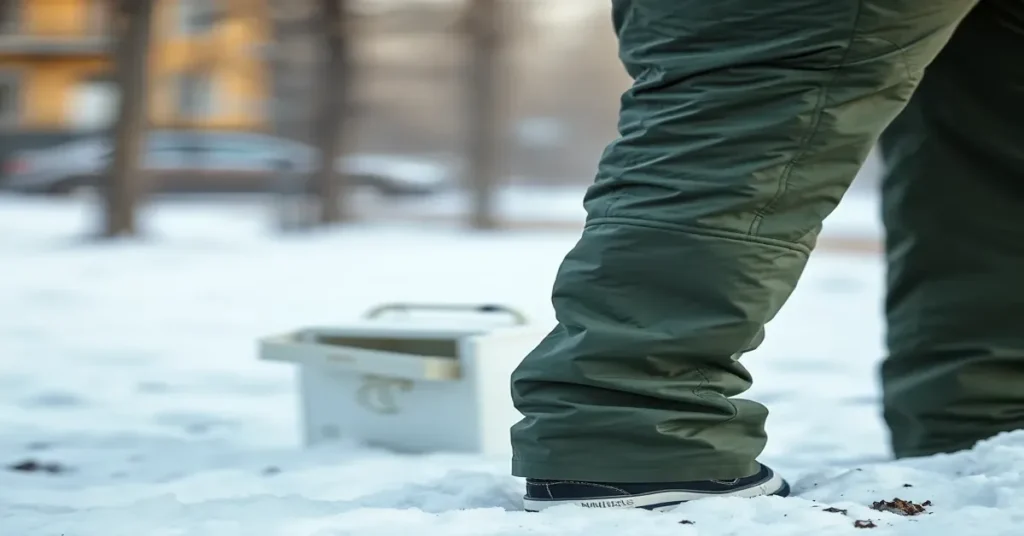

When it comes to staying warm in cold weather, most people think of jackets, gloves, and hats. However, one often-overlooked piece of outerwear is insulated pants. Insulated pants are specially designed to provide warmth and comfort during chilly conditions, making them an essential item for anyone who spends time outdoors in winter. Whether you’re skiing, hiking, or simply walking your dog on a brisk day, understanding what insulated pants are and how they work can significantly enhance your experience in the cold.
Table of Contents
- What Are Insulated Pants?
- Materials Used in Insulated Pants
- Benefits of Insulated Pants
- How to Choose Insulated Pants
- Care and Maintenance of Insulated Pants
- Frequently Asked Questions
What Are Insulated Pants?
Insulated pants are specially designed trousers that feature a layer of insulation, which helps to retain body heat while protecting the wearer from cold temperatures. These pants are often made from a combination of synthetic and natural materials that not only provide warmth but also offer waterproof or water-resistant properties. This makes them ideal for a wide range of outdoor activities, from winter sports to casual walks in the snow.
Types of Insulated Pants
Insulated pants come in various styles, each tailored to different activities and preferences. Here are some common types:
- Ski Pants: Designed for skiing or snowboarding, these pants are typically waterproof and have reinforced areas to protect against wear.
- Snow Pants: Similar to ski pants but can be used for various winter activities, including playing in the snow.
- Work Pants: Insulated pants designed for outdoor work, often featuring durable fabrics and additional pockets.
- Casual Insulated Pants: Designed for everyday wear, these pants provide warmth without the bulk of traditional winter gear.
Materials Used in Insulated Pants
The insulation in these pants can be made from various materials, each with its own advantages and disadvantages. Here are some common materials:
| Material | Advantages | Disadvantages |
|---|---|---|
| Down | Excellent warmth-to-weight ratio, compressible, breathable | Can lose insulating properties when wet, more expensive |
| Synthetic Insulation | Retains warmth when wet, generally more affordable | Heavier, less compressible than down |
| Fleece | Warm, lightweight, breathable | Less effective in wet conditions, bulkier |
| Wool | Natural, moisture-wicking, retains warmth when wet | Can be itchy for some, usually heavier |
Benefits of Insulated Pants
Investing in a good pair of insulated pants can provide numerous benefits, enhancing your comfort and performance in cold weather. Here are some key advantages:
1. Warmth
The primary purpose of insulated pants is to keep you warm. The insulation traps body heat, providing a thermal barrier against cold air, which is especially important during outdoor activities in winter.
2. Comfort
Many insulated pants are designed with comfort in mind. They often feature adjustable waistbands, articulated knees, and breathable fabrics that allow for a full range of motion. This makes them comfortable for active pursuits like skiing or snowboarding.
3. Weather Resistance
Most insulated pants are made from water-resistant or waterproof materials, making them suitable for snow and wet conditions. This means you can enjoy outdoor activities without worrying about getting soaked and cold.
4. Versatility
Insulated pants aren’t just for skiing or snowboarding. They can be worn for a variety of activities, including hiking, hunting, or even just running errands on a chilly day. Their versatility makes them a smart investment for anyone living in colder climates.
How to Choose Insulated Pants
Choosing the right insulated pants can be a daunting task given the vast array of options available. Here are some factors to consider when making your selection:
1. Activity Level
Your choice of insulated pants should depend on how active you plan to be. If you’re engaging in high-intensity sports, look for pants with breathable materials and vents to prevent overheating. For lower-intensity activities, heavier insulation may be more suitable.
2. Fit
Insulated pants should fit comfortably without being too tight. Look for options with adjustable waistbands or elastic features that allow for flexibility. Additionally, consider the length of the pants to ensure they fit well over your boots.
3. Insulation Type
As discussed earlier, the type of insulation can significantly affect warmth and comfort. Consider the conditions you’ll be in—if you’ll be in wet environments, synthetic insulation may be a better choice.
4. Features
Look for additional features that can enhance your experience. Pockets for storage, reinforced knees for durability, and snow gaiters to keep snow out of your boots can all make a difference in your comfort and convenience.
Care and Maintenance of Insulated Pants
Proper care and maintenance will extend the life of your insulated pants and ensure they perform effectively. Here are some tips:
1. Washing
Check the care label on your insulated pants before washing. Most can be machine washed on a gentle cycle with cold water. Avoid fabric softeners, as they can diminish the insulation’s effectiveness.
2. Drying
Many insulated pants can be tumble dried on low heat, but it’s essential to include dryer balls or clean tennis balls in the dryer. This helps to fluff the insulation and maintain its loft. Always follow the manufacturer’s instructions.
3. Storage
Store your insulated pants in a cool, dry place. Avoid compressing them for long periods, as this can damage the insulation. Instead, hang them or store them loosely in a breathable bag.
Frequently Asked Questions
A: Yes, many insulated pants are designed to be water-resistant or waterproof. However, it’s essential to check the specifications of the pants to ensure they are suitable for wet conditions.
A: Many insulated pants feature breathable materials to prevent overheating, but the level of breathability can vary. Look for pants with ventilation features if you plan to engage in high-intensity activities.
A: Consult the manufacturer’s sizing chart, which often provides measurements for waist, hip, and inseam sizes. Consider trying them on over your base layers to ensure a comfortable fit.
A: Yes, many insulated pants are designed with style and comfort in mind, making them suitable for everyday wear in colder climates.
Conclusion
Insulated pants are a valuable addition to any winter wardrobe. By providing warmth, comfort, and weather resistance, they allow you to enjoy your favorite outdoor activities without succumbing to the cold. Whether you’re skiing down a slope, hiking through snowy trails, or simply running errands, the right pair of insulated pants can make all the difference. When selecting insulated pants, consider your intended activities, the materials used, and how to care for them to get the most out of your investment. Remember, quality gear is an investment in your comfort and enjoyment during the winter months.
If you’re also interested in other types of winter apparel, check out our article on Finally Found the Best Rubber Pants for Adults – Love Them! or discover The 7 Best Rubber Pants Adults of 2026.

