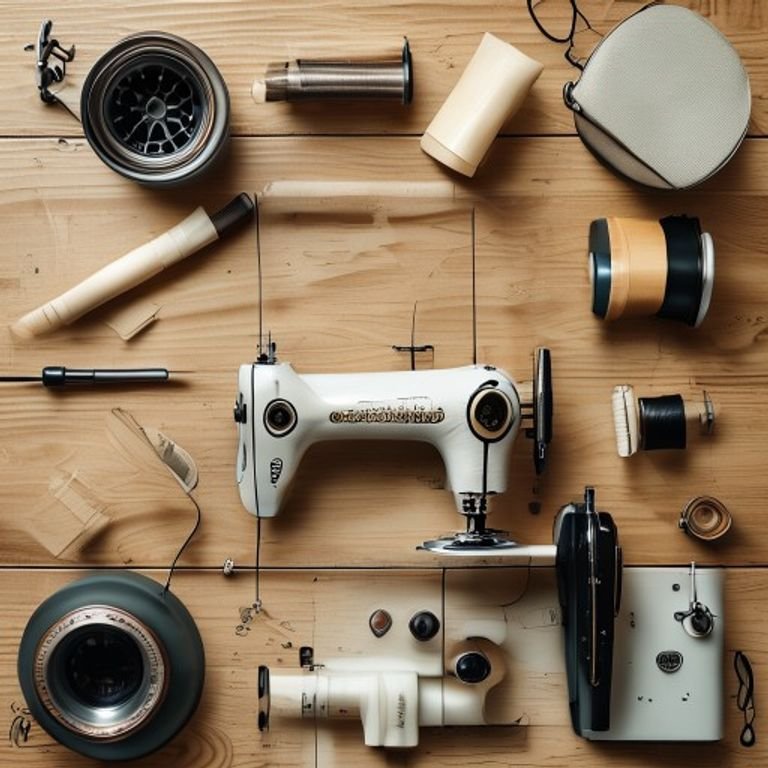
Sewing machines are incredible tools that have revolutionized the way we create fabric items. Among the many components of a sewing machine, the bobbin plays a crucial role that is often overlooked. Understanding what a bobbin does on a sewing machine is essential for anyone looking to master the art of sewing. From providing the necessary thread for stitching to influencing the overall quality of your sewing projects, the bobbin is a small but mighty part of your sewing toolkit.
Table of Contents
- What is a Bobbin?
- Types of Bobbins
- How Bobbins Work
- Threading a Bobbin
- Bobbin Maintenance
- Common Bobbin Issues
- FAQ
- Conclusion
What is a Bobbin?
A bobbin is a small, cylindrical component that holds the lower thread in a sewing machine. It is typically made of metal or plastic and can come in various sizes and shapes, depending on the sewing machine model. The bobbin sits in a designated area and is crucial for creating stitches, as it works in tandem with the upper thread that comes from the sewing machine’s needle.
Types of Bobbins
While bobbins may seem straightforward, there are several types that serve specific functions. Understanding these types can help you choose the right one for your sewing projects.
Standard Bobbins
Standard bobbins are the most common and are usually found in home sewing machines. They come in various sizes, with the most popular being Class 15 and Class 66 bobbins.
Specialty Bobbins
Some sewing machines, especially embroidery machines, require specialty bobbins. These bobbins may have specific features such as a larger capacity or unique shapes to accommodate different types of thread.
Metal vs. Plastic Bobbins
Bobbins can be made from either metal or plastic. Metal bobbins are more durable and tend to last longer, while plastic bobbins are lightweight and often easier to see if they have thread on them.
How Bobbins Work
The working mechanism of a bobbin is quite fascinating. When you sew, the needle moves up and down, piercing the fabric and grabbing the upper thread. As the needle goes down, a hook catches the upper thread and wraps it around the lower thread coming from the bobbin. This creates a stitch.
The Stitching Process
During the stitching process, the bobbin thread is released as the needle goes down, and the tension of both threads must be balanced to ensure a smooth stitch. If the tension is off, it can lead to problems such as thread bunching or uneven stitches.
Importance of Bobbin Tension
Bobbin tension refers to how tightly the lower thread is wound on the bobbin and how it interacts with the upper thread. Proper tension is crucial for achieving neat and balanced stitches. If the tension is too tight, it can cause the thread to break; if it’s too loose, it can lead to looped stitches.
Threading a Bobbin
Threading a bobbin correctly is vital for successful sewing. The process can vary depending on the sewing machine model, but the general steps are similar.
Winding the Bobbin
To wind the bobbin, you typically need to place the spool of thread on the spindle, thread it through the machine’s threading path, and attach it to the bobbin. Most machines have a winding mechanism that allows you to fill the bobbin while preventing any thread tangles.
Inserting the Bobbin
Once the bobbin is wound, it needs to be inserted into the bobbin case. This can be a drop-in style or a front-loading case, depending on your machine. Make sure to follow the threading path as indicated in your machine’s manual for the best results.
Bobbin Maintenance
Maintaining your bobbin and bobbin case is crucial for the longevity of your sewing machine and the quality of your stitches. Here are some tips for keeping them in good condition.
Cleaning the Bobbin Case
Lint and dust can accumulate in the bobbin case, which can affect the machine’s performance. Regularly remove the bobbin and clean the case with a small brush or a vacuum attachment. This will help prevent issues like thread jams and uneven stitches.
Checking Bobbin Condition
Inspect your bobbins for any signs of wear, such as cracks or warping. Using damaged bobbins can lead to sewing complications. Replace any bobbins that show signs of damage.
Common Bobbin Issues
Even seasoned sewists can run into bobbin-related problems. Here are some common issues and how to troubleshoot them.
Thread Bunching
If you notice thread bunching on the underside of your fabric, it could be due to incorrect bobbin threading or tension issues. Check to ensure the bobbin is wound evenly and inserted correctly.
Uneven Stitches
Uneven stitches can be a sign of incorrect bobbin tension. Adjust the tension settings on your sewing machine and test on scrap fabric to find the right balance.
Bobbin Not Turning
If the bobbin isn’t turning during sewing, it could be due to a jammed thread or improper bobbin insertion. Remove the bobbin and check for any obstructions, then reinsert it according to your machine’s instructions.
FAQ
A: A drop-in bobbin is placed directly into the machine from the top, while a front-loading bobbin requires you to remove a cover to insert it from the front of the machine.
A: It’s a good practice to clean your bobbin case every few sewing sessions or whenever you notice thread accumulation.
A: No, each sewing machine has specific requirements for bobbin types. Always refer to your machine’s manual to ensure compatibility.
Conclusion
Understanding what a bobbin does on a sewing machine is fundamental to achieving great results in your sewing projects. By knowing the types of bobbins, how they work, and how to maintain them, you can enhance your sewing experience and avoid common pitfalls. Whether you’re an experienced sewist or a beginner, mastering the use of bobbins will lead to more satisfying and successful sewing endeavors. For additional resources, check out related articles like Exploring Embroidery Baby Blanket Kits: A Simple Review, Review: bernette b70 deco embroidery machine reviews, and Create Stunning Designs with Brother 625 Embroidery Machine. Happy sewing!