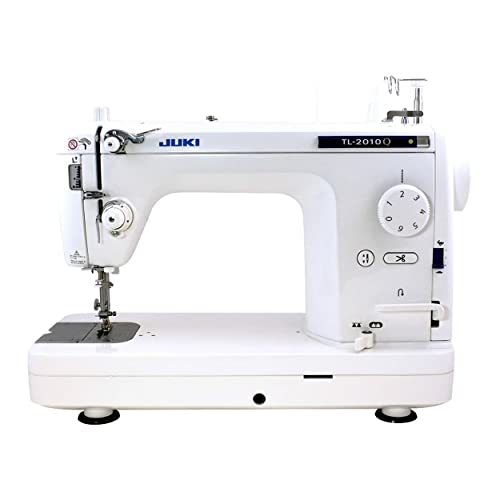

Juki sewing machines are renowned for their high quality, durability, and advanced technology. Many sewing enthusiasts and professionals alike often wonder about the origins of these machines. Understanding where Juki sewing machines are manufactured can provide insights into their craftsmanship and reliability. This article delves into the manufacturing locations, processes, and the brand’s history, giving you a comprehensive overview of Juki’s global presence in the sewing industry.
Table of Contents
- The History of Juki Corporation
- Where Are Juki Sewing Machines Manufactured?
- The Manufacturing Process of Juki Machines
- Quality Control Measures
- Advantages of Juki Sewing Machines
- Conclusion
- FAQs
The History of Juki Corporation
Juki Corporation was established in 1938 in Japan, initially focusing on the development of industrial sewing machines. Over the decades, the company has evolved and expanded, becoming a leading global manufacturer of both industrial and home sewing machines. Juki’s dedication to innovation and quality has solidified its position as a trusted brand in the sewing community.
Where Are Juki Sewing Machines Manufactured?
Juki sewing machines are primarily manufactured in Japan, where the company was founded. However, to cater to the growing global market, Juki has established several manufacturing facilities in different countries. Here is a breakdown of the manufacturing locations:
| Country | Manufacturing Focus |
|---|---|
| Japan | High-end and professional sewing machines |
| China | Entry-level and semi-professional models |
| Vietnam | Production of specific models to meet regional demands |
| Indonesia | Manufacturing of budget-friendly options |
By diversifying its manufacturing locations, Juki can reduce costs, enhance production efficiency, and respond more rapidly to market demands. This strategy has allowed Juki to maintain competitive pricing while ensuring the quality that the brand is known for.
The Manufacturing Process of Juki Machines
The manufacturing process of Juki sewing machines is a blend of traditional craftsmanship and modern technology. Each machine undergoes a rigorous production process that includes:
Design and Development
Juki invests heavily in research and development to create innovative sewing solutions. The design team collaborates with engineers to develop machines that meet the needs of both hobbyists and professionals.
Quality Components
To ensure durability and performance, Juki sources high-quality components from trusted suppliers. This commitment to quality is evident in every machine produced.
Assembly
The assembly process involves skilled workers who meticulously put together each machine, ensuring that all parts fit perfectly and operate smoothly. Advanced automation technology is also used to enhance precision.
Testing
Before leaving the factory, each sewing machine undergoes thorough testing to ensure it meets Juki’s stringent quality standards. This includes testing for performance, durability, and safety.
Quality Control Measures
Quality is at the core of Juki’s manufacturing philosophy. The company employs several quality control measures throughout the production process:
Standardized Procedures
Juki follows standardized manufacturing procedures to maintain consistency across all production facilities. This ensures that every machine meets the same high standards, regardless of where it is made.
Regular Audits
Juki conducts regular audits of its manufacturing facilities to ensure compliance with industry standards and internal quality benchmarks. This proactive approach helps to identify and rectify any potential issues before they affect the final product.
Customer Feedback
Juki values customer feedback as a crucial component of its quality control process. The company actively seeks input from users to identify areas for improvement and innovation.
Advantages of Juki Sewing Machines
Juki sewing machines have gained a loyal following due to their numerous advantages:
Durability
One of the standout features of Juki machines is their durability. Built with high-quality materials and components, these machines can withstand rigorous use, making them ideal for both home and industrial settings.
Advanced Technology
Juki is at the forefront of sewing technology, offering features such as automatic thread cutting, programmable stitch patterns, and advanced needle systems, which enhance usability and efficiency.
Versatility
From quilting to embroidery, Juki machines are versatile and suitable for various sewing tasks. This adaptability makes them a favorite among crafters and professionals alike.
Exceptional Support
Juki provides excellent customer support, including comprehensive manuals, online tutorials, and a network of authorized service centers. This support system ensures that users can get assistance when needed.
Conclusion
Understanding where Juki sewing machines are manufactured provides valuable insight into the brand’s commitment to quality and innovation. With manufacturing facilities in Japan, China, Vietnam, and Indonesia, Juki successfully balances cost and quality to meet the needs of a diverse global market. As a result, whether you are a hobbyist or a professional, investing in a Juki sewing machine can significantly enhance your sewing experience.
A: No, while Juki originated in Japan and still manufactures high-end models there, they also produce machines in countries like China, Vietnam, and Indonesia to meet global demand.
A: Juki offers a wide range of sewing machines, including industrial machines, home sewing machines, quilting machines, and embroidery machines.
A: Always purchase from authorized dealers or the official Juki website to avoid counterfeit products.
For those interested in expanding their embroidery skills, check out our article on Nike Polos, which are perfect for embroidery. If you’re looking for a machine specifically designed for monogramming, read about monogram embroidery machines. Additionally, our review on the yuemei embroidery machine provides in-depth insights. For hat lovers, explore our top picks for embroidery machines. Lastly, find out why every embroidery machine entrepreneur swears by this model.