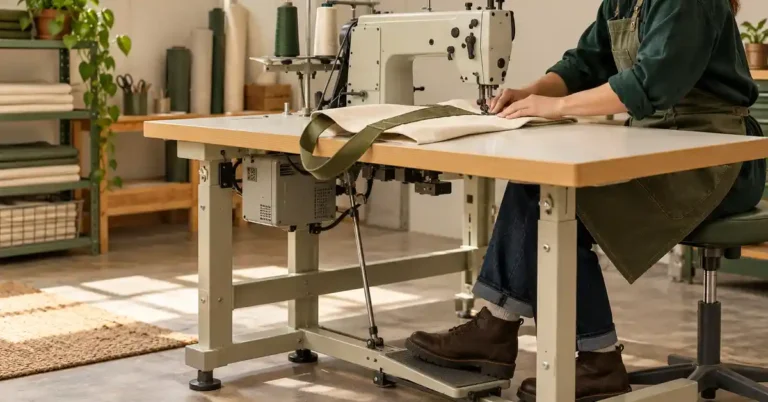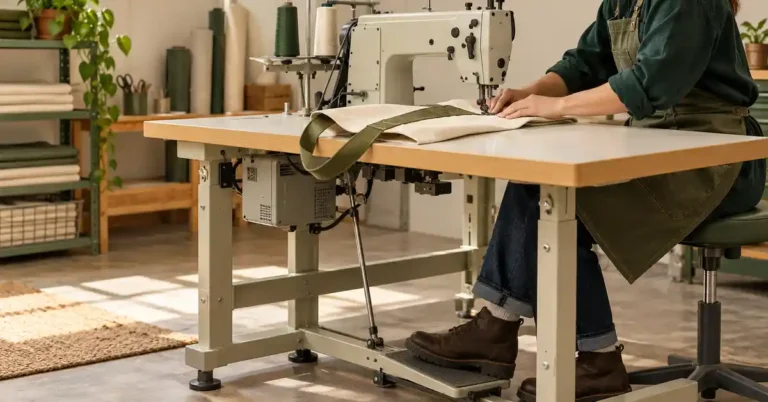

Sewing machines are invaluable tools for crafters, hobbyists, and professionals alike. However, encountering a jammed sewing machine can be incredibly frustrating. Understanding the reasons behind this common issue can save you time, reduce stress, and keep your projects moving smoothly. In this article, we’ll explore the various reasons why your sewing machine might be jamming, how to troubleshoot the problem, and preventative measures you can take to avoid future jams.
Common Causes of Sewing Machine Jams
Understanding why your sewing machine is jamming can help you identify and rectify the problem quickly. Here are some of the most common causes:
1. Improper Threading
One of the most frequent causes of a jamming sewing machine is improper threading. If the upper thread is not threaded correctly, it can get caught in the machine’s components, leading to a jam.
2. Incorrect Needle Type
Using the wrong needle type for your fabric can cause issues. For instance, a needle meant for lightweight fabrics may not penetrate heavier materials properly, resulting in jamming.
3. Bobbin Issues
Problems with the bobbin can also contribute to jamming. This includes incorrect bobbin winding, using the wrong bobbin type, or placing the bobbin incorrectly in the machine.
4. Fabric Bunching
Sometimes, the fabric itself can cause jams, especially if it gets bunched up under the presser foot. This can happen with thicker materials or when sewing multiple layers.
5. Dirty or Clogged Machine
Dirt, lint, and thread debris can accumulate in the bobbin area and feed dogs, leading to sewing machine jams. Regular maintenance is crucial for optimal performance.
6. Tension Issues
Improper tension settings can lead to thread bunching, which can cause a jam. If the upper and lower threads are not balanced, you’ll likely face jamming issues.
Troubleshooting Your Sewing Machine
When your sewing machine jams, it’s essential to troubleshoot effectively. Here’s how to go about it:
1. Check the Threading
Start with the basics. Remove the thread and re-thread your machine, ensuring that the upper and lower threads are properly aligned and seated correctly.
2. Inspect the Needle
Check to see if the needle is the right type for your fabric and that it is not dull or bent. Replace it if necessary. A fresh needle can often resolve the issue.
3. Examine the Bobbin
Remove the bobbin and inspect it for any signs of damage. Make sure it is wound correctly and is the appropriate type for your machine. Reinsert it carefully.
4. Clean the Machine
Turn off your machine and clean the bobbin area and feed dogs. Use a small brush to remove any lint or debris that may be causing the jam. Regular cleaning can prevent many issues.
5. Adjust the Tension
If you suspect that tension may be contributing to the problem, try adjusting the tension settings. Test on a scrap piece of fabric to see if the issue persists.
Preventative Measures to Avoid Jamming
Taking steps to prevent jamming can save you time and frustration in the long run. Here are some effective measures to consider:
1. Regular Maintenance
Regularly clean and oil your sewing machine as per the manufacturer’s instructions. This helps prevent lint buildup and keeps the machine running smoothly.
2. Use Quality Materials
Invest in high-quality threads and needles that are appropriate for the fabrics you are using. This can reduce the chances of jamming and improve the overall quality of your sewing.
3. Always Test Your Setup
Before starting a new project, test your machine with a scrap piece of the same fabric. This allows you to identify any issues, such as jamming or uneven stitches, before you begin your actual project.
4. Follow Manufacturer Guidelines
Always refer to your sewing machine’s manual for specific guidelines regarding threading, needle types, and maintenance. Following these recommendations can help prevent issues.
5. Avoid Overloading the Machine
When sewing multiple layers or thick fabrics, avoid overloading the machine. If you find it hard to push the fabric through, stop and adjust your approach to prevent jamming.
Frequently Asked Questions
A: If your sewing machine continues to jam after re-threading, check the needle and bobbin for damage. Additionally, ensure the tension settings are correct and clean the machine regularly to avoid lint buildup.
A: Yes, using low-quality or incorrect thread types can lead to jamming. Always opt for high-quality thread that is suitable for your project.
A: It’s recommended to clean your sewing machine after every few projects or at least once a month, depending on usage. Regular maintenance helps prevent jams and ensures smooth operation.
A: If your machine jams while sewing, stop immediately. Turn off the machine, remove the fabric and thread, and troubleshoot the issue using the tips provided in this guide.
In conclusion, understanding the reasons behind a jamming sewing machine is crucial for maintaining a smooth sewing experience. Regular maintenance, proper threading, using the correct needle, and being mindful of your fabric can all contribute to minimizing the risk of jams. If you find yourself frequently experiencing jamming issues, take the time to troubleshoot and implement preventative measures. With a little patience and practice, you can keep your sewing machine running smoothly and enjoy your crafting without interruptions.
For more insights into the world of sewing and embroidery, check out these articles: Cross Stitch vs. Embroidery: Unraveling the Mystery!, Review: husqvarna embroidery machine topaz 50, In Love with These In-the-Hoop Embroidery Designs!, Beautiful Handmade Embroidery Adds Unique Charm, and Why I Love My Six Head Embroidery Machine for Sale!.