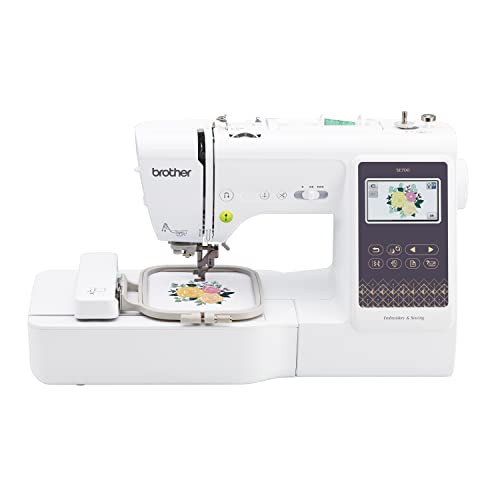
Embroidery has long been a cherished craft, allowing individuals to add personal touches to their garments, home décor, and more. With the advancement of technology, many sewing machines now come equipped with embroidery capabilities, making it easier than ever to create intricate designs. If you’re wondering, “Can you do embroidery on a sewing machine?” the answer is a resounding yes! In this article, we will explore the ins and outs of using a sewing machine for embroidery, the types of machines available, techniques, and tips to enhance your embroidery experience.
Table of Contents
- Types of Sewing Machines for Embroidery
- Embroidery Techniques
- Preparing Your Machine for Embroidery
- Choosing Embroidery Designs
- Troubleshooting Common Issues
- Frequently Asked Questions
Types of Sewing Machines for Embroidery
When it comes to embroidery, not all sewing machines are created equal. There are three main types of machines that you can consider:
1. Mechanical Sewing Machines
Mechanical sewing machines are the most basic type. They often come with limited features and may not have built-in embroidery options. However, you can use embroidery attachments or free-motion techniques to create simple designs.
2. Computerized Sewing Machines
Computerized sewing machines are more advanced and feature a variety of built-in stitches and embroidery designs. They often include an LCD screen where you can select designs, adjust sizes, and customize your projects. These machines are suitable for those who want to explore embroidery without a steep learning curve.
3. Embroidery-Only Machines
Embroidery-only machines are specialized for creating embroidery designs. They offer extensive design libraries, advanced stitching techniques, and compatibility with software for custom designs. If you’re serious about embroidery, this type of machine is a worthy investment.
Embroidery Techniques
Embroidery can be accomplished using various techniques. Here are some popular methods:
1. Free-Motion Embroidery
This technique allows you to move the fabric freely under the needle, creating unique, custom designs. You’ll need to lower the feed dogs on your sewing machine and use a darning foot. Practice is key to mastering this technique, as it offers a lot of creative freedom.
2. Machine Embroidery
Machine embroidery involves using a sewing machine’s built-in programs to stitch designs. With a computerized machine, you can upload designs from your computer or choose from pre-loaded options. This method is faster and often more precise than free-motion embroidery.
3. Appliqué
Appliqué is a technique where fabric pieces are sewn onto a base fabric to create designs. This method can be done using a sewing machine, and it adds texture and dimension to your embroidery projects.
Preparing Your Machine for Embroidery
Before diving into your embroidery project, it’s essential to prepare your sewing machine properly. Here are the steps to follow:
1. Gather Supplies
- Embroidery thread
- Stabilizer (appropriate for your fabric type)
- Embroidery needle
- Embroidery design files
- Scissors
2. Set Up Your Machine
Follow these steps to prepare your machine:
- Install the embroidery foot if your machine requires it.
- Attach the embroidery hoop to the machine.
- Load your chosen design onto the machine or insert the USB drive with your design files.
3. Select the Right Stabilizer
Stabilizers are vital for successful embroidery. They provide support to the fabric and prevent it from puckering. Choose a stabilizer based on your fabric type:
| Fabric Type | Recommended Stabilizer |
|---|---|
| Lightweight Fabrics | Lightweight Tear-Away or Wash-Away Stabilizer |
| Medium Weight Fabrics | Medium Tear-Away Stabilizer |
| Heavyweight Fabrics | Cut-Away Stabilizer |
Choosing Embroidery Designs
The designs you choose can greatly influence the outcome of your embroidery project. Here are some tips for selecting the right designs:
1. Explore Design Libraries
Many computerized sewing machines come with built-in design libraries. Spend time exploring these options to find designs that resonate with your style.
2. Download Designs Online
There are numerous websites where you can purchase or download free embroidery designs. Make sure the designs are compatible with your machine’s file format. Popular formats include PES, DST, and JEF.
3. Create Your Own Designs
If you’re feeling adventurous, you can create custom designs using embroidery software. This allows you to personalize your projects further.
Troubleshooting Common Issues
Even seasoned embroiderers encounter issues from time to time. Here are some common problems and how to resolve them:
1. Thread Bunching
Thread bunching can occur for various reasons, such as incorrect tension or using the wrong needle. Check your machine’s tension settings and ensure you are using the appropriate needle type for your thread and fabric.
2. Fabric Puckering
Puckering happens when the fabric is not adequately stabilized. Ensure you are using the right stabilizer, and consider adjusting the tension settings if necessary.
3. Skipped Stitches
Skipped stitches can result from a dull needle, incorrect threading, or using the wrong needle type. Change the needle regularly and re-thread your machine to ensure smooth operation.
Frequently Asked Questions
A: Yes, you can do embroidery on a regular sewing machine, especially if it has a zigzag stitch feature. However, for more complex designs, a computerized or embroidery-only machine is recommended.
A: Use embroidery thread specifically designed for machine embroidery, such as polyester or rayon thread, as they provide a smooth finish and are more durable than standard sewing thread.
A: The type of stabilizer depends on the fabric you are using. Lightweight fabrics typically require lightweight tear-away stabilizers, while heavier fabrics benefit from cut-away stabilizers.
A: Yes, you can create your own embroidery designs using specialized software that converts images into embroidery files compatible with your machine.
A: Regular maintenance includes cleaning the machine, oiling it as needed, and changing needles frequently. Refer to your machine’s manual for specific maintenance guidelines.
Embroidery on a sewing machine offers endless possibilities for creativity and personalization. Whether you’re a beginner or an experienced embroiderer, understanding the types of machines available, the techniques to use, and how to troubleshoot common issues will enhance your embroidery projects. With a bit of practice and the right tools, you can create stunning designs that elevate your sewing projects to a whole new level.
For those interested in expanding their embroidery journey, consider checking out our Top Pick: Best Used Embroidery Machine for Crafters! and discover how to Transform Your Jeans: Stunning Embroidery Designs! With the right machine, you can even explore options like the Bernina Multi Needle Embroidery Machine for more intricate projects. Don’t forget to check the Review: Embroidery Machine Operator Salary to understand the opportunities available in this field. And if you’re also into custom printing, you can Transform Your Wardrobe with Custom Printing Magic!