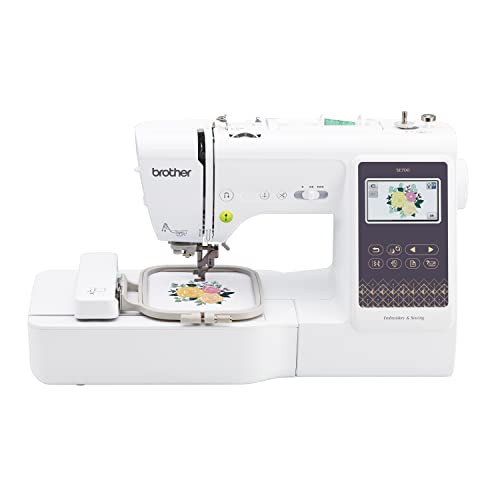
When it comes to the world of sewing and embroidery, many enthusiasts find themselves wondering about the capabilities of their machines. One common question is, “Can you sew with an embroidery machine?” The short answer is yes, but there are essential details to understand. This article will explore the functionalities of embroidery machines, how they compare to traditional sewing machines, and when it’s appropriate to use each type of machine for various projects.
Table of Contents
- Differences Between Sewing and Embroidery Machines
- Sewing with an Embroidery Machine
- Best Projects for Embroidery Machines
- Limitations of Embroidery Machines
- Choosing the Right Machine
- Frequently Asked Questions
Differences Between Sewing and Embroidery Machines
Understanding the differences between sewing and embroidery machines is crucial when determining if you can sew with an embroidery machine. Here’s a breakdown of the key differences:
| Feature | Sewing Machine | Embroidery Machine |
|---|---|---|
| Primary Use | Basic sewing tasks such as stitching fabric. | Creating designs and patterns on fabric. |
| Stitch Types | Various stitch types including straight, zigzag, and overlock. | Specialized embroidery stitches and designs. |
| Embroidery Capability | Limited or none. | High capability with various embroidery designs. |
| Cost | Generally more affordable. | Can be more expensive due to advanced technology. |
| Ease of Use | Generally easier for beginners. | May have a steeper learning curve. |
While both machines have distinct purposes, many contemporary embroidery machines also come equipped with sewing functions, allowing users to perform basic sewing tasks.
Sewing with an Embroidery Machine
Can you sew with an embroidery machine? Yes, but with some caveats. Many modern embroidery machines offer a sewing mode that allows you to perform basic stitching functions. This is particularly beneficial for those who want to combine sewing and embroidery in their projects. Here’s how you can sew using an embroidery machine:
How to Use an Embroidery Machine for Sewing
Using an embroidery machine for sewing is relatively straightforward if you follow these steps:
- Set Up the Machine: Ensure that your embroidery machine is set to the sewing mode. This may involve changing settings on the machine’s display.
- Select the Stitch: Choose from the available stitch options, which may include straight, zigzag, and decorative stitches.
- Prepare the Fabric: Place your fabric in the machine’s presser foot and ensure that it is secured properly.
- Start Sewing: Begin sewing by pressing the foot pedal or using the machine’s start button. Monitor your stitch quality as you proceed.
Benefits of Using an Embroidery Machine for Sewing
There are several advantages to using an embroidery machine for sewing tasks:
- Versatility: An embroidery machine can handle both embroidery and basic sewing tasks, reducing the need for multiple machines.
- Advanced Features: Many embroidery machines come with features like automatic thread tension adjustment, built-in design patterns, and easy needle threading, making sewing easier.
- Efficiency: Completing both tasks on one machine can save time and streamline your crafting process.
Best Projects for Embroidery Machines
While you can sew with an embroidery machine, it’s essential to consider what types of projects are best suited for this versatile tool. Here are some popular project ideas:
1. Custom Apparel
Creating custom t-shirts, hats, and jackets is a popular use for embroidery machines. You can incorporate logos, names, or unique designs, making these items personal and special.
2. Home Decor Items
Transform home textiles such as pillows, table runners, and quilts with beautiful embroidery designs. These projects allow you to showcase your creativity and add a personal touch to your living space.
3. Embroidered Gifts
Handmade gifts are always appreciated. Use your embroidery machine to create personalized gifts for friends and family, such as monogrammed towels or embroidered bags.
4. Craft and Scrapbooking Projects
For those who enjoy crafts or scrapbooking, embroidery machines can add a unique touch to cards, scrapbook pages, and other creative projects.
Limitations of Embroidery Machines
While embroidery machines have several benefits, there are limitations to consider as well:
1. Limited Sewing Functions
Although many embroidery machines have sewing capabilities, they may not have the same breadth of functions as dedicated sewing machines. For example, some may lack features like overlocking or quilting functions.
2. Learning Curve
Embroidery machines can be more complex to operate than basic sewing machines. Beginners may find it challenging to navigate the various settings and features.
3. Cost
Embroidery machines typically come at a higher price point than standard sewing machines due to their advanced features. This may not be a feasible option for every budget.
Choosing the Right Machine
If you’re considering purchasing an embroidery machine and want to use it for sewing as well, it’s essential to choose the right model. Here are some tips to guide your decision:
1. Assess Your Needs
Determine what types of projects you plan to undertake. If you primarily want to create embroidered designs, ensure the machine has strong embroidery features. If sewing is equally important, look for a machine with versatile sewing functions.
2. Read Reviews
Before making a purchase, read reviews from other users to understand the machine’s performance and reliability. Consider checking out a review of embroidery machine dealers for guidance on selecting a reputable dealer.
3. Test the Machine
If possible, visit a store to test the machine before buying. This will give you a feel for its ease of use, stitch quality, and overall performance.
Frequently Asked Questions
A: Not all embroidery machines are designed to sew. However, many modern models do offer basic sewing capabilities in addition to embroidery functions.
A: The types of stitches available on an embroidery machine may vary by model, but many will include basic stitches like straight and zigzag, as well as specialized embroidery stitches.
A: While some embroidery machines have user-friendly features, they can be more complex than traditional sewing machines. Beginners may need time to learn the machine’s functions and settings.
A: It depends on the machine. Some embroidery machines have quilting capabilities, but many do not. Always check the specifications before attempting quilting projects.
A: You can explore local dealers or check online resources. For more recommendations, consider reading a review of sweater embroidery machines or look for specific models suited for your needs.
In conclusion, understanding the capabilities of embroidery machines can help you maximize your sewing and crafting potential. While you can sew with an embroidery machine, it’s essential to recognize the limitations and advantages of each type of machine. With the right knowledge and tools, you can create stunning projects that combine both sewing and embroidery, making the most out of your crafting experience.