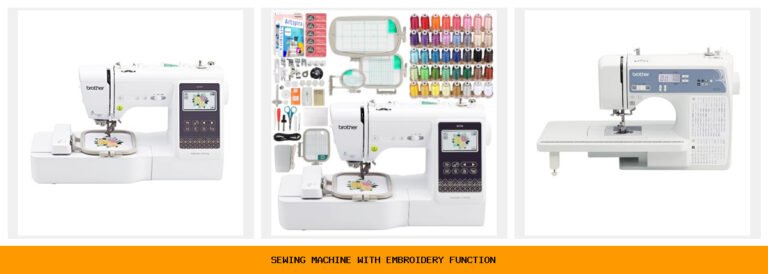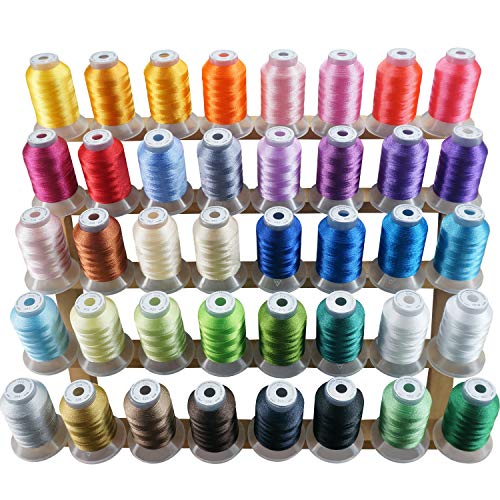
Sewing and embroidery are two crafts that have captivated many for generations, blending artistry with practical skills. As you venture into these realms, you may wonder about the different types of threads available and whether you can use embroidery thread in a sewing machine. The answer is not as straightforward as you might think, and understanding the nuances can greatly enhance your sewing experience. This article will explore the compatibility of embroidery thread with sewing machines, offering helpful insights, tips, and best practices to make the most of your projects.
Table of Contents
- Understanding Embroidery Thread
- Sewing Machine Compatibility
- Types of Embroidery Thread
- Thread Tension and Adjustments
- When to Use Embroidery Thread
- Caring for Your Thread
- FAQ
- Conclusion
Understanding Embroidery Thread
Embroidery thread is specifically designed for decorative stitching and provides a sheen and texture that enhance the appearance of embroidered designs. Typically made from polyester or rayon, embroidery threads come in various weights, colors, and finishes. Unlike standard sewing thread, which is meant for construction, embroidery thread is optimized for visual appeal and intricate designs.
Sewing Machine Compatibility
Many sewing machines can accommodate embroidery thread; however, this varies based on the machine’s capabilities and the type of project you’re working on. Most modern sewing machines, especially those designed for both sewing and embroidery, can handle embroidery thread well. It’s essential to ensure your machine is equipped with the right needle and settings for the thread type.
Types of Sewing Machines that Support Embroidery Thread
Generally, there are two categories of sewing machines to consider:
- Mechanical Sewing Machines: These machines often require manual adjustments for tension and stitch settings. While they can use embroidery thread, achieving optimal results may take some experimentation.
- Computerized Sewing Machines: These machines typically have more advanced features that automatically adjust tension and provide specialized settings for various types of thread, making them more compatible with embroidery threads.
Types of Embroidery Thread
Understanding the different types of embroidery thread is crucial to selecting the right one for your project. Here are some common types:
| Type | Material | Best For |
|---|---|---|
| Rayon | Soft, shiny, and smooth | Detailed embroidery work |
| Polyester | Durable, colorfast, and less prone to fraying | General embroidery and garments |
| Metallic | Shiny and reflective | Decorative elements and accents |
| Cotton | Soft and strong | Quilting and natural fiber projects |
Thread Tension and Adjustments
When using embroidery thread in a sewing machine, thread tension plays a vital role in the quality of your stitches. The tension settings on your sewing machine must be adjusted according to the thread type to prevent issues such as thread breakage or uneven stitches.
How to Adjust Tension
Here are some general steps to adjust your machine’s tension:
- Start with the manufacturer’s recommended tension settings for the type of thread you are using.
- Test your stitches on a scrap piece of fabric.
- If the top thread is too tight and pulls the fabric, loosen the tension by decreasing the tension dial.
- If the bottom thread is showing on the top side, tighten the tension by increasing the tension dial.
- Repeat the process until you achieve balanced stitches.
When to Use Embroidery Thread
Using embroidery thread in a sewing machine is best suited for specific applications. Here are some scenarios where embroidery thread shines:
Decorative Stitching
Embroidery thread is perfect for decorative stitches, such as when you want to add intricate designs or embellishments to your fabric. The sheen and thickness of embroidery thread can enhance visual appeal and create stunning effects.
Quilting and Appliqué
For quilting and appliqué projects, embroidery thread can add a unique touch. It can be used for topstitching or decorative quilting, providing a beautiful finish that stands out.
Garment Construction
While embroidery thread is not typically used for the primary construction of garments due to its thickness and texture, it can be beneficial for adding decorative elements to clothing, such as embroidered logos or names. Always consider whether the thread’s characteristics align with the garment’s purpose and function.
Caring for Your Thread
Proper care of your embroidery thread ensures longevity and optimal performance. Here are some key considerations:
Storage
Store your embroidery thread in a cool, dry place away from direct sunlight. Excessive heat or humidity can damage the thread and affect its quality. Consider using a thread organizer or box to keep your threads untangled and easy to access.
Cleaning
Embroidery thread can be sensitive to certain cleaning agents, especially those containing bleach. If your project requires washing, use a gentle detergent and avoid harsh chemicals to preserve the integrity of the thread.
A: Yes, you can use embroidery thread for regular sewing, but be aware that it may not provide the same strength or durability as standard sewing thread. Use it for decorative purposes or when the design requires a specific look.
FAQ
A: Use a needle designed for embroidery, such as a ballpoint or embroidery needle, which has a larger eye to accommodate the thicker embroidery thread.
A: Popular brands include Madeira, Sulky, and Isacord, known for their quality and variety of colors. Always choose a brand that suits your machine type and project requirements.
A: Yes, but be mindful of the thread weight and tension settings. Mixing embroidery and sewing threads can create interesting textures, but ensure they are compatible with your machine.
Conclusion
In summary, using embroidery thread in a sewing machine can open up a world of creative possibilities for your sewing projects. While it is compatible with most sewing machines, understanding the nuances of thread type, tension adjustments, and project applications is crucial for achieving the best results. Whether you’re embellishing garments or adding decorative touches to quilts, the right approach to using embroidery thread can elevate your work to new heights. Always remember to care for your thread properly to ensure its longevity and quality. Happy sewing!
If you’re looking for the right sewing and embroidery machine to complement your projects, check out Stitching Magic: The Best Brother Sewing Machine! and Versatile Sewing & Embroidery Machine with WiFi! to find the perfect fit for your needs!