Sewing with a treadle sewing machine is a delightful journey into the world of traditional craftsmanship. While the modern electric sewing machines dominate the market today, treadle machines offer an authentic experience that many sewists cherish. These machines are not only a nod to history but also serve as a functional tool for creating beautiful garments and crafts. In this article, we will explore the fascinating aspects of sewing with a treadle sewing machine, its benefits, tips for use, and how to maintain these vintage treasures.
What is a Treadle Sewing Machine?
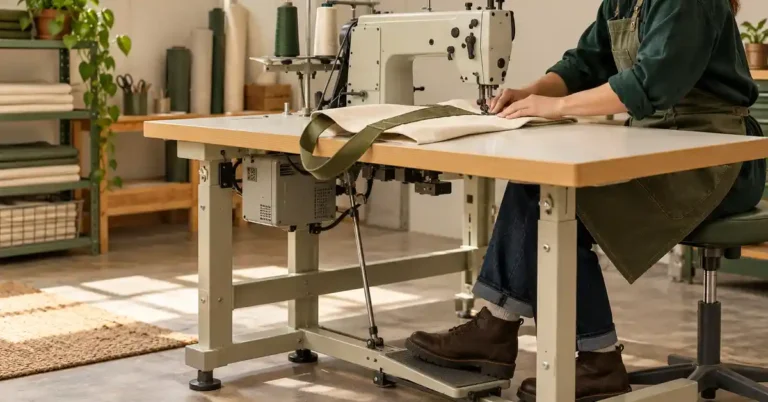
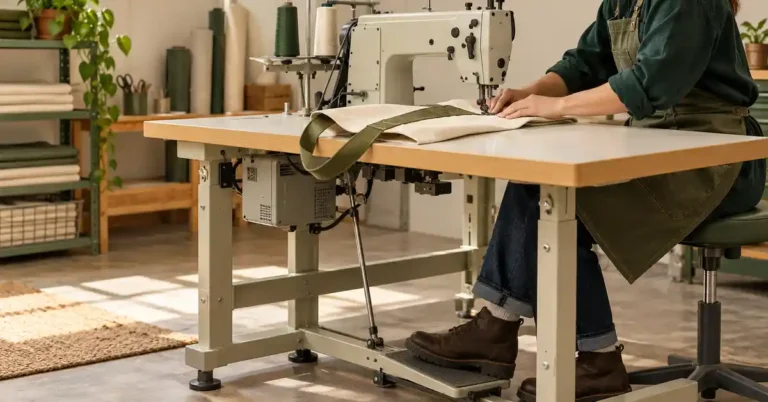
A treadle sewing machine is a type of sewing machine that is powered by a foot pedal or treadle. This machine features a large foot pedal at the base, which is connected to a flywheel that drives the sewing mechanism. Unlike modern machines that rely on electricity, treadle machines use human power, allowing sewists to control the speed of sewing through their foot movements. The design often includes intricate craftsmanship, making them not only functional but also aesthetically pleasing.
History of Treadle Sewing Machines
The history of treadle sewing machines dates back to the early 1800s. The first commercially successful sewing machine was invented by Elias Howe in 1846, but it was Isaac Merritt Singer who popularized the treadle design in the 1850s. Singer’s machine featured a sturdy base and a foot pedal, allowing for continuous sewing without the need for constant hand cranking. This innovation revolutionized garment production and paved the way for home sewing.
Advantages of Treadle Sewing Machines
There are several advantages to using a treadle sewing machine, including:
- Eco-Friendly: Treadle machines do not require electricity, making them an environmentally friendly option.
- Durability: Built with sturdy materials, these machines can last for generations with proper care.
- Control: The foot pedal allows for precise control of sewing speed, which is beneficial for intricate projects.
- Cost-Effective: Treadle machines are often more affordable than their electric counterparts, providing a budget-friendly option for sewists.
Getting Started with Treadle Sewing
Embarking on your journey with a treadle sewing machine can be exciting. Here’s how to get started:
Setting Up Your Machine
Before you start sewing, it’s essential to set up your treadle machine correctly. Follow these steps:
- Choose a Suitable Space: Ensure you have a flat, stable surface for your machine. It’s crucial to have enough room to operate the treadle smoothly.
- Check the Belts: Inspect the belts connecting the foot pedal and the flywheel. They should be tight but not overly stretched or damaged.
- Thread the Machine: Follow the threading guides on your machine. Treadle machines may vary in threading methods, so refer to the manual if available.
- Adjust the Tension: Set the needle tension according to the fabric you plan to sew. Experiment to find the right tension for different materials.
Basic Sewing Techniques
Once your machine is set up, you can start sewing. Here are some basic techniques to keep in mind:
- Foot Pedal Control: Practice using the foot pedal to get a feel for the speed. Start slow and gradually increase your pace as you gain confidence.
- Guiding the Fabric: Use your hands to guide the fabric through the machine while maintaining a steady pace with your foot.
- Reverse Stitching: Most treadle machines do not have a reverse function. To reinforce seams, sew over the beginning of the seam again.
Maintaining Your Treadle Sewing Machine
Proper maintenance is key to prolonging the life of your treadle sewing machine. Here are some tips:
- Regular Cleaning: Dust and lint can accumulate in the machine. Clean the machine regularly with a soft brush and cloth.
- Oil the Moving Parts: Use sewing machine oil to lubricate the moving parts. Consult the manual for specific lubrication points.
- Store Properly: If not in use, cover the machine with a cloth to protect it from dust. Avoid placing heavy objects on it.
Common Issues and Solutions
As with any sewing machine, treadle machines can encounter issues. Here are some common problems and their solutions:
| Issue | Possible Cause | Solution |
|---|---|---|
| Fabric not feeding | Dirty feed dogs | Clean the feed dogs and ensure they’re functioning properly. |
| Thread breakage | Improper threading or tension | Re-thread the machine and adjust the tension as needed. |
| Machine jamming | Lint buildup | Clean the machine thoroughly, including the bobbin area. |
FAQ
A: Yes, treadle machines can handle thick fabrics, but it’s essential to use the appropriate needle and thread for optimal results.
A: Absolutely! Treadle machines offer a straightforward sewing experience and can be a great way for beginners to learn the basics of sewing.
A: Many online retailers specialize in vintage sewing machine parts. Additionally, local sewing shops may carry parts or be able to order them for you.
In conclusion, sewing with a treadle sewing machine is not only a rewarding experience but also a way to connect with the rich history of sewing. By understanding how to operate and maintain your machine, you can enjoy the benefits of this timeless craft. Whether you’re working on a simple project or a complex garment, a treadle sewing machine can be a reliable companion in your sewing journey. For those looking to expand their sewing skills, consider exploring additional resources like the best embroidery machine for beginners and Perfecting Crafts: Embroidery Iron-On Backing Review for enhanced creativity in your projects.