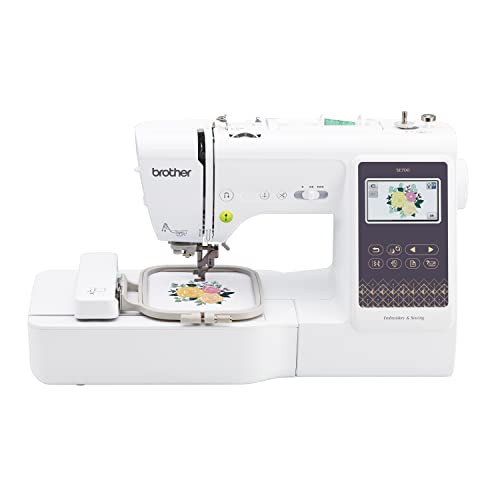
Embroidery has long been a beloved craft, transforming simple fabrics into exquisite pieces of art. With the rise of technology, the embroidery manual machine has become a staple for both hobbyists and professionals alike. These machines provide a perfect blend of traditional craftsmanship and modern efficiency, allowing users to create intricate designs with precision and ease. Whether you’re just starting or looking to upgrade your current setup, understanding the functionalities and features of embroidery manual machines can significantly enhance your sewing experience.
Table of Contents
- What is an Embroidery Manual Machine?
- Benefits of Using Manual Machines
- How to Use an Embroidery Manual Machine
- Maintenance and Care
- Choosing the Right Machine
- Popular Brands and Models
- FAQ
What is an Embroidery Manual Machine?
An embroidery manual machine is a sewing device designed specifically for creating embroidered designs on fabric. Unlike computerized embroidery machines that automate the process, manual machines require the operator to control the needle’s movement, allowing for a more hands-on approach. This type of machine is often favored by those who enjoy the process of embroidery and want to have complete control over their work. Typically, these machines come equipped with various features that enable users to customize their projects, including adjustable stitch lengths, tension controls, and various hoop sizes.
Benefits of Using Manual Machines
Choosing a manual embroidery machine comes with several advantages, especially for those who appreciate the intricacies of the craft.
Creative Control
One of the primary benefits of using a manual embroidery machine is the level of creative control it offers. You can easily manipulate the fabric and thread to achieve the desired design without being limited by pre-set patterns.
Cost-Effective
Manual machines tend to be more affordable than their computerized counterparts. For beginners or those who sew occasionally, this cost-effectiveness makes manual machines an attractive option.
Durability
Manual embroidery machines are often built to last, with fewer electronic components that can malfunction. This durability means you can enjoy years of crafting without needing frequent repairs or replacements.
How to Use an Embroidery Manual Machine
Operating a manual embroidery machine requires some practice, but with time, you’ll become proficient. Here’s a step-by-step guide to help you get started.
1. Set Up Your Machine
Begin by unpacking your machine and setting it on a sturdy table. Ensure you have all the necessary accessories, including embroidery hoops, threads, and needles.
2. Thread the Machine
Follow the manufacturer’s instructions to thread your machine correctly. This typically involves placing your spool of thread on the spool pin, threading it through the tension discs, and guiding it through the needle. Always double-check that the thread is secured properly.
3. Prepare Your Fabric
Choose the fabric you want to embroider on. It’s advisable to use a stabilizer to prevent the fabric from puckering during stitching. Secure your fabric within an embroidery hoop, ensuring it is taut.
4. Select Your Design
Before you begin stitching, decide on your design. You can create your own pattern or use a pre-existing one. Position your embroidery hoop under the needle and lower the presser foot.
5. Begin Stitching
Start sewing, guiding the fabric with your hands. Take your time to ensure precision, especially with intricate designs. Adjust the tension and stitch length as needed for optimal results.
6. Finishing Touches
Once you’ve completed your design, carefully remove the hoop and trim any excess threads. If you used a stabilizer, gently tear it away from the fabric.
Maintenance and Care
Regular maintenance is essential to keep your embroidery manual machine in top working condition. Here are some key maintenance tips:
1. Clean the Machine
Dust and lint can build up in your machine, affecting its performance. Regularly clean the bobbin case and feed dogs using a soft brush. Additionally, wipe down the exterior with a damp cloth.
2. Oil the Machine
Most manual machines require periodic oiling. Check your user manual for specific instructions on where and how to oil your machine.
3. Store Properly
When not in use, cover your machine to protect it from dust and debris. Store it in a cool, dry place, away from direct sunlight.
Choosing the Right Machine
Selecting the right embroidery manual machine can be overwhelming, given the variety of options available. Consider the following factors when making your decision:
1. Budget
Determine your budget before you start shopping. Manual machines can range from affordable to high-end models, so setting a budget can help narrow down your choices.
2. Features
Look for features that align with your sewing goals. Some machines come with built-in stitch patterns, adjustable stitch lengths, and various hoop sizes, which can enhance your embroidery experience.
3. Brand Reputation
Research reputable brands known for producing reliable embroidery machines. Customer reviews and recommendations can provide valuable insights into the machine’s performance and durability.
4. Support and Resources
Check if the manufacturer offers support, tutorials, or community resources. Access to help can be invaluable for beginners.
Popular Brands and Models
Several brands have established themselves as leaders in the embroidery machine market. Here are some popular options to consider:
| Brand | Model | Features | Price Range |
|---|---|---|---|
| Brother | SE600 | Combination sewing and embroidery, 80 built-in designs | $$ |
| Singer | Sewing Machine 9960 | 600 built-in stitches, automatic needle threader | $$ |
| Janome | Memory Craft 400E | Large embroidery area, 160 built-in designs | $$$ |
| Bernina | Bernette 70 | Stitch editor, 100 built-in designs, user-friendly | $$$$ |
Each of these models brings unique features to the table, catering to different skill levels and budget ranges. For example, the Brother SE600 is excellent for beginners due to its combination of sewing and embroidery functions, while the Janome Memory Craft 400E is perfect for serious embroiderers seeking a larger workspace.
FAQ
A: While most threads work well, it’s best to use embroidery thread designed specifically for machine use, as they offer the best results in terms of texture and durability.
A: Use a suitable stabilizer, ensure the fabric is taut in the hoop, and adjust the tension settings on your machine as needed.
A: Yes! Many manual embroidery machines allow you to create your own designs or modify existing patterns to fit your creative vision.
A: Regular cleaning after every few sewing sessions is ideal, while oiling should be done according to your machine’s manual, typically every few months.
In conclusion, an embroidery manual machine can be a fantastic addition to any sewing enthusiast’s toolkit. With their blend of creative control, cost-effectiveness, and durability, they provide a satisfying way to explore the art of embroidery. By choosing the right machine, understanding how to use it effectively, and committing to regular maintenance, you’ll be well on your way to creating stunning embroidered pieces. Whether you’re personalizing gifts, embellishing garments, or simply enjoying a relaxing hobby, the possibilities are endless with an embroidery manual machine.
For those looking to expand their skills and explore more about embroidery designs, consider checking out our article on Stitching Magic: Taylor Swift Embroidery Designs Review. Additionally, if you’re interested in upgrading your machine, take a look at our review on the Baby Lock Wonder. Lastly, for specialized projects like denim, check out our Top Picks: Best Embroidery Needles for Denim Projects and learn how to Transform Your Lab Coat with Stunning Embroidery!. Don’t forget to also read our Review: Viking Embroidery Machine for more options!