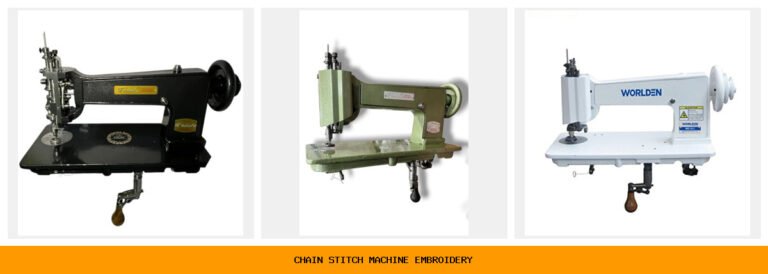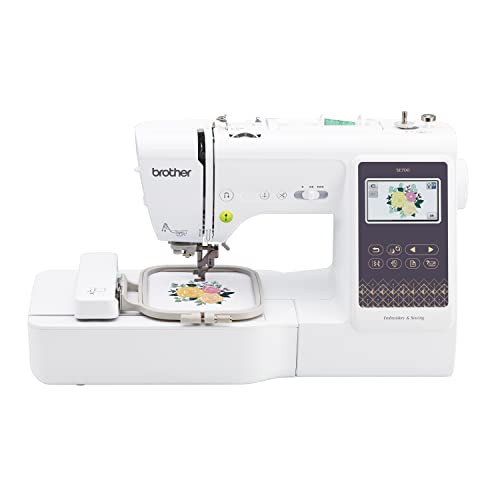
Embroidery machines have transformed the art of sewing, making it more accessible and efficient for both hobbyists and professionals. Whether you’re a seasoned embroiderer or a beginner exploring this exciting craft, understanding the various types of embroidery machines, their features, and how they can elevate your projects is essential. In this article, we will delve into everything you need to know about embroidery machines, from their basic functions to advanced features, tips for use, and maintenance advice.
Table of Contents
- Types of Embroidery Machines
- Features to Consider
- How to Use an Embroidery Machine
- Maintenance Tips for Your Embroidery Machine
- Common Embroidery Techniques
- FAQ
Types of Embroidery Machines
Embroidery machines come in various types, each catering to different needs and skill levels. Understanding these types can help you choose the right one for your projects.
1. Home Embroidery Machines
These machines are designed for hobbyists and those who need to create custom designs for personal use. They are user-friendly and often come with built-in patterns and designs.
2. Multi-Needle Embroidery Machines
Ideal for small businesses or serious enthusiasts, multi-needle machines allow for faster production as they can embroider multiple colors without needing to change threads manually.
3. Commercial Embroidery Machines
These machines are built for high-volume production and come with advanced features that allow for larger designs and faster stitching speeds. They are typically used in professional settings.
4. Combo Sewing and Embroidery Machines
For those who want the versatility to sew and embroider, combo machines offer both functionalities. They are perfect for crafters who want to experiment with various sewing techniques alongside embroidery.
Features to Consider
When selecting an embroidery machine, it’s crucial to understand the features that can enhance your experience and outcomes.
1. Stitch Quality
The stitch quality is paramount in embroidery. Look for machines that offer smooth, even stitches with minimal thread breakage.
2. Embroidery Area
The size of the embroidery area determines the maximum size of your designs. Larger areas allow for more complex designs, so choose according to your project needs.
3. Built-in Designs and Fonts
Many machines come with a range of built-in designs and fonts, which can save you time and allow for easy customization. Check for machines with a good selection of designs.
4. Compatibility with Software
Some embroidery machines can connect with software for design customization. This feature is beneficial for those wanting to create unique patterns or modify existing ones.
5. User Interface
A user-friendly interface is essential, especially for beginners. Touchscreen controls and intuitive navigation can make your experience much smoother.
How to Use an Embroidery Machine
Using an embroidery machine may seem daunting at first, but with practice, you’ll find it quite manageable. Here’s a step-by-step guide to get you started.
1. Setup and Preparation
Begin by unboxing your machine and setting it up according to the manufacturer’s instructions. Ensure you have all necessary supplies, including fabric, stabilizers, and threads.
2. Selecting a Design
Choose a design you wish to embroider. You can use built-in designs or upload your own if your machine supports it.
3. Hooping Your Fabric
Properly hoop your fabric and stabilizer to ensure the design stitches evenly. Make sure the fabric is taut but not stretched.
4. Threading the Machine
Follow the threading instructions to load the top and bobbin thread correctly. Pay attention to the tension settings to avoid stitching issues.
5. Starting the Embroidery
Once everything is set, select your design on the machine and start the embroidery process. Monitor the process to ensure everything runs smoothly.
Maintenance Tips for Your Embroidery Machine
Regular maintenance is crucial for the longevity and performance of your embroidery machine. Here are some essential tips to keep your machine in top shape.
1. Cleaning
Regularly clean the machine, including the bobbin case, needle plate, and feed dogs. Dust and lint can accumulate and affect performance.
2. Oiling
Check the manufacturer’s instructions for oiling your machine. Proper lubrication keeps moving parts functioning smoothly.
3. Needle Replacement
Change the needle regularly, especially if you notice skipped stitches or thread breakage. Using the correct needle type for your fabric is also essential.
4. Software Updates
If your embroidery machine has software, keep it updated to ensure optimal performance and access to new designs and features.
Common Embroidery Techniques
Embroidery machines can execute a variety of techniques, each offering a unique look and feel to your projects. Here are some popular methods:
1. Free-Motion Embroidery
This technique allows you to move the fabric freely under the needle, giving you complete control over the design. It’s great for adding personal touches or intricate designs.
2. Appliqué
Appliqué involves sewing a piece of fabric onto a larger piece to create a design. This technique is popular for quilts and decorative items.
3. Monogramming
Adding initials or names to items is a classic embroidery technique. Many machines come with built-in fonts specifically for monogramming.
4. 3D Puff Embroidery
This technique uses foam to create a three-dimensional effect. It’s commonly used for logos and adds a striking visual element to embroidered items.
5. Digitizing
Digitizing is the process of converting artwork into a format that an embroidery machine can read. Many machines come with this capability, allowing for custom designs.
FAQ
A: For beginners, a user-friendly home embroidery machine with built-in designs and a simple interface is ideal. Consider models like the Brother Innov-is series.
A: Regular cleaning after every project and oiling as recommended by the manufacturer will help maintain your machine’s performance.
A: Most fabrics can be used, but some may require specific stabilizers or needle types. Always check recommendations for the best results.
A: It can be complex, but many software programs offer user-friendly interfaces to help you get started. Practice is key.
A: High-quality embroidery threads, such as polyester or rayon, are recommended for vibrant colors and durability.
In conclusion, investing in an embroidery machine can open up a world of creative possibilities. Whether you’re looking to embellish garments, create custom gifts, or start a small business, the right machine can make all the difference. Remember to consider the type of machine that fits your needs, familiarize yourself with its features, and maintain it properly for the best results. As you explore different techniques and designs, you’ll find that embroidery is not just a craft, but a fulfilling creative outlet. Happy stitching!